
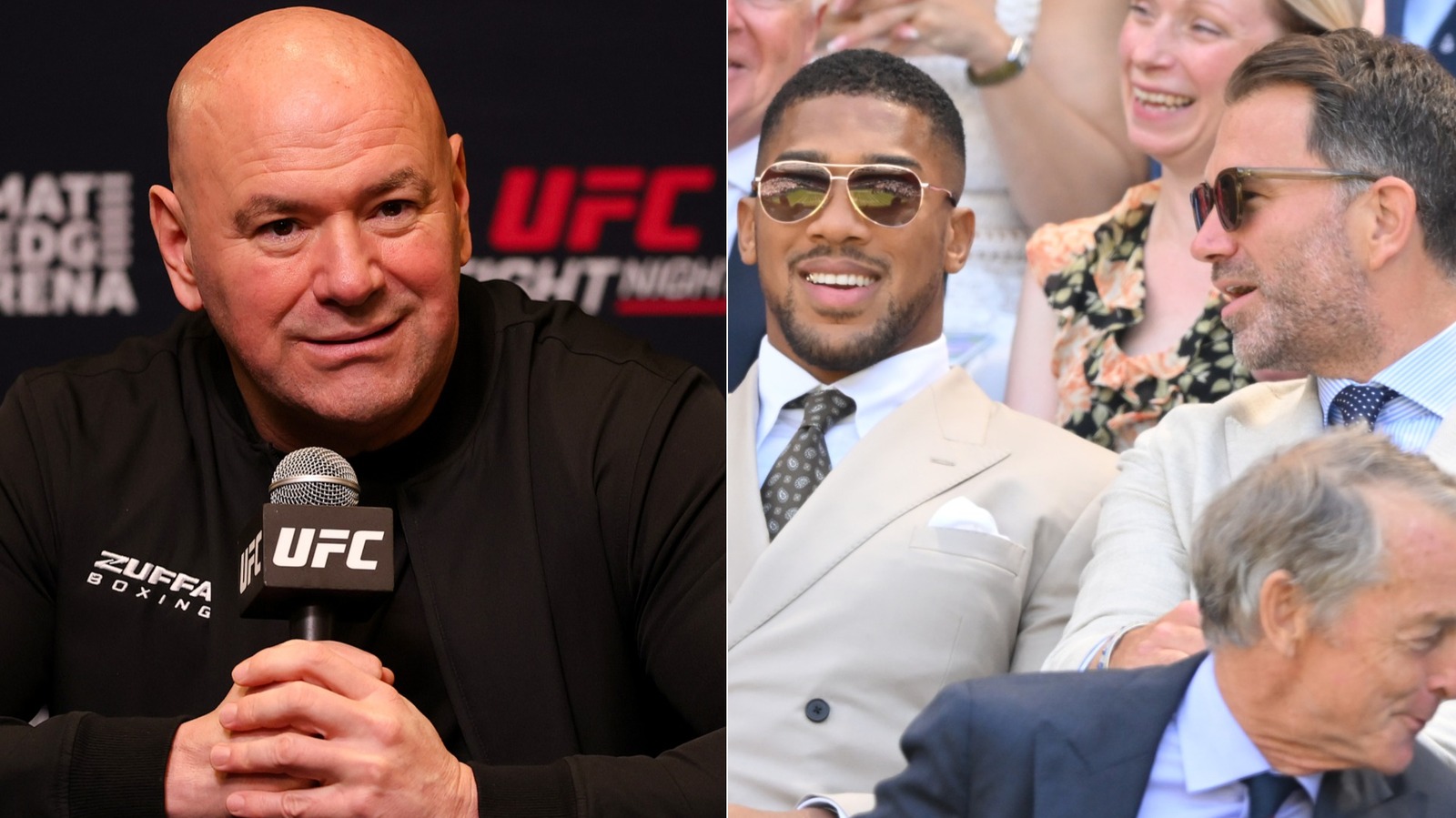
The blurring lines of combat representation
Eddie Hearn has never been one to shy away from a confrontation, but his recent moves suggest an expansion into territory long governed by Dana White. By bringing Tom Aspinall under the Matchroom Talent Agency umbrella, Hearn has effectively breached the walls of the UFC locker room. This isn't just about managing a heavyweight; it is a calculated challenge to the structure of fighter contracts.
Hearn recently described UFC contracts as frightening, a direct critique of the industry standards White has enforced for decades. While professional boxing operates on a system of independent promotion and multi-party negotiation, the UFC functions as an closed loop. Inserting an outside agency like Matchroom into this machine creates a friction point that could define the next stage of fighter leverage.
The Anthony Joshua recruitment attempt
The tension between these two heavyweights of the industry escalated when White reportedly attempted to poach Anthony Joshua from Matchroom. According to Hearn, this outreach was not a simple inquiry but a significant effort to shift the former boxing champion toward an MMA transition or a unique cross-code promotional agreement. That attempt failed, but it exposed a clear strategy from White: acquire the most recognizable faces in combat sports, regardless of their background.
Attempting to sign a boxer of Joshua’s profile would have been a massive departure from traditional UFC booking. It also suggests that White sees the void in the heavyweight boxing market as an opportunity. If the UFC feels compelled to look outward for talent, it proves that internal development might not be moving fast enough to maintain the brand as the sole apex predator of live fighting events.
Why Aspinall is the ultimate test case
Tom Aspinall represents a unique opportunity for both parties. He is a technical marvel with the kind of finishing ability that makes him an instant pay-per-view draw. By aligning with Hearn, Aspinall is likely seeking to bridge the gap between his current UFC standing and the larger commercial avenues usually reserved for boxing stars. If his next contract renewal involves Hearn’s agency, we are looking at an unprecedented shift in power.
However, the risks are high. The UFC has rarely played nice with outside representation that attempts to negotiate beyond appearance fees or established tiers. Aspinall is essentially betting that he has enough leverage to rewrite his terms while under the UFC banner. If the relationship with Matchroom forces a standoff, Aspinall could find himself sidelined or booked into dangerous matchups meant to test his loyalty to the promotion over his representation.
Probability and projected outcome
The probability of this relationship yielding a major contract rewrite is low. The UFC is notorious for successfully isolating fighters who attempt to bring outside legal or promotional pressure into their negotiations. We have seen this play out with high-profile athletes across several recent reports on fighter contracts. The UFC’s machine is built to absorb these individual conflicts, not to change its core financial model.
Regardless of contract success, the impact is already felt in the boardroom. Hearn is publicly vocalizing the discrepancies in pay and transparency, which is a headache for White. The promotion recently had to adjust its schedules to accommodate political requests, as noted in the White House card additions, showing the promotion is already stretched thin managing external interests. Adding a combative promoter like Hearn to the mix will only accelerate the public scrutiny of how these fighters are treated.
Expect Aspinall to continue his rise inside the octagon, but anticipate a quiet exit from the Hearn partnership if the UFC demands an exclusivity clause during his next negotiation period. True, the prospect of an Aspinall-Joshua crossover marketing blitz is exciting, but it remains a secondary concern to his standing in the title picture. If this experiment fails, it will likely be because the UFC’s iron grip on its roster proved too tight to break.


