The Anatomy of Survival
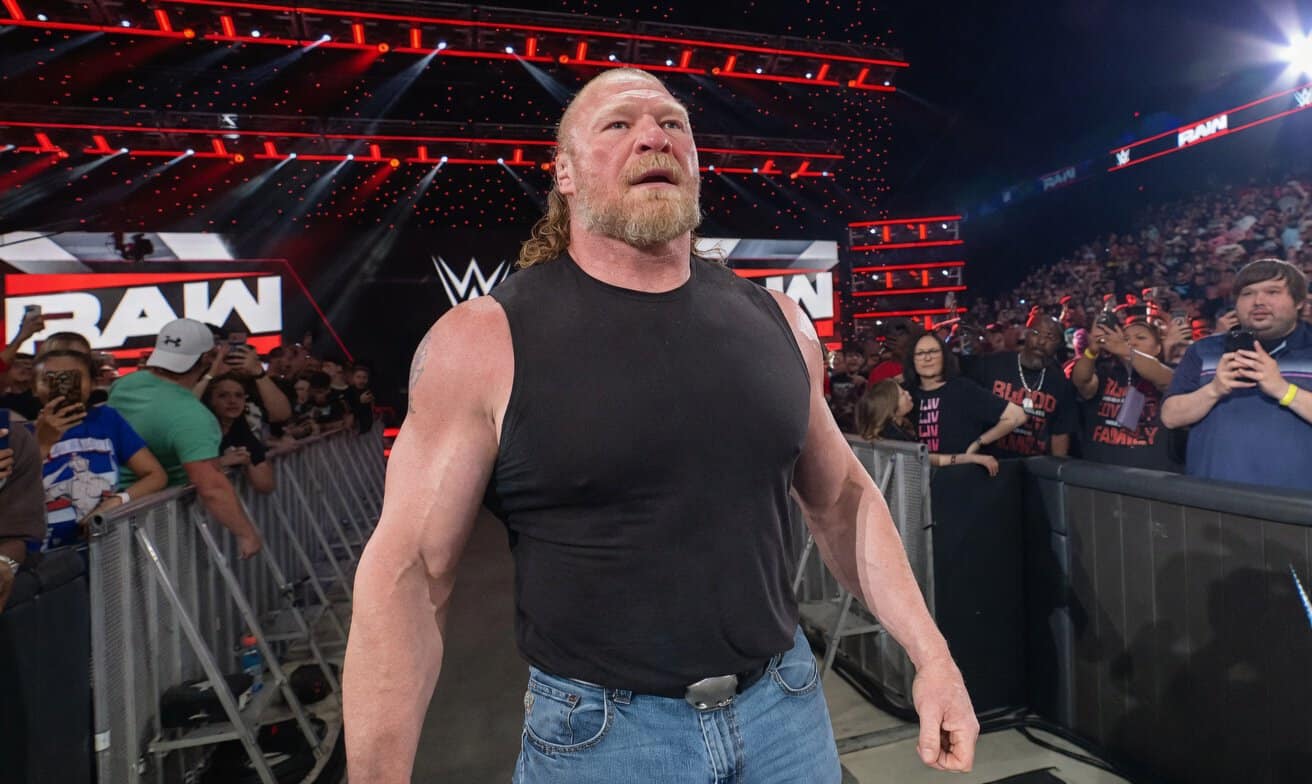
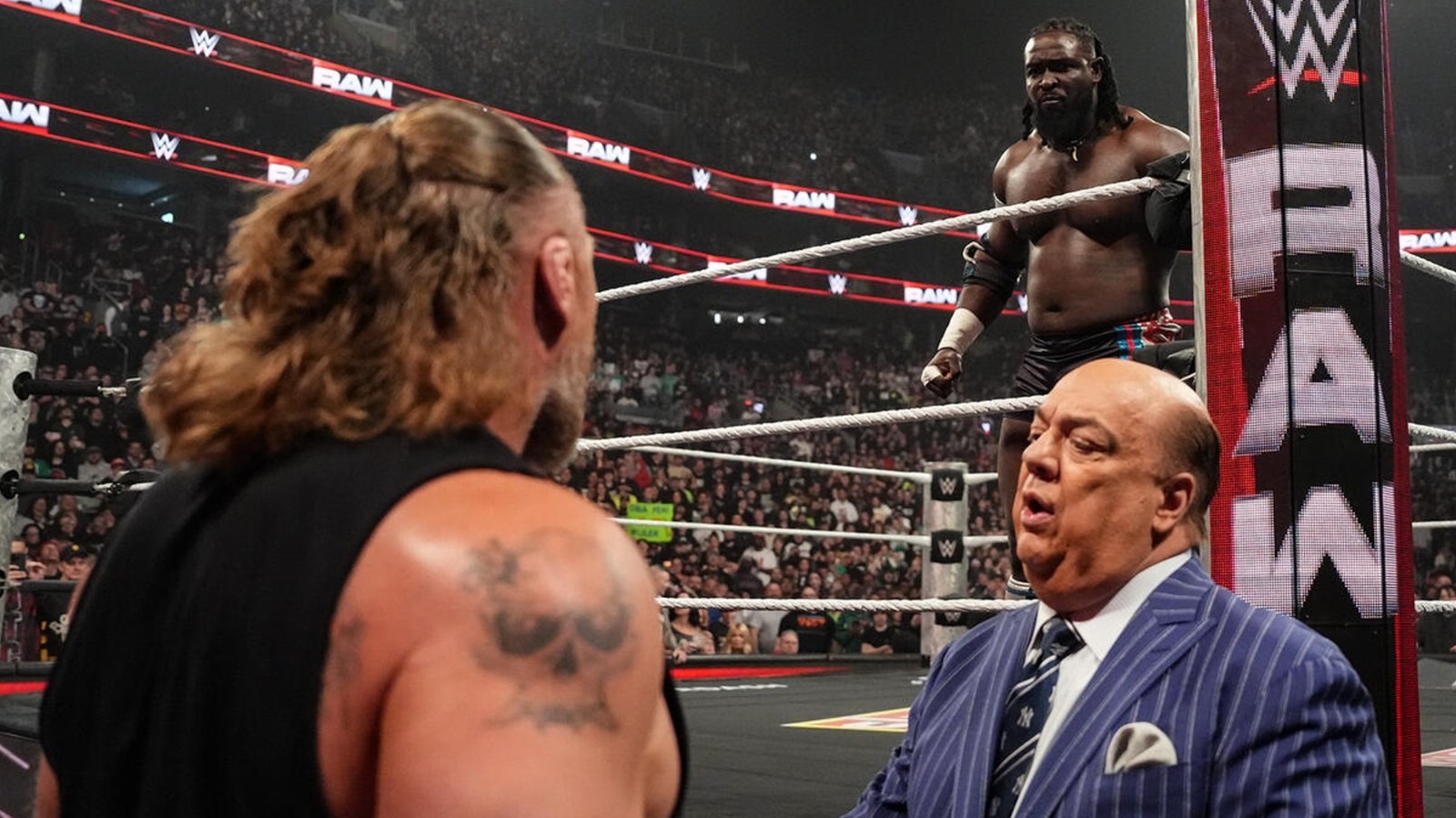
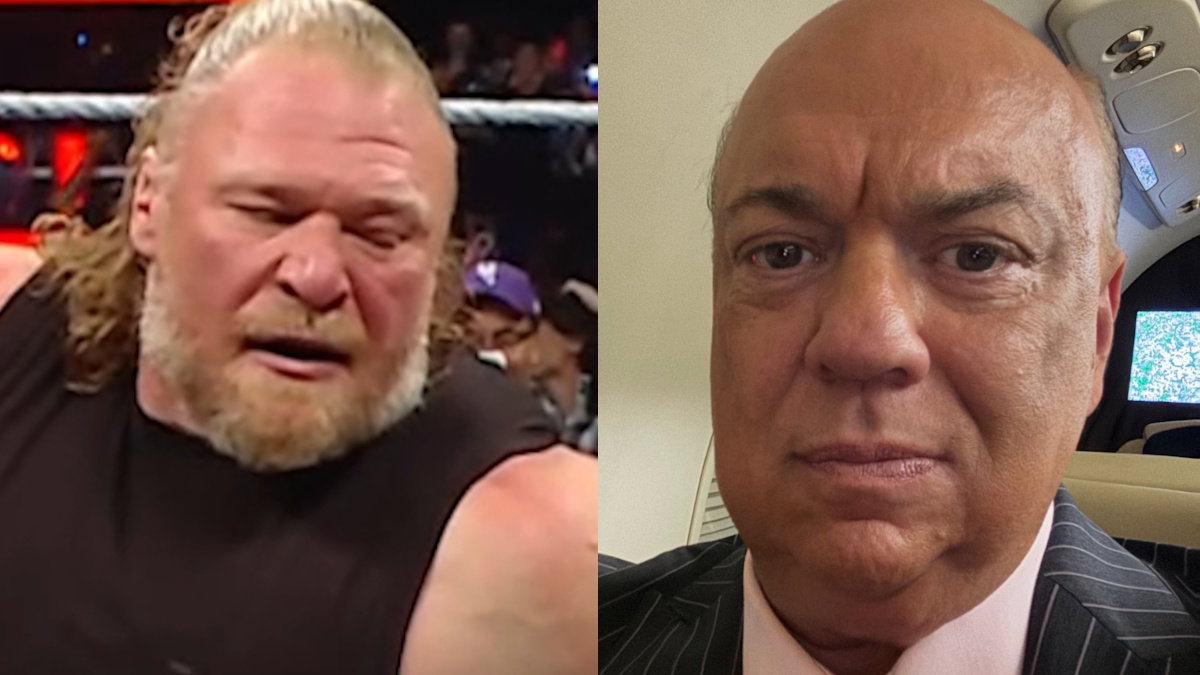
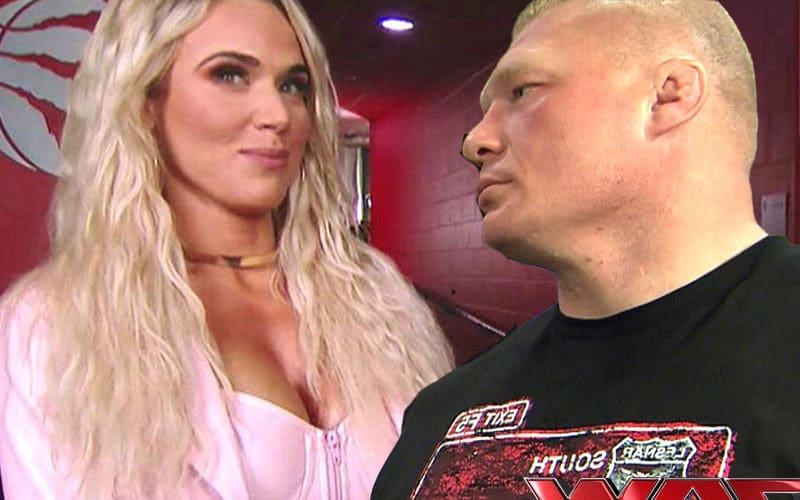
CJ Perry recently peeled back the curtain on Brock Lesnar. Speaking on a podcast story picked up by Ringside News, she detailed a backstage interaction that highlighted his hidden wrestling IQ. Fans see a walking meat-freezer tossing humans around like lawn darts. The medical reality is far more clinical.
For a sports medicine observer, Perry’s anecdote is the missing piece of a two-decade puzzle. You do not survive 25 years in professional wrestling and mixed martial arts on brute strength alone. Human joints have a finite shelf life. Cartilage shreds under pressure. Lesnar’s longevity is the direct result of a highly protective approach to his own biomechanics.
We are currently tracking Lesnar’s medical profile as a masterclass in occupational survival. While he is not currently sidelined with an acute injury, understanding his physical status requires looking at his medical history. He fundamentally altered his ring style to avoid ending up in a wheelchair.
The Catalyst for Change
Go back to WrestleMania 19. Lesnar attempted a Shooting Star Press against Kurt Angle. He slipped on the top rope. He rotated short and landed directly on the crown of his head. From a kinesiology standpoint, this was a catastrophic axial load on the cervical spine.
The impact severely compressed his neck. He avoided fracturing his C4 or C5 vertebrae by millimeters. A fracture there often results in permanent paralysis, completely severing the spinal cord. Instead, he sustained a severe concussion and extreme soft-tissue damage. That single moment flipped a switch in his brain.
His wrestling IQ evolved out of absolute necessity. He grounded his moveset immediately following his return. He built a routine around power moves that minimized his own fall risks. Taking flat-back bumps turns spinal discs into dust. Lesnar made a very simple calculation: it is infinitely better for your health to deliver the damage than to absorb it.
Surviving a Surgical Nightmare
His greatest medical crisis occurred miles away from a wrestling ring. During his UFC heavyweight championship run, Lesnar developed severe diverticulitis. This is not a minor stomach ache. It is a severe inflammation and infection of pouches in the intestinal wall. It nearly ended his life.
Fecal matter was actively leaking into his abdominal cavity. He developed severe sepsis, a life-threatening response to infection that can lead to rapid tissue damage and organ failure. Surgeons had to remove 12 inches of his colon just to stabilize him.
For context, the colon absorbs water and nutrients, maintaining systemic hydration and electrolyte balance. Removing a foot of this organ completely disrupts how the body processes fuel. Lesnar had to relearn how to hydrate and feed himself to maintain a heavyweight physique without triggering further intestinal inflammation.
Most athletes never return to elite competition after a bowel resection of this severity. Abdominal surgery of that magnitude destroys an athlete's core strength. The abdominal wall fascia is cut open and reconstructed, severing essential muscle connections. When Lesnar eventually returned to WWE, his body was fundamentally different.
His core stability had to be completely rebuilt from scratch. His in-ring IQ had to adapt again. This adaptation birthed the heavily criticized but medically brilliant "Suplex City" era. The German Suplex looks devastating on television. Biomechanically, it is a highly controlled, repetitive movement that protects Lesnar's surgically repaired core.
He drives through his hips and glutes. He uses his posterior chain to generate explosive power. This keeps the strain off his lower back and shoulders. By relying on this repetitive offensive style, Lesnar hacked the professional wrestling system.
The Cost to Opponents
He figured out how to deliver massive visual impact while taking almost zero bumps himself. He controls the pace. He dictates the physical toll on his own joints. He is generally considered safe to work with by his peers.
He controls the descent of his opponents during those suplexes. He ensures they land flat on their upper backs. Landing on the neck or head is how careers end. Lesnar’s raw 280-pound strength allows him to place opponents safely on the mat.
But we have to look at the blind spots. This massive wrestling IQ has not always translated to perfect safety for his opponents. We cannot ignore the main event of SummerSlam 2016. Lesnar won via TKO over Randy Orton.
The finish involved legitimate, unworked elbow strikes directly to the frontal bone of Orton's head. Lesnar intentionally opened a massive gash on Orton's forehead to create a dramatic stoppage. It required 10 staples to close the wound.
We have to analyze the biomechanical forces at play during that sequence. A human elbow is essentially a dense club of bone driven by the triceps and shoulder girdle. When Lesnar dropped those elbows from a mounted position, he generated hundreds of pounds of localized force. The human skull is designed to withstand glancing blows, but direct, downward strikes create severe shearing forces on the brain.
This type of trauma often results in contrecoup brain injuries, where the brain rebounds and strikes the opposite side of the skull. Orton’s immediate glazed expression in the ring indicated a traumatic brain response. He ultimately suffered a documented concussion.
That was not a high-IQ wrestling sequence. It was a reckless, unnecessary spot that easily could have caused a blowout orbital fracture or a shattered cheekbone. Sometimes, Lesnar prioritizes visual spectacle over opponent safety. That remains the darkest mark on his medical safety record.
Preservation Over Pride
Compare Lesnar's current physical state to other super-heavyweights. The Undertaker required double hip replacement surgery. Kane dealt with chronic knee issues. Big Show needed a total hip resurfacing. These men broke down because of the grueling schedule and the massive weight they carried.
Lesnar avoided this fate through strict schedule management. He works a heavily reduced calendar. Working 15 matches a year instead of 150 gives his joints time to heal. The human body cannot recover from weekly trauma without massive pharmaceutical intervention.
Travel is another silent killer in this industry. Sitting in cramped airplane seats or driving 300 miles a night causes deep vein thrombosis and chronic stiffness. Lesnar flies private. He dictates his routing. This heavily reduces the occupational hazards that destroy the backs and knees of full-time talent.
His training protocols shifted heavily in his later years. He transitioned away from heavy, max-out powerlifting. He now focuses on functional strength, mobility work, and heavy labor on his farm. Pushing raw iron in a gym looks great for magazines, but it inevitably tears rotator cuffs, degrades shoulder labrums, and destroys the lumbar spine.
This shift in training philosophy is heavily backed by modern sports science. Traditional weightlifting isolates muscle groups, creating imbalances and tightening ligaments. Farm labor engages the entire kinetic chain. This compound movement mimics the chaotic forces of a wrestling match much better than a static bench press. It bulletproofs the joints rather than wearing them down.
Inflammation management is the final piece of his longevity puzzle. Chronic inflammation destroys careers. By limiting his bumps, Lesnar keeps his baseline inflammation low. When he steps into the ring, his body isn't fighting through a backlog of micro-tears and joint swelling. He arrives fresh, executes a mechanically sound game plan, and leaves.
The Final Verdict
CJ Perry's backstage anecdote fits this medical profile perfectly. A man who micro-manages his physical output is naturally calculating behind the scenes. He views his body as a depreciating asset. He optimizes every movement to slow down that depreciation.
Every bump Lesnar takes now is a calculated risk weighed against financial reward. Early in his career, he took risks that nearly ended his ability to walk. Today, every motion is surgically precise. He does exactly what is required to clear a seven-figure check and immediately drives to the airport.
As the wrestling industry heads into its busiest season, with WrestleMania 41 kicking off on April 19, Lesnar's medical and contract status remains a constant topic among fans. If he does return to action for a major stadium show, you can guarantee one thing.
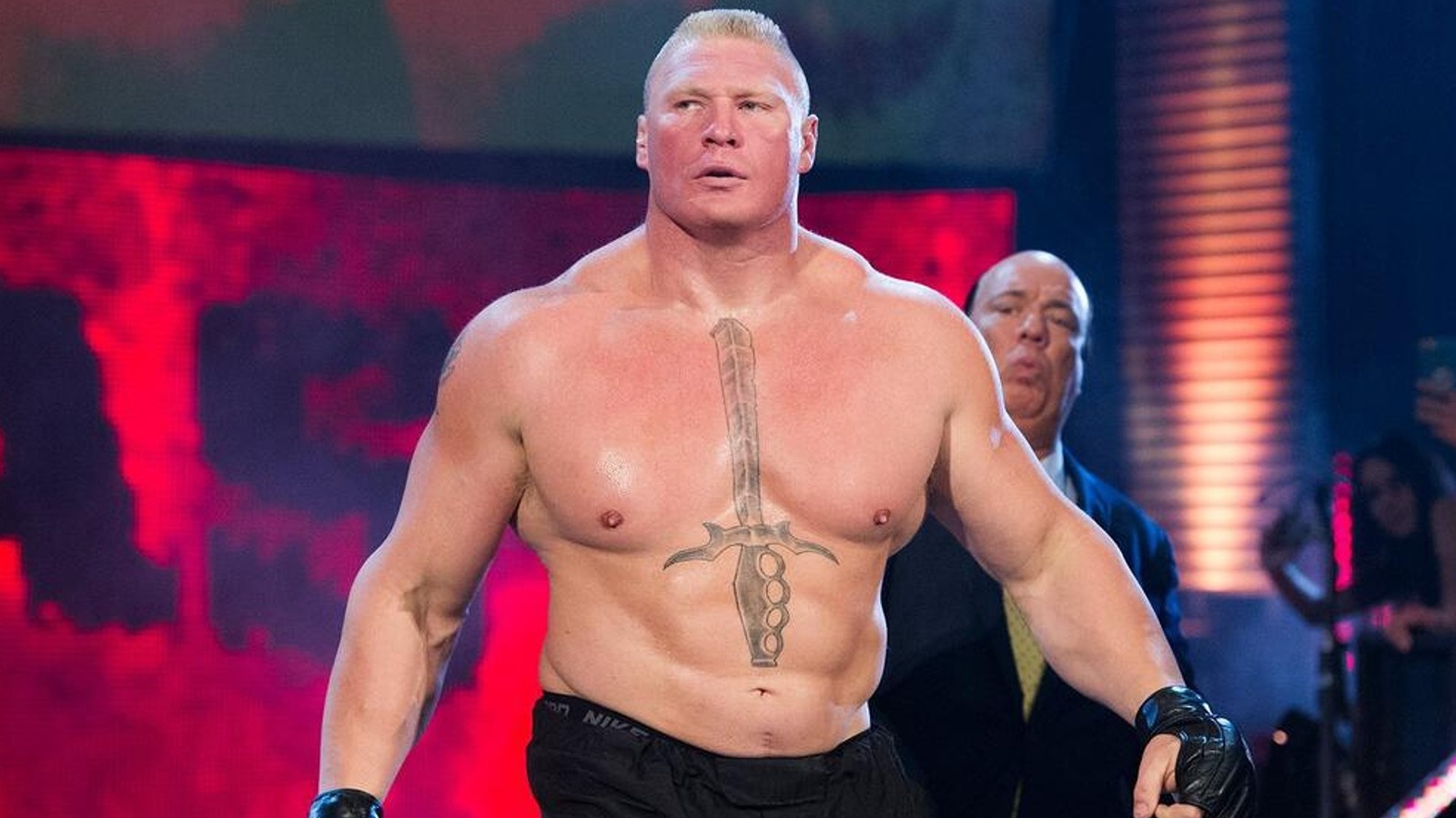
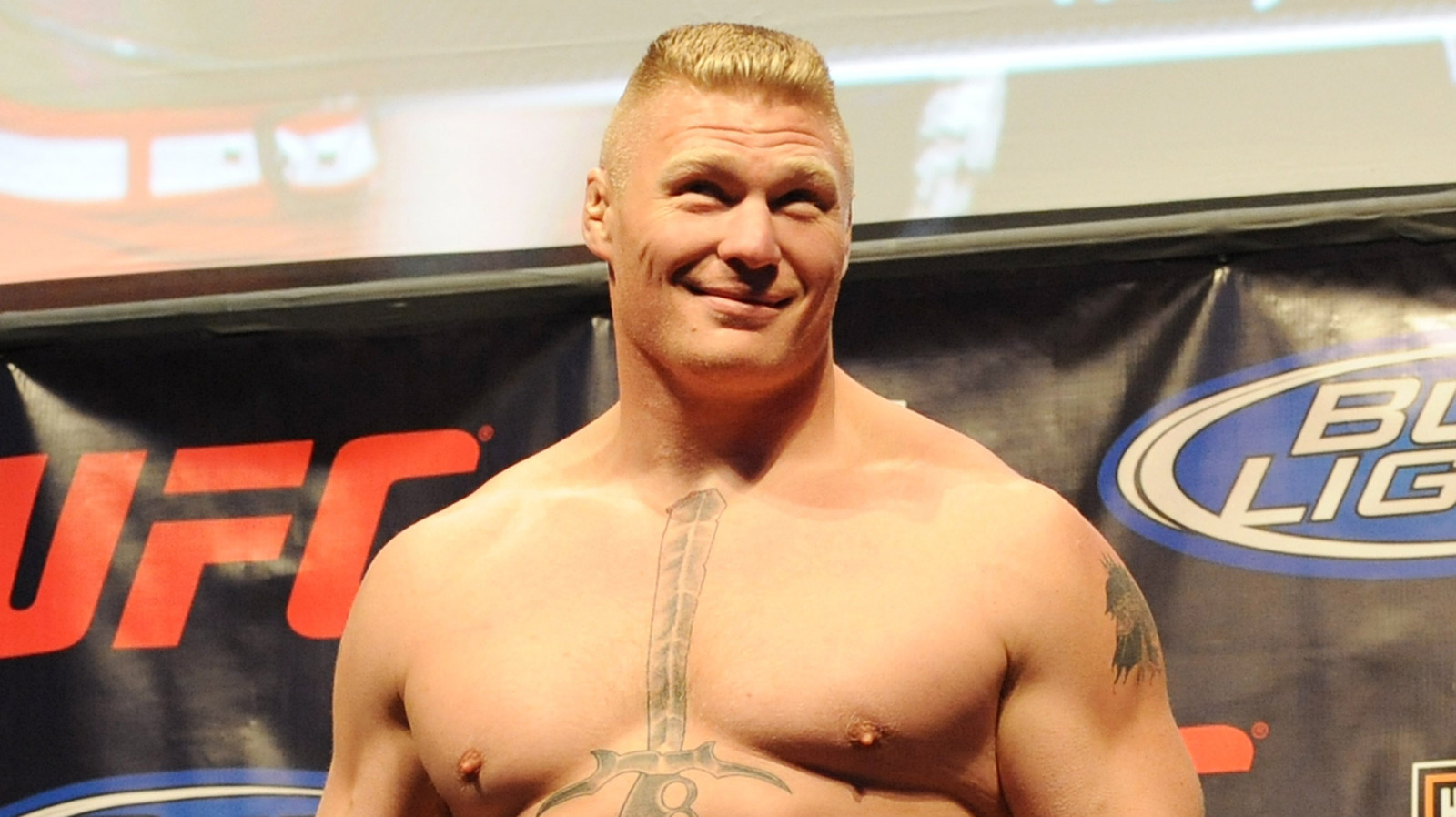
He will dictate the exact physical terms of the match. The image of the mindless beast is a brilliant marketing facade. Underneath the massive traps and the chest tattoo is a clinical tactician. From a sports medicine perspective, Perry is absolutely right. That hidden ring IQ is the only reason Brock Lesnar is still standing.