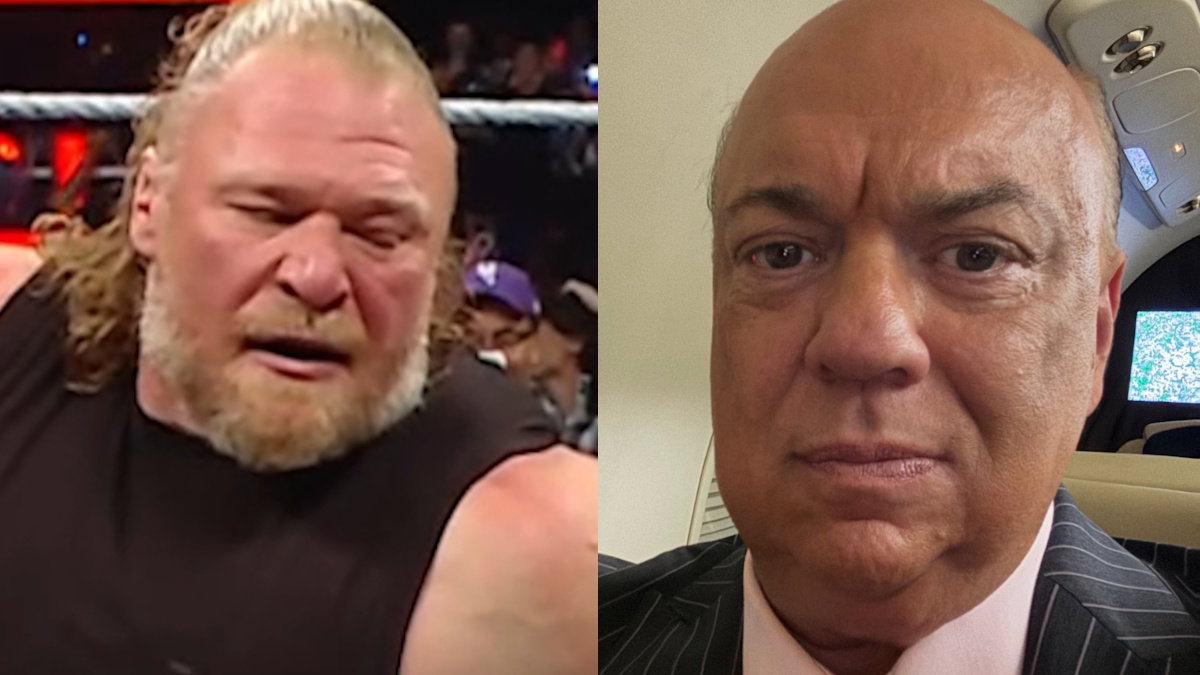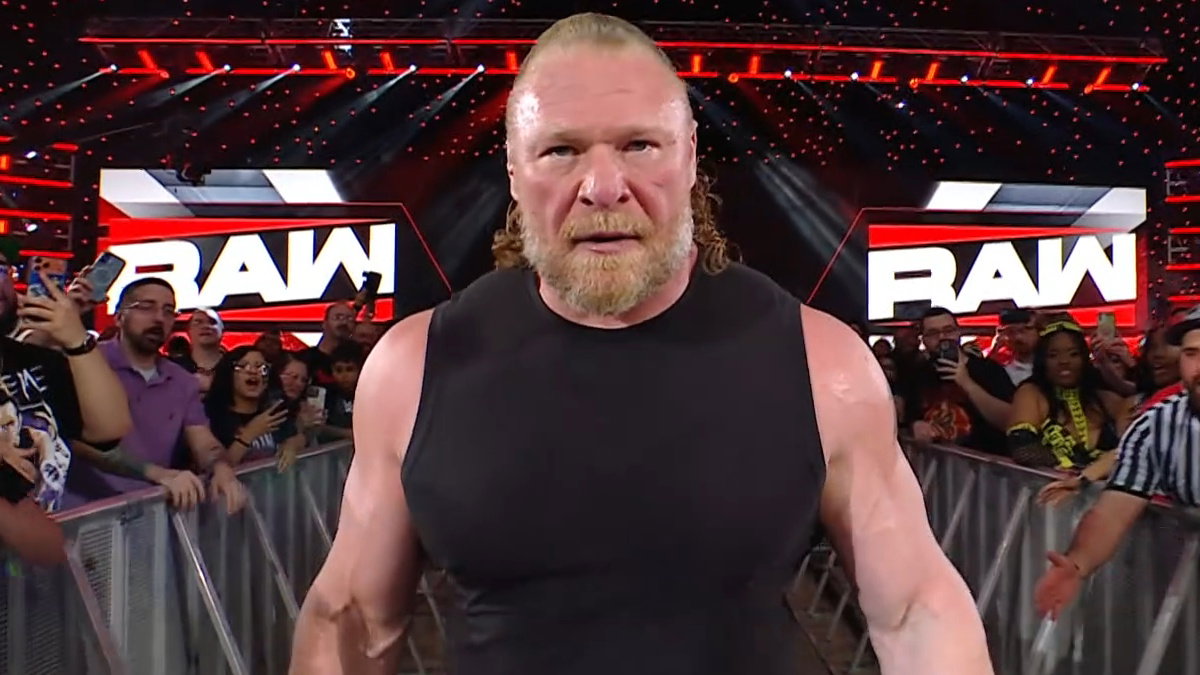
Brock Lesnar is back, and the WWE medical team is working through their lunch break today. Monday night in Greensboro, the May 18 episode of Raw took a violent turn.
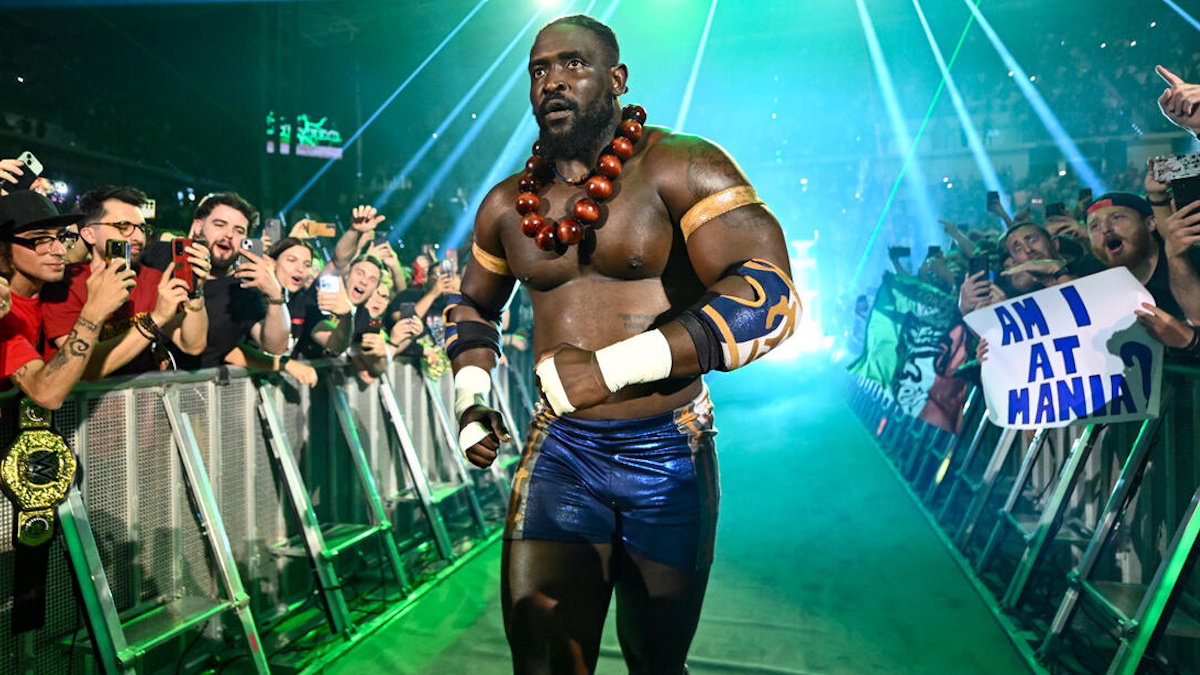
Oba Femi, a man built like a bank vault, was systematically dismantled. It wasn't just a beatdown. It was an anatomical stress test.
We haven't seen Lesnar since his last major appearance, and he clearly spent his downtime lifting farm equipment. He marched to the ring and targeted a superstar who usually does the bullying.
When a 280-pound freak athlete decides to throw another 280-pound athlete around the ring, physics takes over.
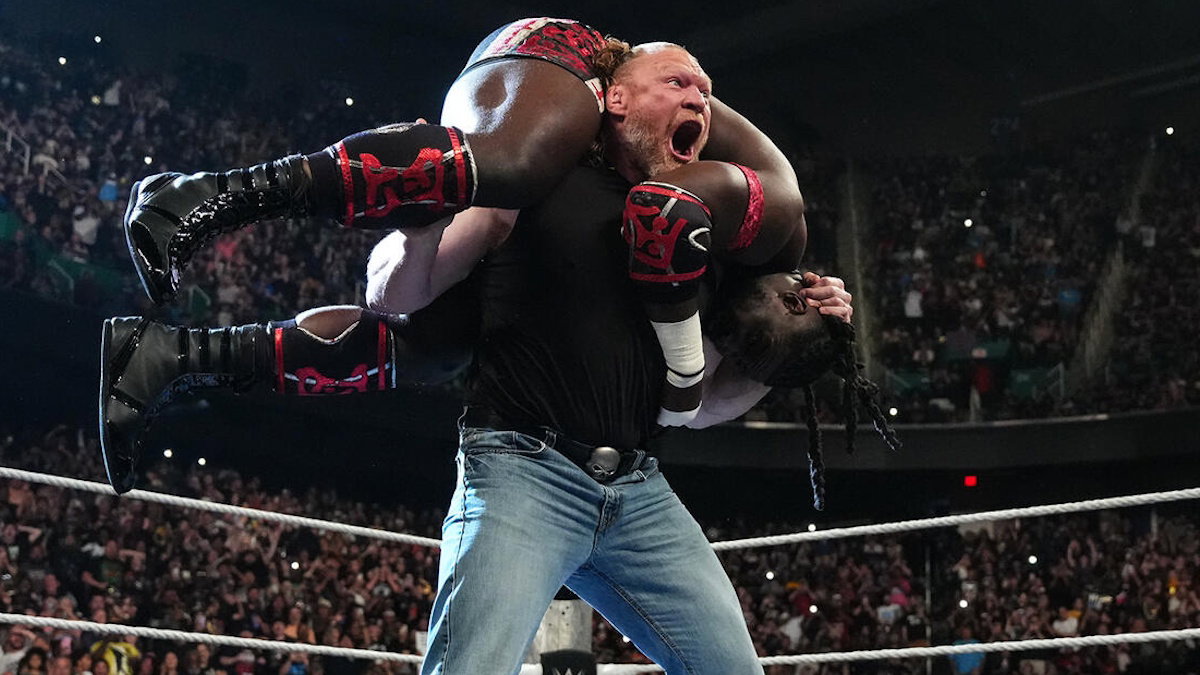
Let's look at the sheer kinetic energy involved. Elevating a man of Femi's size requires massive torque. When Lesnar delivers a German suplex, he doesn't gently guide his opponent to the mat.
He releases them at the apex of the arc. The recipient takes the impact on the upper thoracic spine. Femi took several.
The Biomechanics of a Mauling
When a human body weighing nearly 300 pounds crashes onto the mat from a height of six feet, the ringside floor doesn't absorb all the shock. The wrestler's skeleton does.
The cervical spine is under immense threat during these high-angle throws. You could see Femi instinctively tucking his chin, a basic survival mechanism drilled into every performer. But repetition breeds failure.
By the third or fourth suplex, the neck muscles fatigue. The sternocleidomastoid and the scalene muscles can only brace against that much G-force so many times before micro-tears occur.
We saw Femi's head whip back dangerously on the final throw. That is the exact mechanism for a Grade 2 concussion. The brain sloshes against the inside of the skull, leading to immediate disorientation and delayed swelling.
Then came the F-5. The F-5 is a rotational nightmare for the victim's joints. Lesnar hoists the opponent onto his shoulders, putting pressure on the AC joint and the clavicle.
The spin disorients the inner ear. The landing is often the worst part. Femi came down hard on his side. The knee, specifically the MCL, is highly vulnerable if the leg catches the mat awkwardly during the rotation.
We also have to talk about the ribs. Landing laterally on the stiff canvas forces the rib cage to compress violently. Intercostal cartilage tears are notoriously painful.
They don't require surgery, but they make breathing agonizing. Taking a bump with torn intercostals is completely out of the question.
Historical Trauma Patterns
History tells us exactly what happens when Lesnar goes off script or dials up the intensity. Look back at SummerSlam 2016. Randy Orton took a series of hard elbows to the cranium.
The result was a legitimate concussion and a pool of blood that required ten staples to close. Lesnar operates in a different gear, and the margin for error is razor-thin.
Think about John Cena at Extreme Rules in 2012. Lesnar busted Cena open in the opening seconds. He targeted the shoulder and the neck, leading to legitimate soft tissue damage.
We saw Lesnar break the Undertaker's orbital bone. We saw him shatter Triple H's arm.
Lesnar doesn't do light work. When he steps between the ropes, the risk of collateral damage skyrockets. Femi is a younger, perhaps more resilient athlete than a late-career Cena or Orton.
But youth doesn't make your ligaments immune to tearing. The sheer mass of Oba Femi actually works against him here. The heavier the object, the harder the fall. When you drop a man of Femi's density, gravity is unforgiving.
Where Was the Medical Staff?
Here is where we have to ask a serious question about WWE's ringside protocol. The referee watched three consecutive overhead throws before moving toward Lesnar.
The ringside physician stayed firmly planted near the timekeeper's area. This is a recurring failure in safety management.
When an unprovoked attack occurs, especially involving a known commodity like Lesnar, the response time needs to be faster. We are in an era where head trauma is taken seriously across all sports.
Yet, professional wrestling still allows the "let it play out" mentality to override immediate medical intervention. Femi was clearly unresponsive after the F-5.
The medical staff eventually checked on him after Lesnar marched up the ramp. But those precious seconds matter.
If Femi had swallowed his tongue or suffered a severe cervical fracture, a slow walk from the doctor is unacceptable negligence. The company loves to tout its concussion protocols, but the visual of a helpless wrestler taking repeated head-and-neck trauma makes those claims look hollow.
The Expected Protocol and Rehab
So, what is happening today, Tuesday morning? Femi is undoubtedly undergoing a battery of tests. The first priority is a CT scan of the head and neck.
They need to rule out any fractures in the cervical vertebrae. Even a hairline fracture in the C4 or C5 region would mean a minimum of three months in a neck brace.
Assuming the bones are intact, the focus shifts to the soft tissue. An MRI will check the integrity of the rotator cuffs, the knee ligaments, and the intercostal cartilage.
Femi was clutching his ribs as the show went off the air. That could be selling, or it could be a localized response to a cracked rib.
If Femi is dealing with torn intercostals, the rehab process is agonizingly slow. You can't put a cast on a rib cage. You can't surgically repair bruised cartilage.
The only prescription is rest, which is the hardest thing for a professional wrestler to do. Femi will likely be confined to light cardio for at least three weeks.
Then comes the ImPACT testing. WWE mandates baseline cognitive tests for all performers. Femi will have to take this test today.
If his reaction times are slower than his baseline, or if he reports photophobia and nausea, he enters the concussion protocol. There is no set timeline for a concussion. It takes as long as it takes.
The Timeline and Strategic Fallout
If we are looking at purely muscular damage and bone bruising, Femi could be sidelined for three to six weeks. A cracked rib pushes that timeline to eight weeks.
A Grade 2 concussion makes any return date a total guess. He could be back in a month, or he could be dealing with post-concussion syndrome through the summer.
This attack derails Femi's immediate trajectory. He was building immense momentum, running through smaller opponents. Now, he is just another guy who got steamrolled by Lesnar.
From a booking standpoint, this is a questionable decision. You spend months building a monster, only to feed him to a part-time veteran on a random Monday night.
The roster is thin on legitimate heavyweights. Femi was supposed to be the anchor for the next generation of big men.
Now, he's undergoing MRI scans while Lesnar likely flew home before the arena even emptied out. It highlights a glaring double standard in how physical safety is managed.
Femi's aura took a hit. His body took a massive beating.
The medical staff has their hands full, and the creative team has to figure out how to salvage Femi's reputation once his bones stop aching.
Brock Lesnar always leaves a mark. This time, Oba Femi is the one paying the physical and professional price. The coming days will reveal exactly how steep that price is.