It is Friday, March 27, 2026. We are exactly 23 days away from WrestleMania 41 at Allegiant Stadium in Las Vegas.
The card is absolutely stacked. The storylines are moving at a hundred miles an hour. Yet, whenever you get a group of wrestling fans in a room, the conversation inevitably drifts back to the ghosts of the past.
One ghost in particular happens to be a 280-pound farm boy from South Dakota who treats human beings like frisbees.
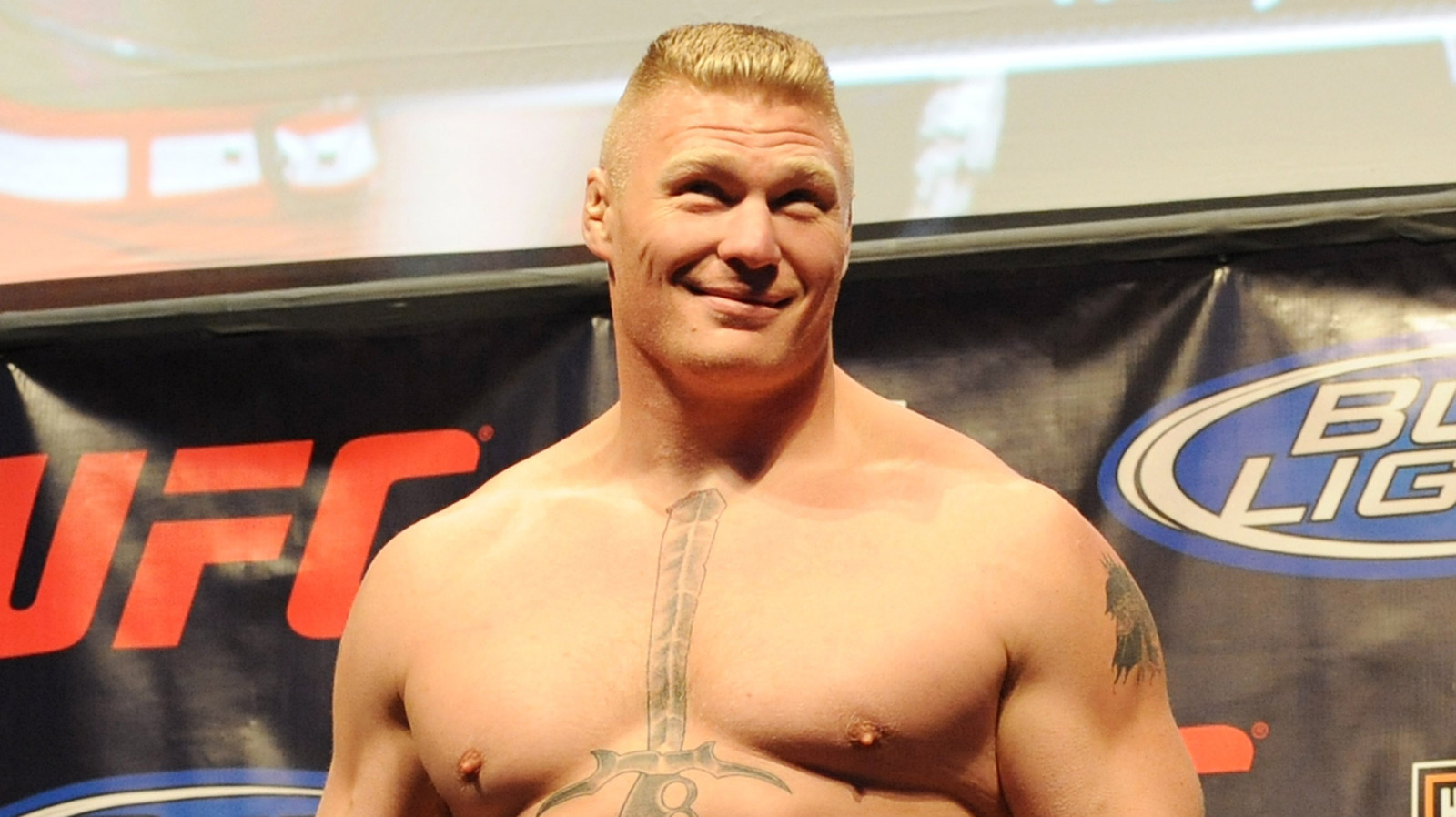
Brock Lesnar is the ultimate anomaly in combat sports. We spend so much time marveling at his freakish physical attributes that we completely ignore his brain. The man is a savant. He is a carny genius operating on a level that makes standard wrestling promoters look like amateurs.
The Physical Cost of Doing Business
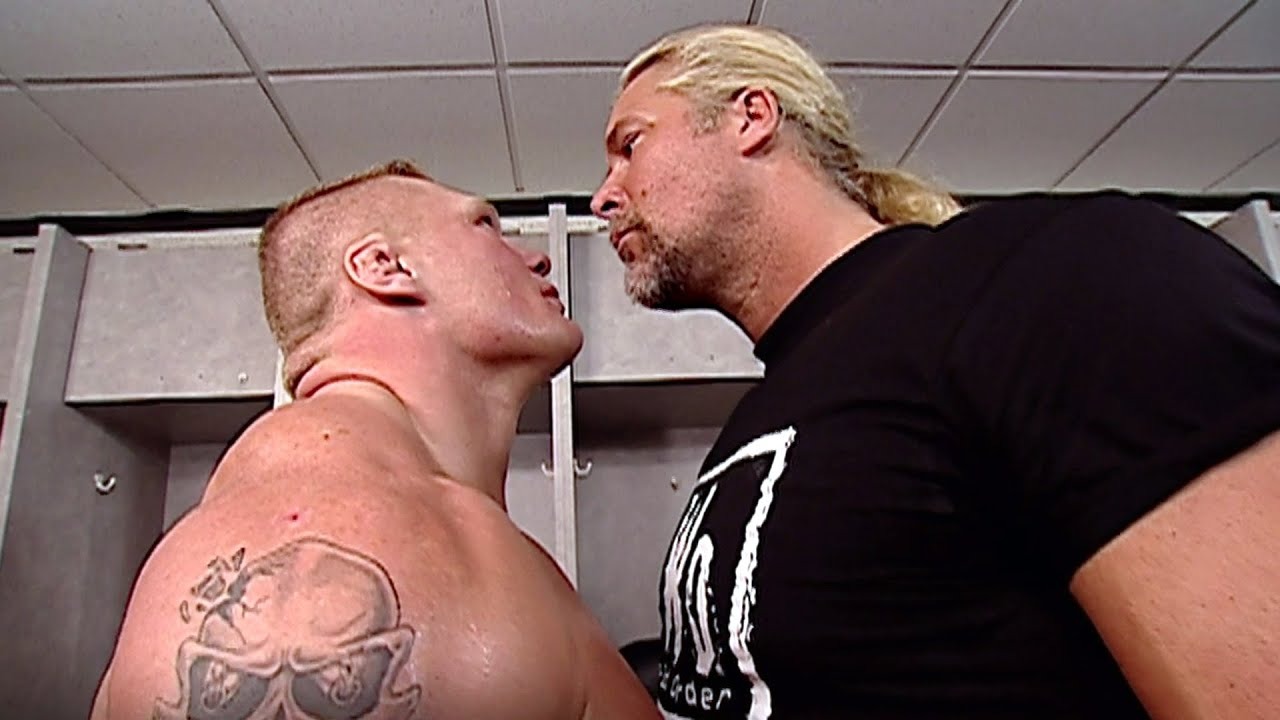
If you want a reminder of the physical toll Lesnar exacts on the locker room, look no further than Corey Graves. The SmackDown commentator recently opened up about his own violent encounter with the Beast Incarnate.
Graves revealed that taking a brutal F5 from Lesnar literally left him on crutches. Think about that for a second.
We watch guys take finishers every Monday and Friday night. They bounce back up, ice their necks, and hit the rental car counter. Lesnar's offense is different. It is not a controlled sequence of athletic cooperation.
It is a terrifying display of torque and gravity. When Lesnar throws you, you are entirely at his mercy until you hit the mat. Graves found out the hard way that the margin for error is non-existent.
But the physical violence is just the packaging. The real product is Lesnar’s unparalleled ability to manipulate the system.
The Ultimate Cold Pitch
Let's rewind to the late 2000s. Lesnar had walked away from WWE because he hated the brutal travel schedule. He tried his hand at the NFL, nearly making the Minnesota Vikings practice squad purely on mutant athleticism.
When that did not pan out, he pivoted to mixed martial arts. He didn't just walk into the Octagon with a red carpet rolled out. The promotion was not begging for his signature.
Lesnar recently talked about having to cold-pitch himself directly to Dana White. The UFC president was notoriously protective of his brand back then. He did not want the stench of professional wrestling compromising his legitimate fighting organization.
Lesnar had to convince White that he was not just a sports entertainer looking for a quick payday. He was a legitimate NCAA Division I heavyweight champion with a massive chip on his shoulder.
His first fight in the promotion was against former heavyweight champion Frank Mir at UFC 81. Lesnar came out like a bat out of hell. He took Mir down and started raining sledgehammer blows.
He eventually got caught in a kneebar because he lacked the submission defense of a seasoned veteran. He tapped out. The MMA purists laughed. They thought the grand experiment was over.
They were entirely wrong. Lesnar realized immediately that he did not need to be loved to sell pay-per-views. He just needed to be polarizing.
Dodging the Microphones
This brings us to the absolute best revelation from Lesnar's recent reflections. He openly admitted that leaning into a heel persona during his UFC run was a calculated maneuver. It was a strategy designed specifically to avoid media obligations.
"I can be an a**hole when I want to be."
That is Lesnar in a nutshell, perfectly summarizing his mindset. It is an absolutely brilliant approach to the fight game.
In modern MMA, athletes spend weeks doing exhausting press junkets. They sit on uncomfortable stools, answering the same brain-dead questions from reporters who have never thrown a punch. They do open workouts. They do morning radio hits.
It is a miserable, soul-sucking grind. Lesnar looked at that schedule and said absolutely not. By acting like a miserable, hostile villain, he effectively terrified the press corps.
He gave short, aggressive answers. He scowled at cameras. He stormed off stages. And the UFC brass let him do it because the silence built the aura.
He turned his genuine hatred for public relations into a massive marketing tool. Fans paid top dollar to see the angry giant get knocked out. Instead, they watched him smash Randy Couture to win the heavyweight title.
The Coors Light Incident
Look at UFC 100. It remains one of the most profitable pay-per-views in combat sports history. Lesnar destroyed Mir in the rematch, unifying the heavyweight championship.
What did he do right after the referee pulled him off Mir's bloody face? He walked over to the camera and cut a classic 1980s wrestling promo. He insulted the primary sponsor, Bud Light, and demanded a Coors Light.
He insulted his opponent. He played the villain so perfectly that the Las Vegas crowd practically booed him out of the building. Dana White was furious behind the scenes, or at least he pretended to be.
Lesnar had to issue a half-hearted apology at the post-fight press conference. But the damage was done, and the cash was already counted. The promo cemented Lesnar as the biggest box office draw in the sport.
The Dark Side of the Deal
Here is where we have to be brutally honest about the Lesnar experiment. For all his business acumen, his attitude created a deeply toxic precedent.
No retrospective on Brock Lesnar should be a complete love fest. His playbook severely damaged the daily operations of the companies he worked for. Lesnar showed that if you are a big enough draw, you can openly disrespect the promotional machinery and suffer zero consequences.
He got away with murder. This created a massive headache for the UFC. But it was infinitely worse when he brought that exact same privileged mentality back to WWE in 2012.
His refusal to do standard promotional work, combined with his exorbitant price tag, resulted in the miserable era of the absentee champion.
WWE booked themselves into a corner. They put their top title on a guy who showed up maybe six times a year. The rest of the roster had to grind out 300 days on the road.
Guys were doing local media in Dayton and Poughkeepsie while the champion was off hunting in Saskatchewan. It stalled the momentum of countless full-time stars. The television product suffered immensely.
The central conflict of any wrestling show—the chase for the championship—was put on ice for months at a time. It was a selfish, top-heavy era of booking, and Lesnar was the chief architect.
The View from 2026
As we sit here in 2026, the business of professional wrestling has completely shifted. The industry is hotter than it has been in two decades.
Cody Rhodes, Roman Reigns, and Seth Rollins carry the banner. They do the media scrums. They do the charity events. They understand that being a top guy requires a staggering amount of off-camera labor.
The Lesnar model of the silent, untouchable part-timer feels like a complete relic. You cannot get away with doing nothing but showing up and hitting suplexes anymore. The audience demands emotional investment.
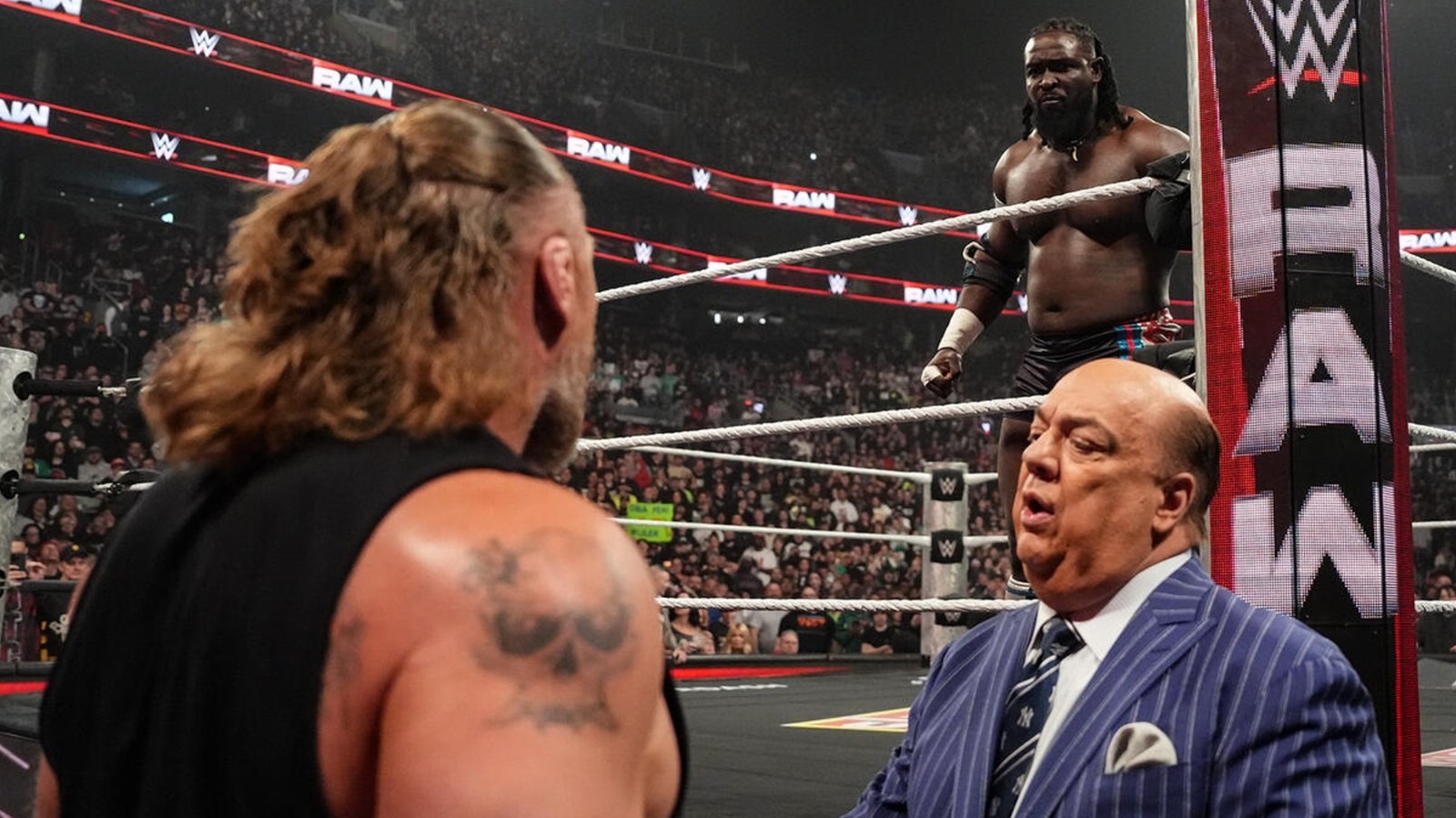
Yet, his shadow refuses to dissipate. Veterans like Bully Ray are still out there fantasy booking Lesnar's next move. Ray recently pushed the idea that rising stars like Oba Femi need a marquee victory over Lesnar to truly cement themselves.
It is the classic wrestling trope. The young lion slaying the old dragon. We have no idea if that match will ever materialize.
We do not even know if Lesnar will ever step foot in a WWE ring again. But if he does not, we should remember him accurately. He was not just a freak of nature who hurt people like Corey Graves.
He was a master manipulator who figured out how to make maximum money for minimum hours. He played the fans, he played the promoters, and he absolutely played the media. And he did it all while convincing us he was just a simple farm boy who liked to fight.
Read Next