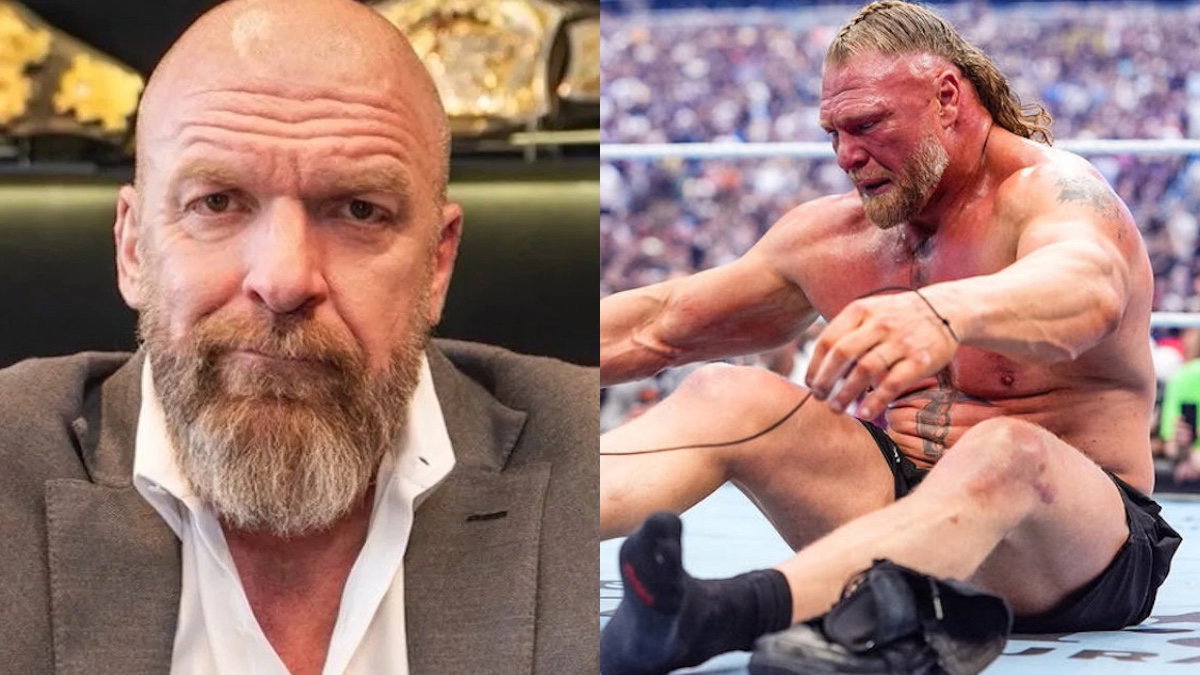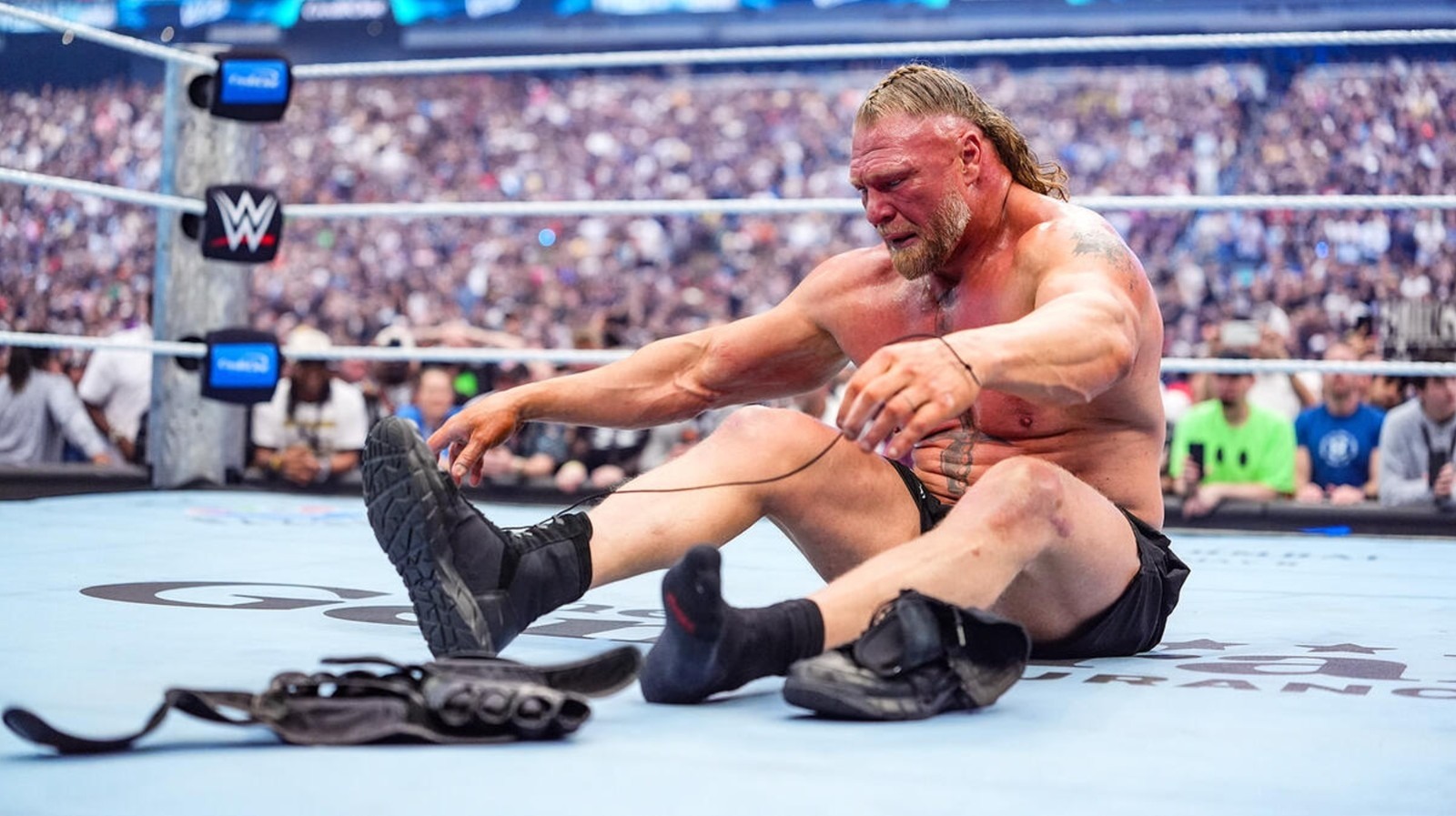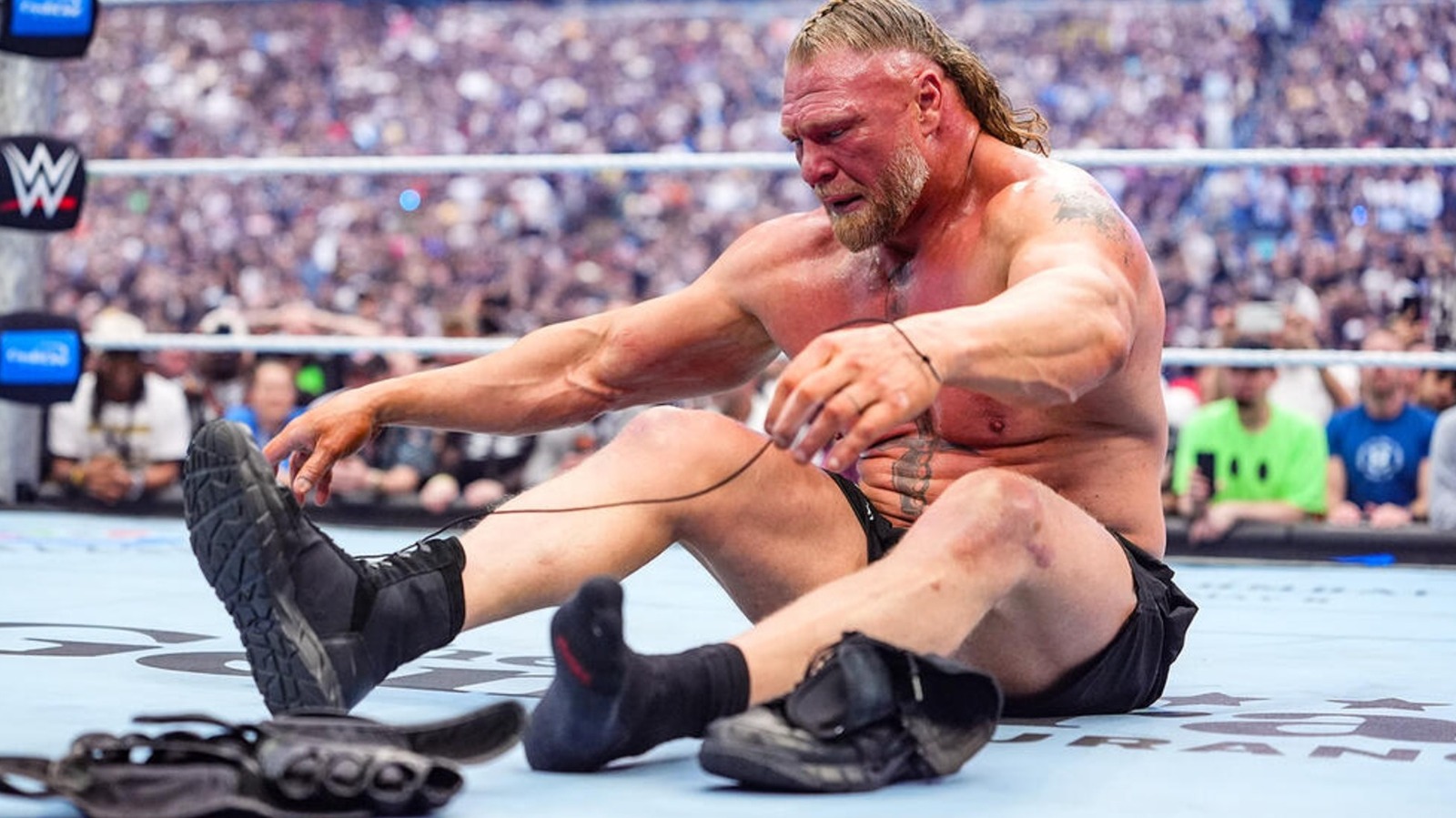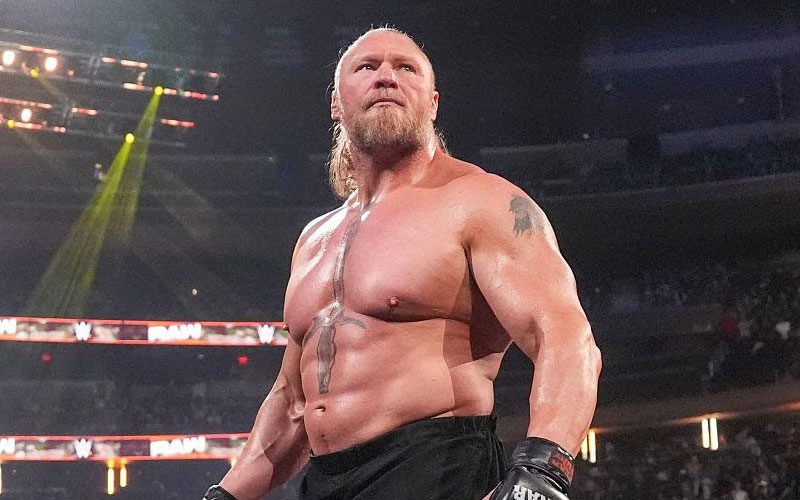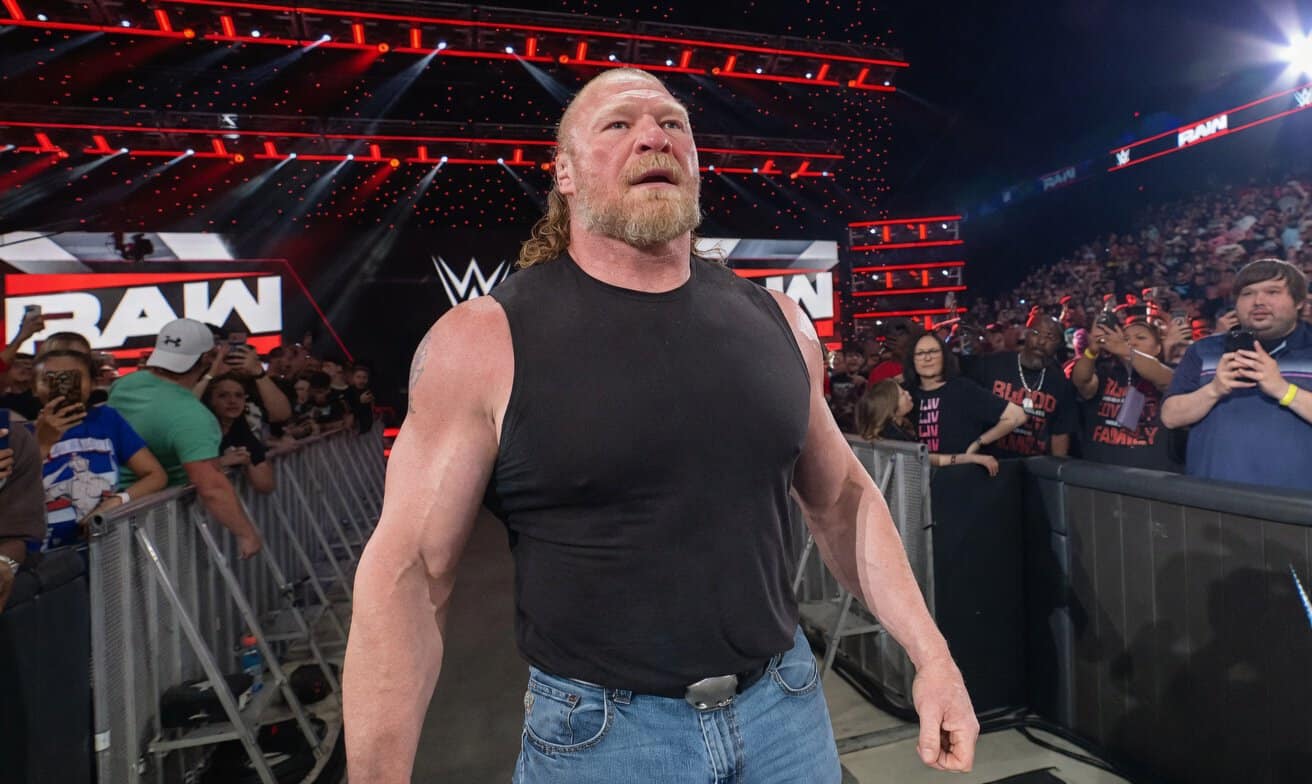
WWE is playing a very specific game of corporate semantics with Brock Lesnar. According to observations from a former WWE star circulating this week, the company has explicitly avoided slapping the 'retired' label on the former champion. Instead, the corporate line leans heavily on 'what's next' phrasing. This is not accidental.
In the highly scrutinized world of modern professional wrestling, a retirement is a legal and physical classification. A 'what's next' is a marketing placeholder.
But let us look at the actual physical reality. Lesnar turns 49 years old this summer. He has not wrestled a recorded match since putting over Cody Rhodes at SummerSlam in August 2023. We are approaching a full three years of inactivity.
To understand why Lesnar is currently sitting in this medical purgatory, you have to look at the odometer. This is a man who spent his twenties taking unprotected chair shots and botching shooting star presses on the grandest stages possible. He spent his early thirties absorbing massive blunt force trauma in the UFC heavyweight division against men who hit like freight trains.
Then came the intestinal failure.
The Biological Odometer
You cannot discuss Lesnar's athletic longevity without examining the defining medical crisis of his life. In late 2009, Lesnar was struck down by a severe illness that masked a much deadlier structural issue. He was diagnosed with diverticulitis, a severe inflammation of the digestive tract that led to fecal matter leaking into his abdomen.
Surgeons eventually removed a 12-inch piece of his colon. They essentially rewired his digestive system to keep him alive. They did not just snip a piece of tissue. They opened his abdominal cavity, resected the necrotic tissue, and stapled him back together.
Every bump he takes in a wrestling ring stretches that internal scar tissue.
This was not a torn ACL. This was not a blown rotator cuff. This was a systemic, life-threatening internal breakdown. The fact that he returned to fight Shane Carwin in 2010 was a medical anomaly. The fact that he continued to take flat back bumps in a professional wrestling ring for another decade borders on the absurd.
Opponents knew the structural weakness. When Lesnar fought Alistair Overeem at UFC 141, Overeem relentlessly targeted the surgically repaired midsection with heavy knees. The abdominal wall never fully regains its original structural integrity after that kind of invasive resection. Taking repeated trauma to that area accelerates the breakdown of the surrounding tissue and muscle fascia.
The Biomechanics of Suplex City
When Lesnar returned to WWE in 2012 against John Cena at Extreme Rules, his ring style fundamentally changed. He slowly stopped working traditional grappling clinics. He transitioned entirely into the 'Suplex City' era, characterized by brief, explosive bursts of overwhelming offense.
This was a brilliant character shift, but it was also a biological necessity. Delivering 15 German suplexes in a match requires explosive posterior chain strength, which Lesnar possessed in spades. More importantly, dominating the offense drastically limits the variety of bumps he had to take himself.
Taking bumps is what breaks down the human spine. Every time a 280-pound man hits the mat, the impact reverberates through the cervical and lumbar spine. Over time, the discs compress. The cartilage grinds down to nothing.
By controlling 90 percent of his matches, Lesnar protected his spine and his reconstructed abdomen from unnecessary, repeated impacts.
But at 48 years old, the human body does not recover from blunt force trauma the way it does at 28. Cellular regeneration slows heavily. Micro-tears in the muscle fascia take weeks, not days, to heal.
During his final televised bout against Cody Rhodes at SummerSlam 2023, Lesnar absorbed multiple Cross Rhodes and was driven into the steel ring steps. For a man approaching fifty, that kind of localized trauma to the spine and ribs requires extensive physical therapy just to walk normally the following week.
The Chemical and Endocrine Reality
If Lesnar steps back into a ring now, he is not just fighting ring rust. He is fighting basic endocrinology.
In 2016, Lesnar returned to the octagon for UFC 200 against Mark Hunt. He was granted a one-month exemption from USADA's standard four-month testing window for returning athletes. He subsequently failed two drug tests for clomiphene, an estrogen blocker often used in post-cycle therapy.
As natural hormone production plummets in a man's late 40s, maintaining a massive muscular physique while sustaining extreme physical impact becomes biologically impossible without assistance. WWE's internal wellness policy has different thresholds and part-timer exemptions compared to the strict testing protocols of USADA. But the sheer physical maintenance required to look and perform like the Beast Incarnate places an enormous toll on the liver, kidneys, and cardiovascular system of an aging athlete.
Corporate Spin vs Medical Clearance
This brings us back to WWE's phrasing. Why keep the door open with the 'what's next' language instead of simply closing the book?
"WWE never touted Brock Lesnar is officially retired."
The critical failure in WWE's approach here is their absolute refusal to let ghosts rest. The company has a long, documented history of dragging aging stars out of the cryogenic chamber for one last stadium payday, often with disastrous medical results in the ring.
We saw it with The Undertaker's painfully slow physical decline between 2014 and 2020. We saw it when Goldberg nearly dropped The Undertaker directly on his head during a botched maneuver in Saudi Arabia. The promotion consistently prioritizes the nostalgic pop over the physical reality of the aging performers.
By keeping Lesnar in the 'what's next' category, WWE maintains control of his intellectual property. They keep his name in the merchandising rotation. They keep him viable for video game licensing. And they hold onto a break-glass-in-case-of-emergency attraction for a massive stadium show down the line.
The Absence of a Medical Verdict
In WWE parlance, an official medical retirement usually requires a catastrophic, career-ending structural injury. Big E's in-ring career was halted by a horrifying mistake on an overhead belly-to-belly suplex that fractured his C1 vertebra. It was a clear, definable end point.
Paige suffered severe spinal stenosis before her eventual, heavily protected AEW return. Edge underwent triple-fusion neck surgery.
Lesnar does not have a broken neck. He is just heavily worn out. His decline is a slow erosion of joint cartilage and muscle elasticity, not a singular snapping bone.
When an athlete simply ages out of the extreme physical demands of the sport without a singular dramatic injury, WWE rarely issues a formal press release. They just let the performer fade into the alumni section quietly.
Could Lesnar pass a WWE physical tomorrow? Probably. The company's medical testing under Dr. Joseph Maroon is stringent regarding cardiovascular health and brain function.
Lesnar has never publicly failed a WWE cardiovascular screening, and his concussion history is relatively clean compared to his peers from the Ruthless Aggression era who relied heavily on unprotected chair shots to the skull.
But passing a baseline physical and safely executing a main event style wrestling match are two entirely different metrics.
The Final Assessment
The 'what's next' language is a corporate safety net. It allows the company to tease a return without committing to a grueling medical clearance process or a definite booking plan.
If Lesnar never wrestles again, WWE does not have to awkwardly walk back a formal retirement announcement. If he suddenly decides he wants to hit an F-5 at a stadium show in 2027, the narrative seed is already planted and ready to harvest.
We are looking at a masterclass in corporate ambiguity. The lack of a retirement announcement is not a promise of an impending return.
It is an acknowledgment that Brock Lesnar exists in his own category entirely. He is a biological anomaly who survived a devastating intestinal disease to dominate two different combat sports across two decades.
WWE will not say he is officially retired because nobody tells Brock Lesnar he is finished until Brock Lesnar decides he is finished.
But from a purely physiological standpoint, the engine has miles on it that cannot be reversed. The 'what's next' might just be a very quiet, heavily medicated exit from the industry.