The transition from the squared circle to the corporate office
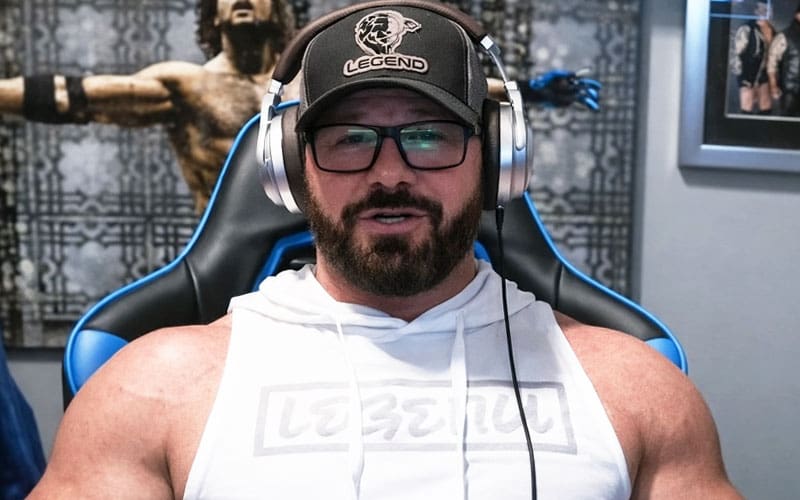
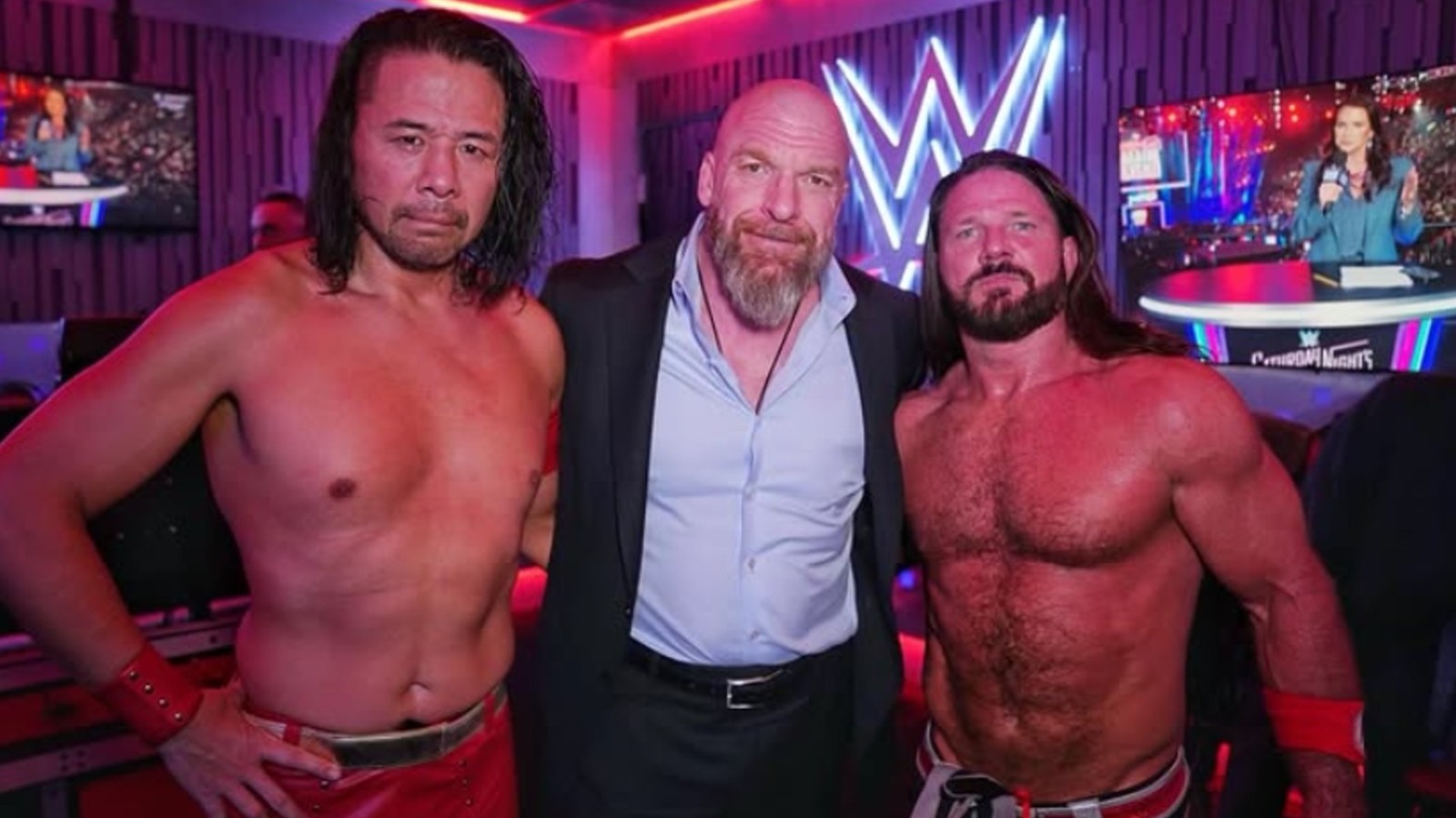
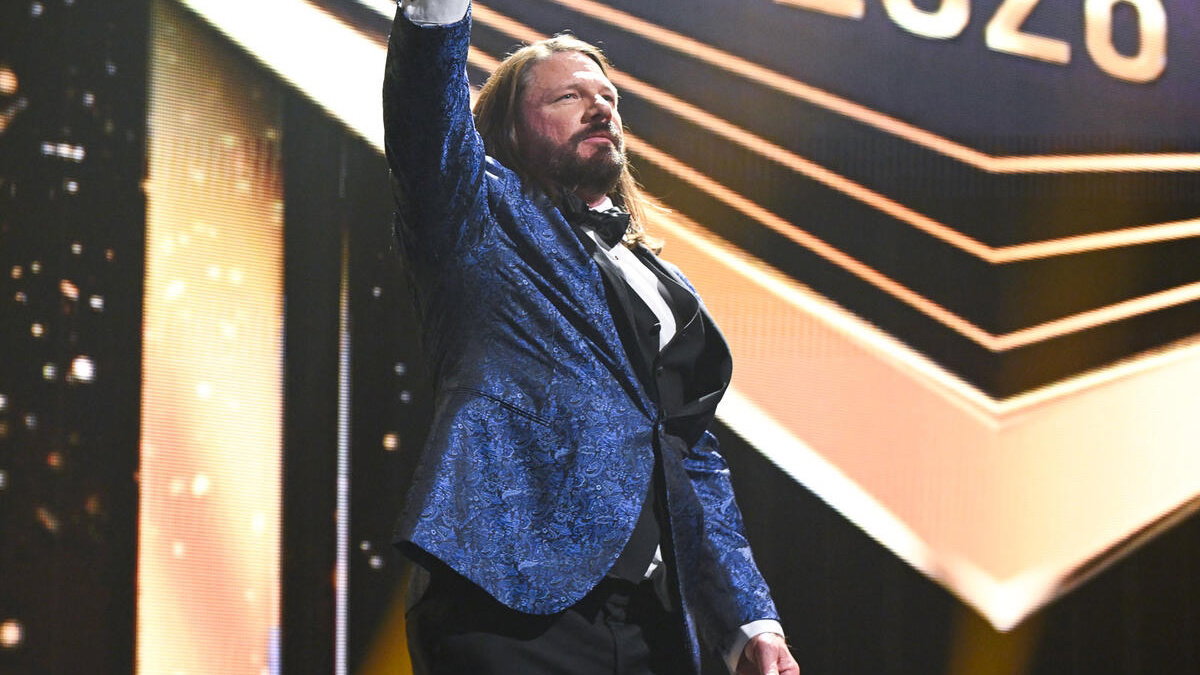
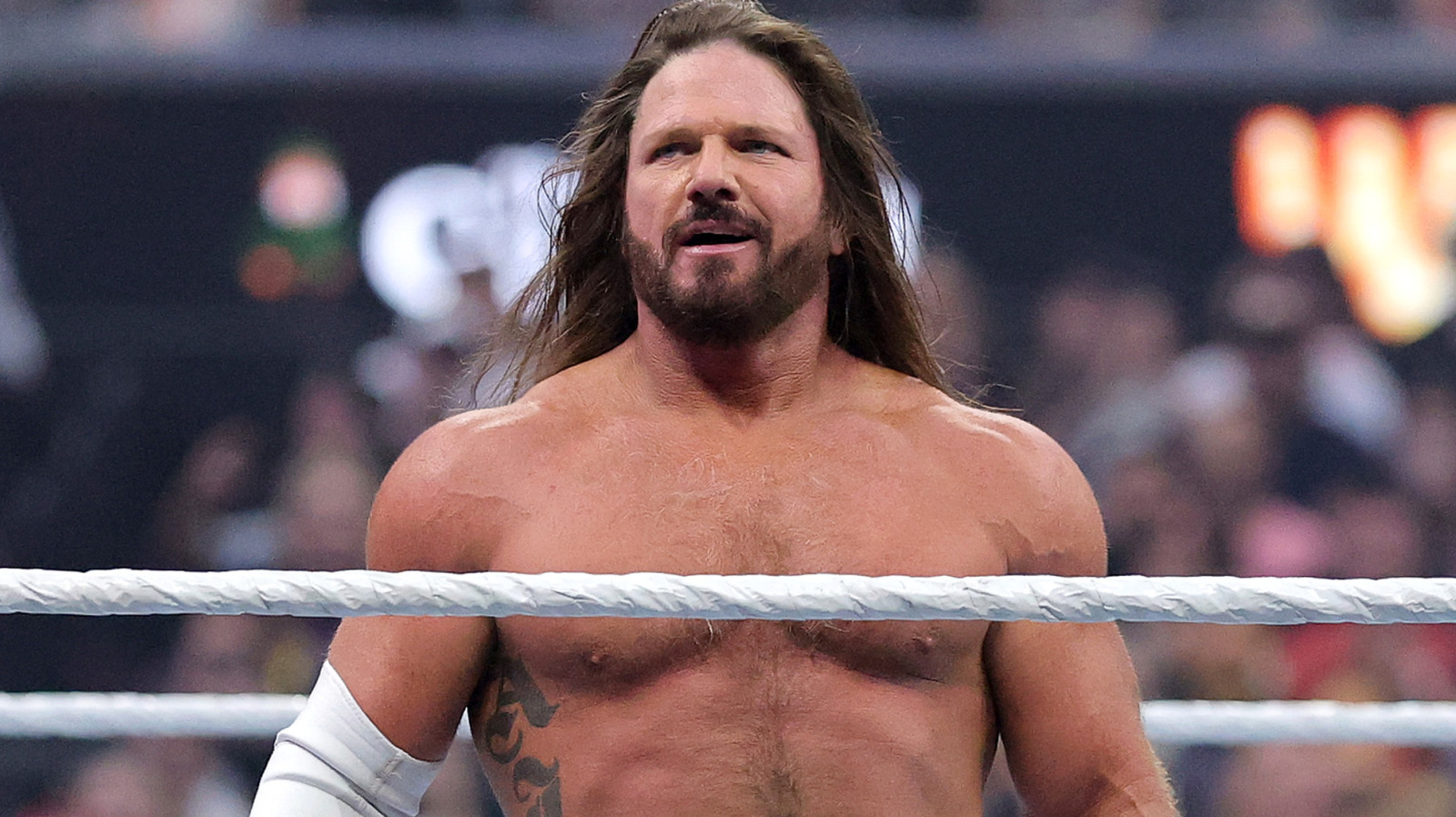
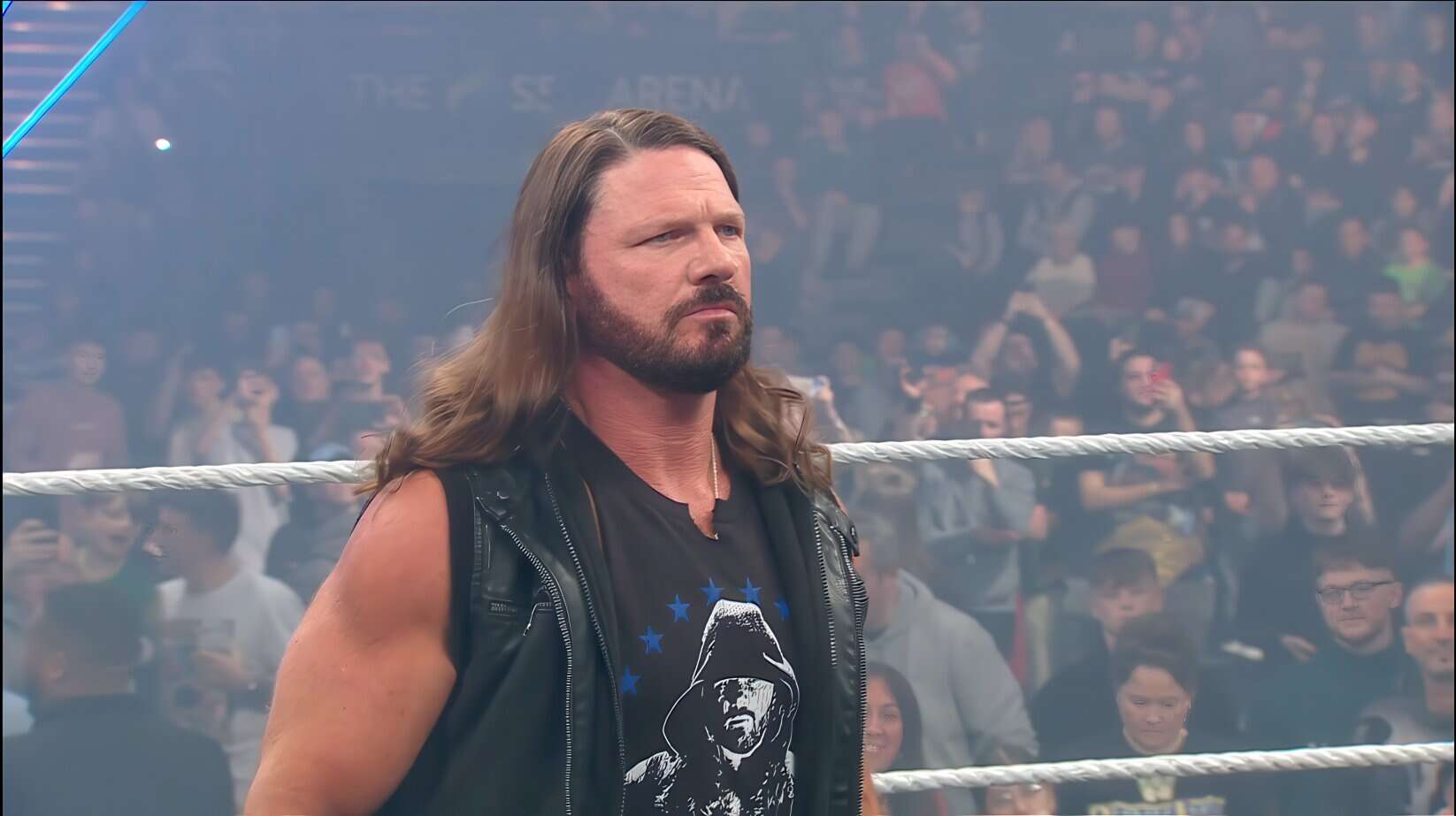
As of March 31, 2026, the industry is processing the shift in status for one of the greatest technical wrestlers of his generation. AJ Styles has officially confirmed his transition into a new, non-wrestling role within WWE. This follows his recent pivot after his retirement, leaving a void in the active roster that few can fill.
Styles brings an analytical mind that typically goes underutilized in modern creative booking. According to reports from F4WOnline, his involvement will center on mentoring talent and refining the mechanics of high-quality matches. This is a move that makes sense for a veteran who has spent decades perfecting his craft in every major promotion globally.
The danger of losing rhythm in the locker room
While the addition of Styles to the production side is a net positive for talent development, it highlights a recurring issue in WWE booking. The reliance on veteran knowledge is high, yet there is a visible regression in how mid-card matches are structured during televised events. Too often, we see sequences that feel like a disorganized checklist of moves rather than a cohesive story.
We also have to address the state of the product beyond the ring. The ongoing technical issues plaguing the latest iteration of the digital landscape were recently highlighted when PWInsider reported on WWE 2K26 patch details. When the digital simulation feels more like a bug fix than a celebration of the sport, it reflects a broader lack of attention to the details that fans truly care about.
The path toward a WrestleMania climax
With WrestleMania 41 in Philadelphia less than three weeks away, the company is leaning on nostalgia and crossover marketing to generate buzz. Promoting events like the upcoming baseball stadium engagement, as noted in the Brooklyn Cyclones collaboration, shows a commitment to territory-style local engagement. However, these side projects cannot hide the fact that the main event picture feels stagnant.
The current booking strategy suggests WWE wants to play it safe with record-breaking numbers as the primary metric of success. My concern remains the match quality of the mid-card programs. Without a strong creative hand guiding the younger talent, even a seasoned mentor like Styles will struggle to elevate the average match time and impact. We need to see more consistency in how finishes are delivered. A lazy rollup in the 8th minute of a big match remains an insult to the viewer who sits through the build-up.
If the company intends to maintain its momentum during the busy spring schedule, they must prioritize genuine character progression over repetitive match formats. Styles in a producer role is a start, but the scripts themselves require a complete overhaul to match his level of ring generalship.