The Healthiest Absence in Professional Wrestling
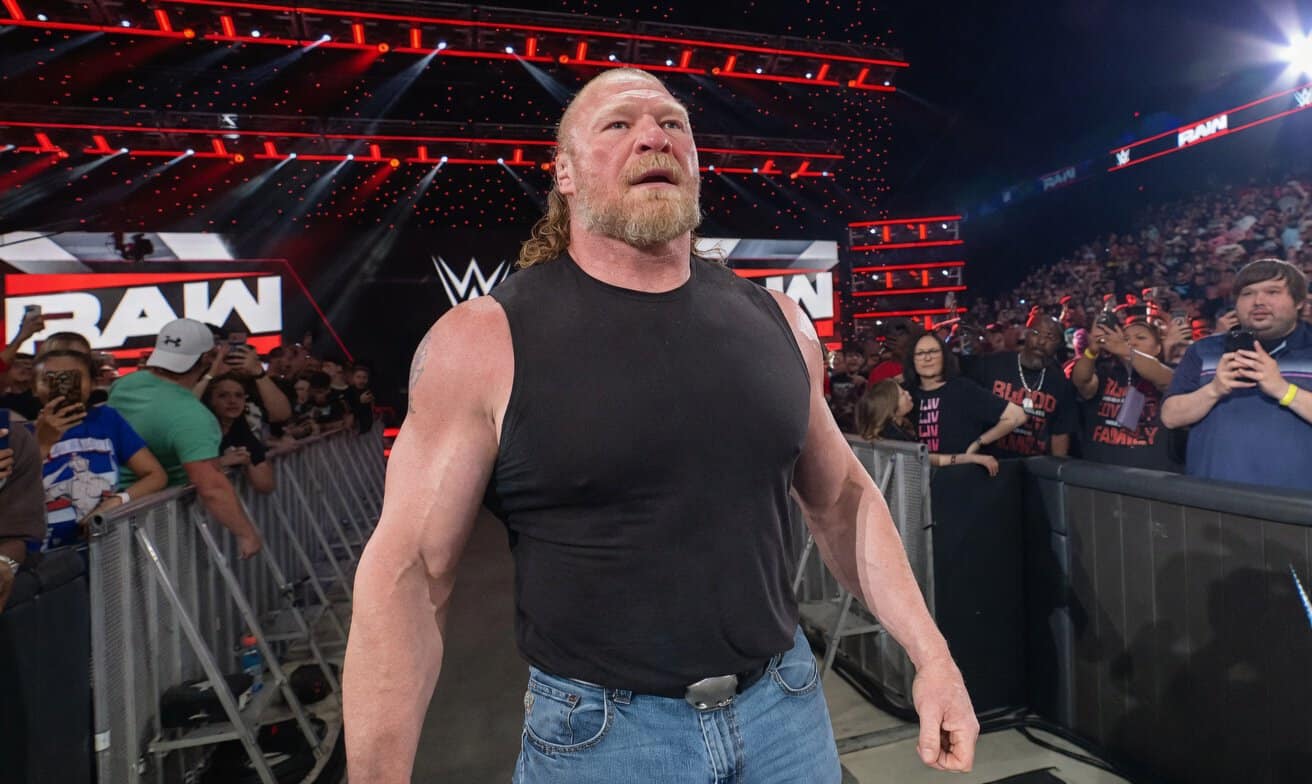
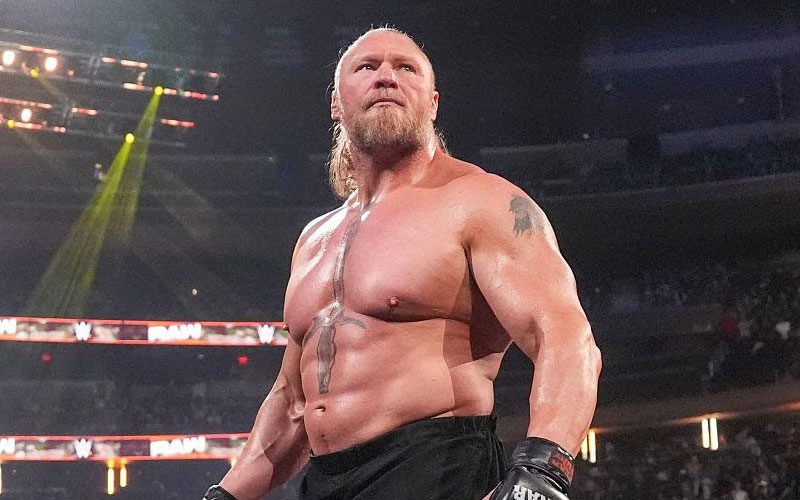
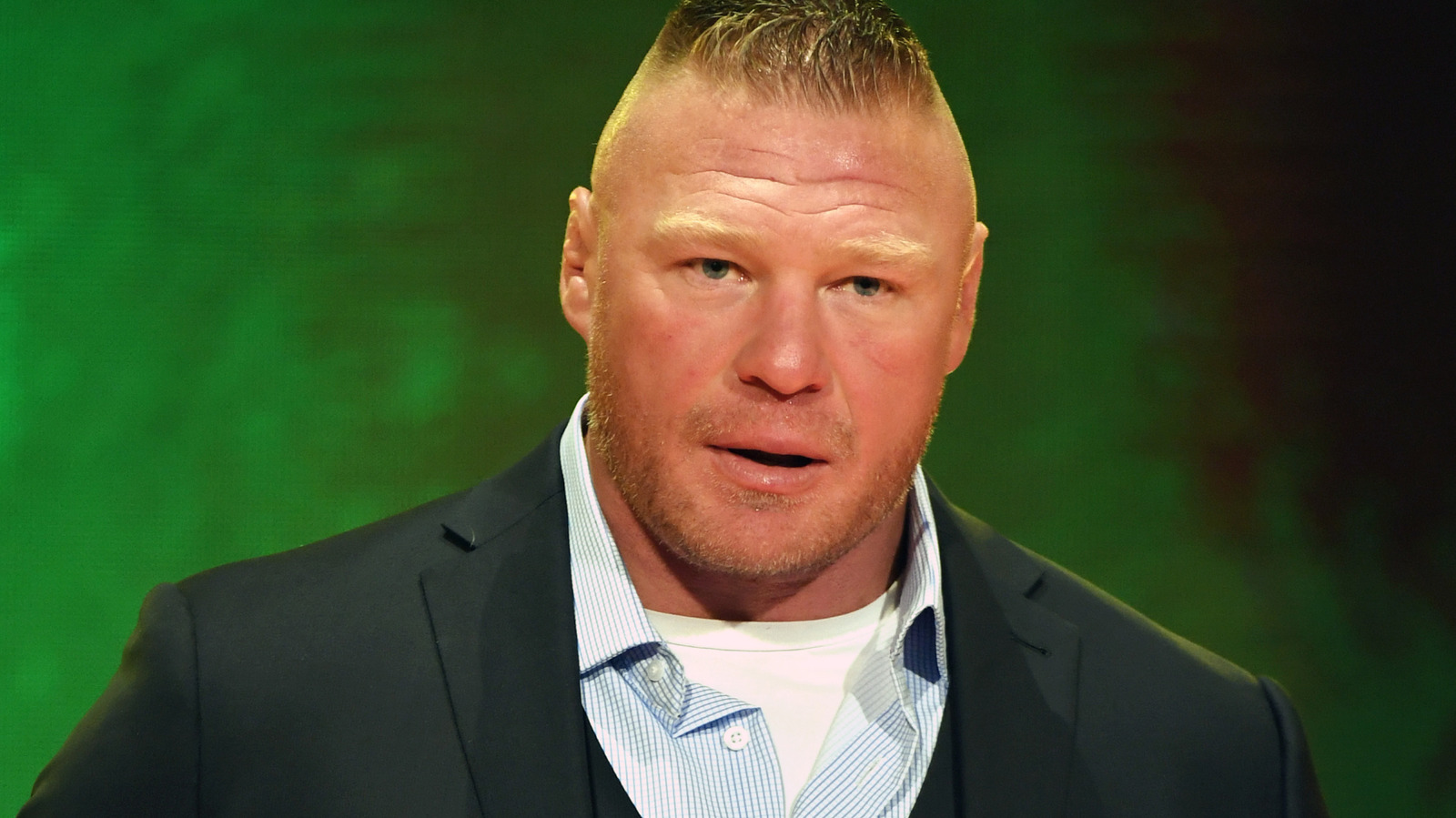
WrestleMania 41 is exactly three weeks away, and the injury reports are stacking up across the industry. Yet, the most notable absence from the card isn't tied to a torn ACL, a severe concussion, or a lingering neck issue. Brock Lesnar is completely missing from WWE programming, and for once, the medical staff has nothing to do with it.
Rumors always swirl when Lesnar drops off the radar. In the past, quiet periods were sometimes linked to his battle with diverticulitis or the sheer wear and tear of a dual-sport career spanning decades. This time, the explanation is entirely personal.
Lesnar is physically sound. Instead of rehabbing a joint or recovering from a major surgery, the former champion is choosing to stay home. As Wrestling Inc reported, Lesnar has made it clear that all the titles and accolades mean nothing compared to his real priority. His legacy is his kids.
It is a stark contrast to the typical veteran wrestler desperately trying to tape together broken joints for one more main event payday. For a man who made his living destroying human bodies, walking away with his own body intact is an impressive accomplishment. He is stepping away not because he cannot perform, but because he refuses to sacrifice his family time.
A Brutal Medical History
To understand the significance of a healthy Lesnar walking away, you have to look at his extensive medical file. Most heavyweight wrestlers accumulate a terrifying list of structural damage by their late forties.
Heavyweight athletes simply do not age gracefully in this business. The human spine is not designed to absorb the repeated impact of falling onto a wooden mat covered by a thin layer of foam. The sheer gravitational force exacted on a massive frame over two decades typically results in a catastrophic structural failure.
Fused necks, blown knees, and chronic lower back pain are the industry standard for men of his size. Lesnar managed to avoid the worst of the typical professional wrestling injuries, but his career was almost entirely derailed by a horrific illness.
His battles with diverticulitis during his UFC run are well-documented. It was a life-threatening intestinal disease that required surgery to remove a significant portion of his colon.
Consider the physical toll of his major medical issues:
- A devastating bout of mononucleosis in 2009 that severely weakened his immune system.
- The initial diverticulitis diagnosis that forced the cancellation of his fight with Shane Carwin.
- A subsequent surgery in 2011 to remove a 12-inch piece of his diseased colon.
The illness sapped his immense strength and ruined his cardiovascular endurance. It fundamentally altered the trajectory of his athletic prime. For a while, there were legitimate questions about whether he would ever be able to withstand physical contact again.
Adapting to Survive
When he returned to WWE in 2012, his training and diet had been completely overhauled. He transitioned into a highly specialized, low-risk style. The matches became shorter and highly explosive.
He didn't take unnecessary bumps. He didn't work the grueling non-televised house shows. He protected his body with a ruthless efficiency that frustrated hardcore fans but undoubtedly extended his career.
The fact that Lesnar can physically walk away from wrestling on his own terms today is a medical anomaly. He isn't being forced out by a ringside physician refusing to clear him. In an industry where performers famously do not know when to quit, Lesnar's boundary is incredibly rigid.
The Roster Impact and the Missing Monster
WWE's creative team is now forced to operate without their ultimate safety net. For the better part of a decade, Lesnar was the immediate panic button. If television ratings started to drop, they would bring in Lesnar.
His absence completely shifts the booking strategy heading into Allegiant Stadium next month. Without the massive heavyweight dominating the upper card, the oxygen finally returns to the rest of the roster.
The main event scene for WrestleMania 41 is largely locked in. Cody Rhodes is defending the WWE Championship, and the ongoing Bloodline saga is consuming Roman Reigns. But the mid-card desperately needs heavyweights to step up and fill the physical void.
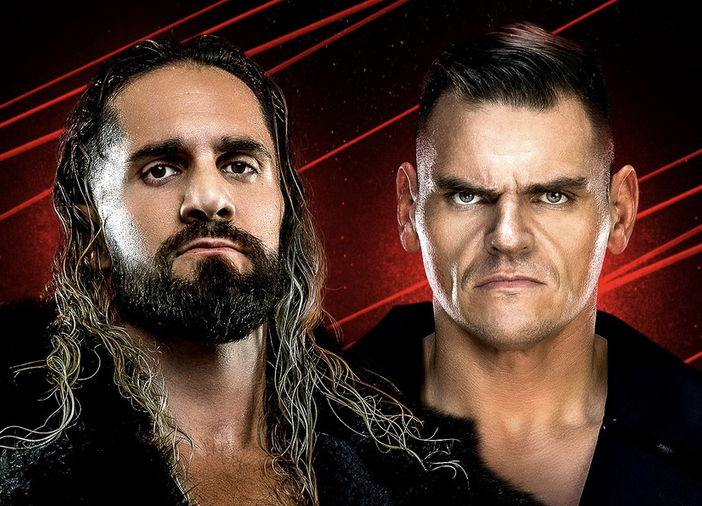
This creates a massive opportunity for the younger, hungrier roster. Bron Breakker and Gunther have essentially absorbed Lesnar's role. They are now the unstoppable, hard-hitting monsters of the division.
If Lesnar were currently active on the roster, it is highly likely one of those younger stars would be sidelined. Worse, they might be fed to him in a five-minute squash match to build his momentum. His voluntary absence forces WWE to actually invest in their future.
The Tactical Void and Booking Failures
From a purely tactical standpoint, pacing a premium live event without a Lesnar match requires a significant adjustment. A typical Lesnar bout is a guaranteed ten minutes of absolute chaos.
It requires very little traditional psychological build-up within the match itself. It relies almost entirely on shock value, raw power, and the sheer spectacle of a massive human being throwing other massive human beings across the ring.
Without that guaranteed adrenaline spike, producers have to rely on longer, more methodical wrestling clinics. The pacing of WrestleMania 41 will look fundamentally different than the events from five years ago. It forces the current roster to work harder to maintain the stadium crowd's energy, relying on intricate storytelling rather than a barrage of consecutive German suplexes.
There is also a highly valid criticism of how WWE handled Lesnar's later active years. By leaning on him so heavily, the promotion trained the television audience to view the rest of the locker room as inherently inferior.
No one was ever booked to look like a legitimate physical threat to him. The only exceptions were a select few heavily protected stars like Reigns or Bill Goldberg. The company essentially stunted the growth of a half-dozen potential main eventers just to keep Lesnar looking invincible.
Now, they are paying the price. They are scrambling to build credibility for a roster that spent years looking up at the ceiling lights for a part-time attraction. It was a shortsighted strategy that yielded immediate financial returns at the expense of long-term roster depth.
Timeline for a Return: Indefinite
When a medical staff is dealing with a structural injury, there is always a clear timeline. A torn pectoral muscle requires six to nine months of grueling rehabilitation. A fractured orbital bone sidelines a fighter for roughly six weeks. But how do you put a recovery timeline on fatherhood?
Lesnar is not working on a post-surgical rehab schedule. He is not doing physical therapy. He is attending his children's sporting events, managing his farm, and living off the grid.
The timeline for his return is entirely dependent on his own boredom or a financial offer too massive to ignore. For now, the roster must proceed under the strict assumption that he is gone for good.
He is technically an inactive roster member, but functionally, he operates as a retired athlete. Someone else has to sell the tickets now. WWE will continue to march toward Las Vegas and the subsequent summer schedule without him.
They will crown new champions. They will sell out massive stadiums across the globe. And they will do it without the most terrifying physical specimen of his generation, not because he physically can't compete, but because he simply doesn't want to.
Read Next