The Dark Times
It is incredibly easy to forget just how weird things got. We are sitting here at the end of March 2026. We are barely three weeks out from WrestleMania 41 taking over Allegiant Stadium in Las Vegas. We are about to see tens of thousands of people screaming their lungs out. It is going to be deafening.
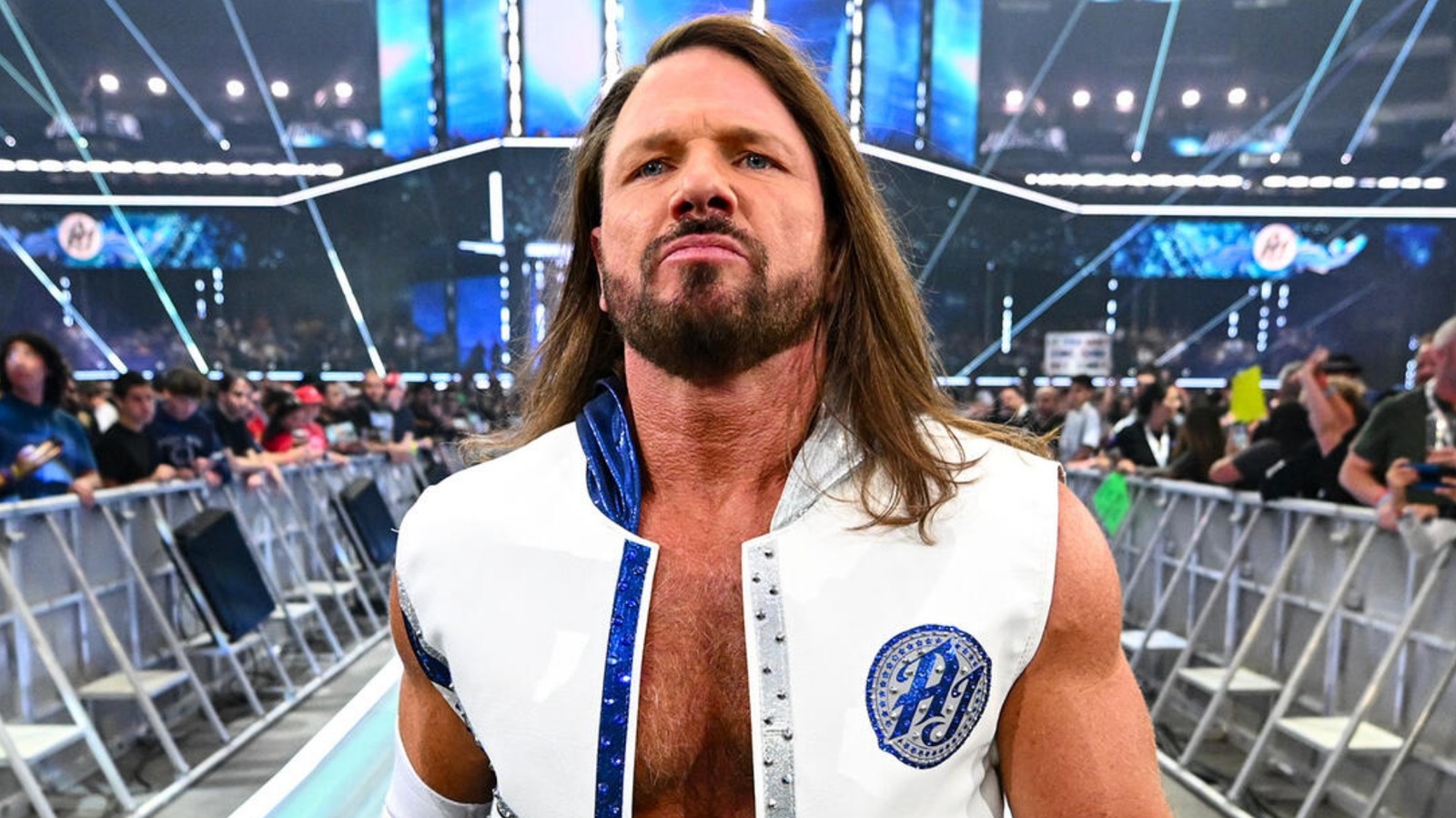
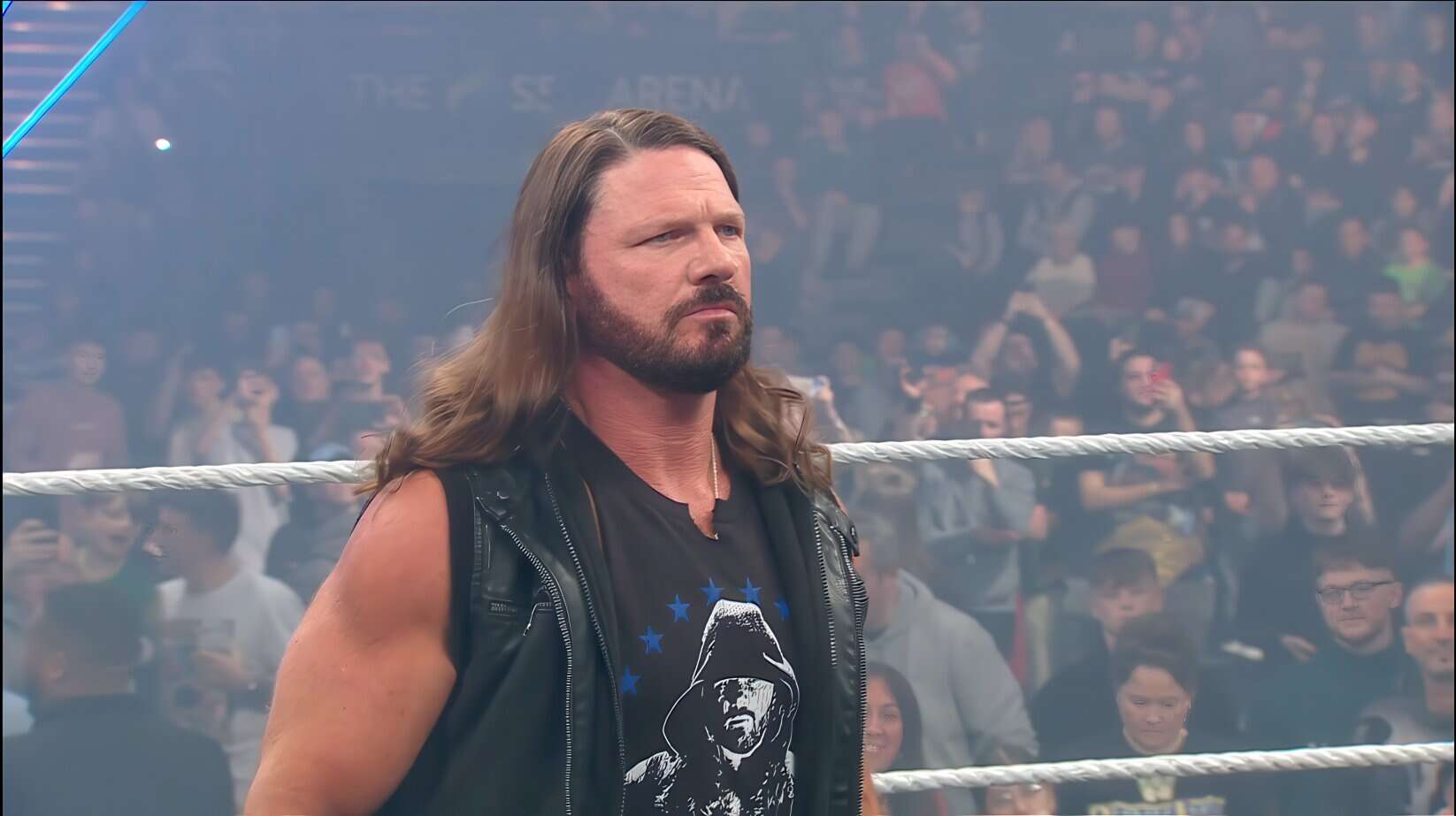
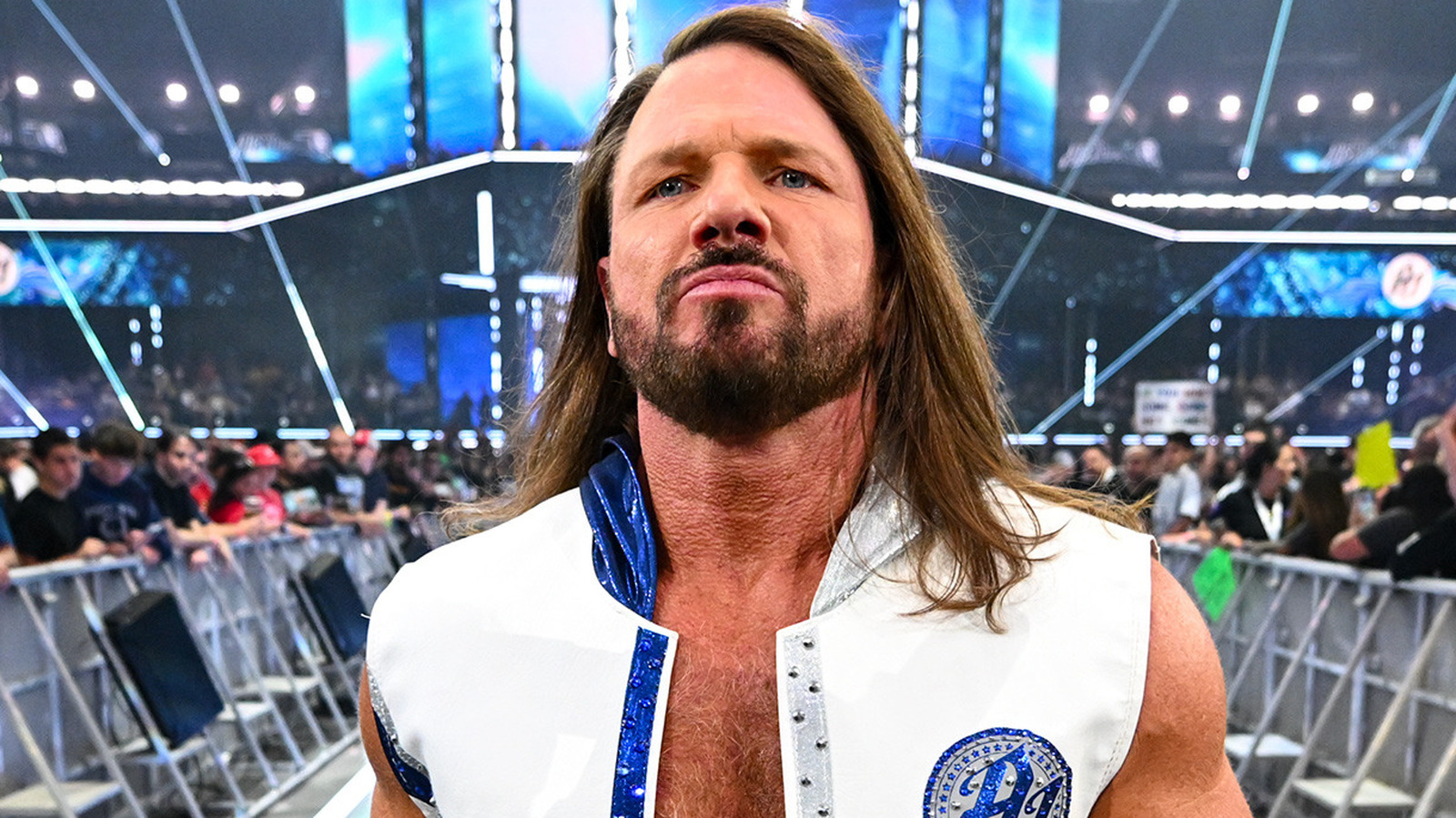
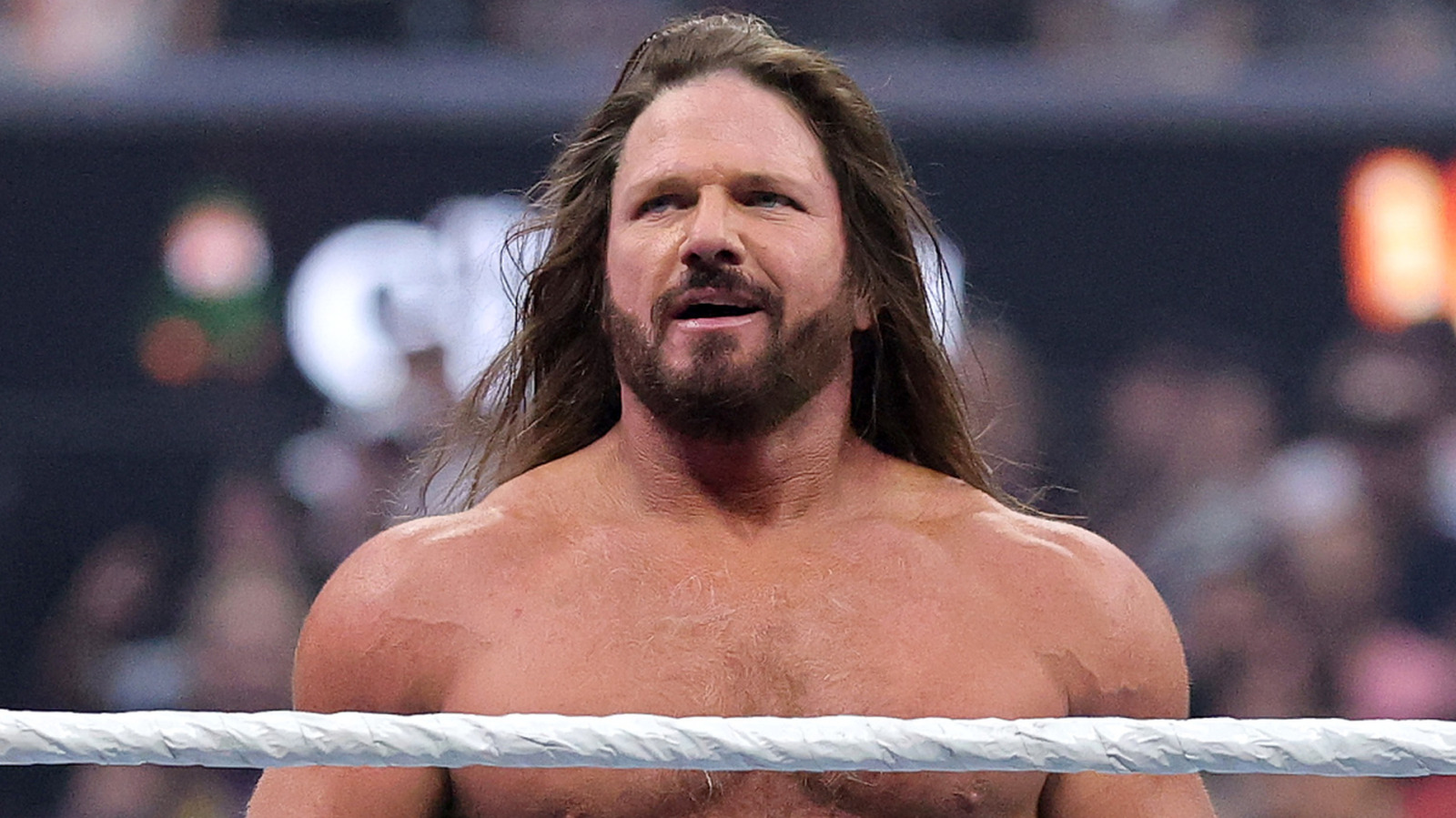
But then a guy like AJ Styles opens his mouth and drags us right back to the dark times.
Speaking about the pandemic era of WWE, Styles didn't mince words. He called the entire ThunderDome experience "absolutely terrible". And honestly? He is completely right. It was a miserable, sterile, deeply strange television product that we all collectively agreed to endure because we had nothing else to do.
Think back to the summer of 2020. WWE had already dragged itself through months of empty-arena shows at the Performance Center. We watched Stone Cold Steve Austin cut promos to literally zero people on March 16th. We watched Asuka yell from the commentary desk just to create some ambient noise for the entire broadcast. We watched that bizarre Money in the Bank match filmed entirely inside Titan Towers. It was depressing, weird, and entirely unsustainable.
The Virtual Circus
Then came the grand solution. The ThunderDome.
They took over the Amway Center in Orlando. They spent millions rigging up thousands of LED screens around the ring. They invited fans to log in via webcam to be part of the virtual crowd. On paper, it sounded like a high-tech fix to an impossible problem. In execution, it was a dystopian nightmare that slowly drove everyone crazy.
AJ Styles is a guy who built his entire legacy on crowd reaction. From the bingo halls to the Tokyo Dome to the grandest stage in WWE. He is one of the greatest in-ring workers of his generation. He knows exactly when to pause. He knows when to milk a hold. He knows exactly how to manipulate an arena of 15,000 people to get the exact pop he wants. He relies on that organic energy to pace his matches.
Take all of that away, and what do you have left? You have guys taking flat-back bumps onto hard wood for the benefit of a Zoom call.
It had to be soul-crushing for the talent. Imagine putting together a 20-minute classic, climbing the top rope, hitting your finish, and looking out into the void. Instead of a roar, you get a wall of compressed video feeds lagging by three seconds. Half the people on the screens are looking at their phones. One guy is eating a bowl of cereal. Someone else is showing off their dog.
And that was before the trolls figured out how to ruin it.
We all remember the absolute disasters that made it to live television. The fans broadcasting offensive images. The people holding up pictures of Chris Benoit or rival company logos. The guy who literally fell asleep on camera during a main event. WWE had to hire an entire department of people just to actively monitor the individual video feeds and ban users in real-time. It was a technological circus, a constant game of whack-a-mole just to keep the broadcast somewhat professional.
The Hairdryer Pop
But the worst part? The absolute most unforgivable part of the ThunderDome era?
The noise.
WWE didn't trust the dead silence. They didn't trust the awkwardness of the delayed virtual fans. So they cranked up the artificial crowd noise. It sounded like someone left an industrial hairdryer running next to a microphone. It was a constant, droning hum of fake cheers that almost never matched the action in the ring.
A guy would hit a standard suplex. Deafening roar.
Someone would grab a rest hold for two minutes. Deafening roar.
It was manipulative. It completely ruined the pacing of the matches. Pro wrestling is a dance between the performers and the audience. The ThunderDome replaced the audience with a soundboard operator who only knew two volumes: loud and louder. It trained WWE management to artificially manufacture reactions instead of earning them through compelling storytelling.
And honestly, that is my biggest gripe with the whole experiment. WWE got addicted to controlling the noise. Even when real crowds came back, they kept their fingers on the audio sweetener button. You can still hear it today on SmackDown sometimes. That fake, canned roar creeping into the broadcast when a segment isn't getting over the way they want. The ThunderDome gave them a bad habit they still haven't entirely kicked, and it actively hurts the television product when they rely on it.
A Creative Black Hole
But let's look at the matches themselves. AJ Styles actually put in incredible work during this weird, sterile stretch.
He won the Intercontinental Championship in a phenomenal tournament final against Daniel Bryan. That match was a technical masterclass. They wrestled a pure, methodical style that actually benefited from the lack of a screaming crowd. You could hear the mat squeak. You could hear the impact of the strikes. You could hear them calling spots if you listened closely enough. It was a brilliant piece of business.
But that was the exception, not the rule. Most nights in the ThunderDome felt like an absolute chore to get through.
You had the Retribution storyline invading the building, doing absolutely nothing of consequence week after week. You had Raw Underground happening in a windowless room somewhere in the back with Shane McMahon sweating profusely. You had the Mysterio family eyeball-extraction match against Seth Rollins. It was a company throwing absolute garbage against the wall because they didn't have a live crowd to immediately reject it. If you tried the Retribution angle in front of a real crowd in Philadelphia or Chicago, they would have been booed out of the building in ten seconds. In the ThunderDome? The hairdryer just kept roaring.
Styles calling it terrible isn't just a veteran complaining about the old days. It is a fundamental truth about what makes this business work.
Wrestling is a live medium. It is theater in the round. The fans are the final character in every single match. Without them, you just have a bunch of incredibly athletic stuntmen in tights pretending to fight in a warehouse. The emotional stakes vanish without a physical audience to validate them.
The ThunderDome kept the lights on. It kept the massive TV contracts fulfilled with Fox and USA Network. It kept the company making record profits during a time when the live event industry was completely dead. We have to acknowledge that. It was an operational miracle that they pulled it off and never missed a week of television.
But as a viewing experience? As an environment for a performer like AJ Styles? It was a creative black hole.
We are so lucky to be where we are now. The business is hotter than it has been in two decades. The arenas are packed. The merchandise is flying off the shelves. We are staring down WrestleMania 41 in a few weeks, and the card is stacked. When someone hits a massive high spot at Dynasty this weekend, the roof is going to blow off the building in Kansas City. The sound will be visceral. The reaction will be earned.
Every time you hear a massive, organic pop over the next month leading into Vegas, take a second to appreciate it. Remember the hairdryer noise. Remember the lagging Zoom screens. Remember the terrible, sterile environment that guys like AJ Styles had to survive just to get us back here.
He is absolutely right. It was terrible. And we should be thankful every single week that we never have to go back.