The lost art of the go-home show
Grab a drink and pull up a stool. We need to have a serious conversation about what the hell is happening on Wednesday nights.
There was a time when the final television episode before a pay-per-view was the most electric night of the month. You tuned in because someone was getting put through a table. A contract signing was guaranteed to end in a massive brawl.
The go-home show used to be a sacred institution in professional wrestling. It was the hard sell. The final pitch to get your sixty bucks.
Now? We get a YouTube playlist broadcast on national television.
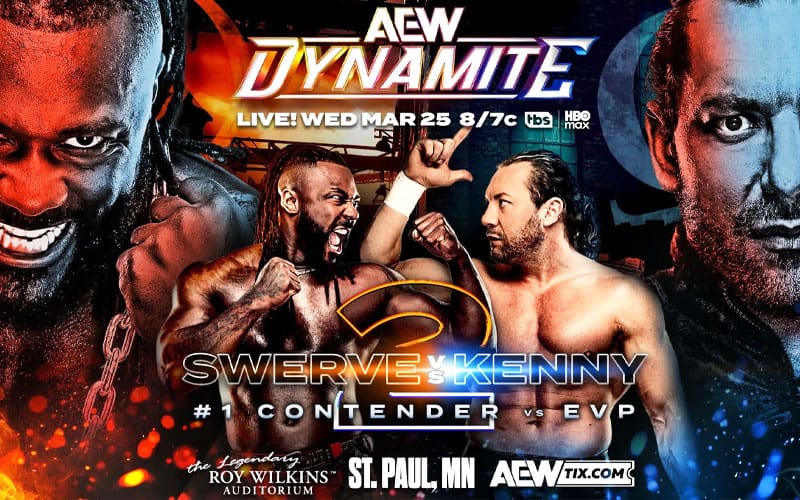
Look at the March 25 edition of AEW Dynamite. We are exactly four days out from AEW Dynasty in Kansas City. This is supposed to be the crescendo of a massive build. The exact moment where tensions finally boil over.
Instead, what did we get? A series of highly polished, incredibly well-edited video packages. It was essentially an extended trailer for a movie we have already bought tickets for.
I get it. AEW has a phenomenal production team. The guys in the truck know how to cut a hype video that makes you want to run through a brick wall.
But there is a massive difference between dropping a slick promo package on Twitter on a Tuesday afternoon and dedicating prime television time to it on your flagship show. It stops the momentum dead.
It tells the live crowd in the arena to sit on their hands and look at the screen. You do not buy a ticket to a wrestling show to watch television.
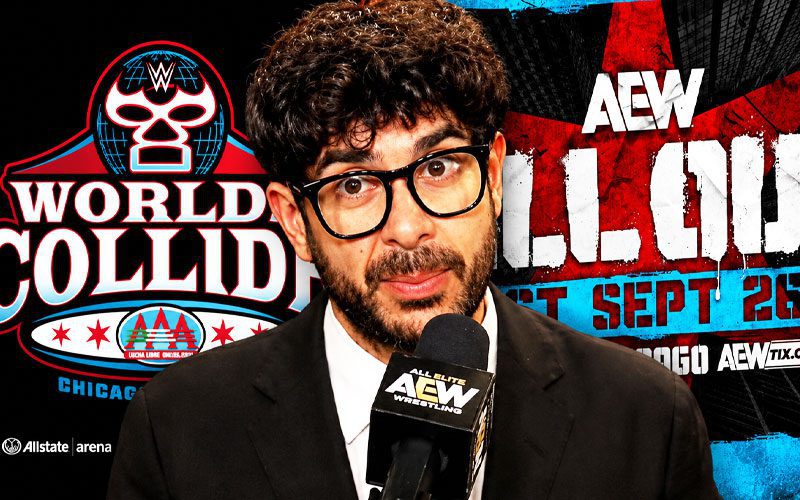
The Tony Khan Booking Crutch
Tony Khan has done a lot of great things for this industry. But over the last two years, he has developed a serious addiction to the video package.
It has become a booking crutch. Whenever a feud lacks organic heat, the solution seems to be throwing dramatic royalty-free music under a black-and-white training montage.
It is an easy out. It saves the wrestlers from having to go out there and deliver a live promo under intense pressure.
But that pressure is exactly what creates massive stars.
Think about the best moments in AEW history. The stuff that made the company feel like a genuine, dangerous alternative. It was raw and it felt totally unscripted.
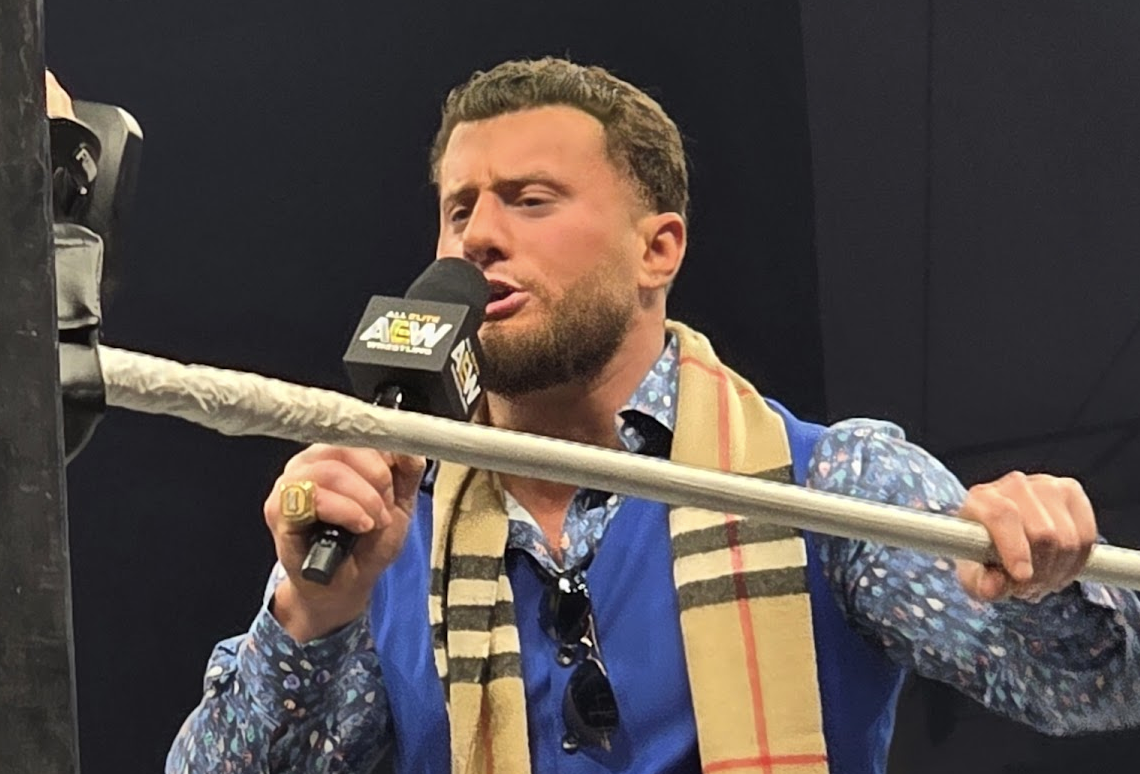
It was Jon Moxley bleeding into a microphone. It was MJF tearing into the local sports team and making the building shake with furious boos.
It was never a slickly produced sit-down interview with perfect three-point lighting.
When you rely on the edit bay to sell your pay-per-view, you are telling the audience that the live product simply isn't enough. You are admitting that the in-ring interactions leading up to this point failed to do the job.
And the worst part is, the fans notice. They feel the energy get sucked right out of the building. A live wrestling crowd is a living, breathing organism that demands to be fed.
The Reality of the March 25 Dynamite
Let's talk specifically about this week's episode. The PWInsider headline literally just read "3/25 AEW DYNAMITE VIDEOS" and that honestly sums up the entire viewing experience.
We saw recaps. We saw highlights of stuff that happened weeks ago. We saw intense stare-downs captured in slow motion.
What we didn't see was a compelling reason to drop our hard-earned cash this Sunday.
Dynasty is a major show. The Kansas City crowd is going to be hot. The matches themselves, bell to bell, will probably be spectacular because that is what AEW does best.
They always deliver in the ring. But the connective tissue is entirely missing. The emotional stakes feel completely manufactured in post-production.
Where was the urgency? Where was the feeling that these wrestlers absolutely despise each other and cannot wait until Sunday to get their hands on one another?
A good go-home show should end with the broadcast team screaming over the chaos as the feed fades to black. It should feel like the wheels are coming off the wagon entirely.
Instead, Dynamite went off the air feeling like a corporate powerpoint presentation wrapping up. It felt like an HR meeting reminding us to tune in on Sunday.
The Cost of Playing It Safe
There is an argument to be made for playing it safe. Injuries happen constantly in this business.
You don't want your top stars tearing a triceps in a meaningless pull-apart brawl four days before the pay-per-view. We have all seen guys get hurt at the absolute worst possible times.
But wrestling is inherently dangerous. You cannot bubble-wrap your roster and expect the fans to invest emotionally.
If you are terrified of your guys getting hurt before Sunday, figure out a safer way to generate heat. Have a live promo battle. Have someone get attacked backstage with a lead pipe.
Do something that feels genuinely dangerous, even if it is completely controlled. A video package is the safest, most sterile way to promote a fight.
Sterile simply does not sell pay-per-views.
This is a recurring issue. We saw the same thing happen leading up to Revolution. We saw elements of it before Full Gear.
Tony Khan needs to realize that his core audience is craving spontaneity. They are craving the feeling that anything can happen on live television.
Right now, the only thing guaranteed to happen is a perfectly timed cut to a pre-taped segment.
The Television Product Suffers
There is also the very real question of television viewership. When you rely this heavily on pre-taped segments, you give the home audience permission to change the channel.
Wrestling fans are completely conditioned to recognize the rhythm of a broadcast. When a video package starts rolling, they know exactly what they are getting. There is zero mystery.
They know the show is taking a breather. They know they can flip over to an NBA game, check the score, and flip back without missing a single punch.
Live, unpredictable television is the only thing keeping the cable industry afloat right now. Wrestling is one of the final frontiers of must-watch live programming. Throwing away that natural advantage to show a recap is a colossal strategic error.
If you want people to stay glued to TBS, you have to convince them that turning away for even sixty seconds means missing history. A video package does the exact opposite.
The Arena Experience is Suffering
Imagine being a fan in that arena on March 25. You paid good money for parking. You bought an overpriced beer.
You bought a t-shirt at the merch stand. You are sitting in your seat, ready to lose your voice screaming for your absolute favorite wrestlers.
And then the lights go out. You think someone is making a surprise entrance. But no. It is just another video package.
The crowd collectively groans. They pull out their phones. They start checking Twitter and replying to group chats.
You have completely lost them. By the time the actual live wrestling resumes, the crowd is totally dead. It is incredibly unfair to the talent who have to go out there and try to wake them back up.
This isn't just a minor gripe. It is a fundamental misunderstanding of what makes professional wrestling actually work on a visceral level.
The magic is in the live interaction. The feedback loop between the performer and the audience is absolutely everything.
When you replace that with a pre-recorded segment, you are severing that connection. You are turning a live event into a movie theater.
Looking Ahead to Kansas City
So, where does this leave us for Dynasty? The show will obviously happen. The wrestlers will work their asses off.
We will likely get a minimum of three matches that cross the four-and-a-half-star threshold, if you care about that sort of thing.
But the journey to get there was an absolute letdown.
The true test of a great promoter is making the fans care deeply before the bell even rings. You want them vibrating with sheer anticipation.
You want them arguing on Reddit and in group chats about who is going to win and exactly how it will happen.
A video package might get a few thousand retweets, but it does not start those intense conversations. It just reminds people that the match is happening.
AEW has the most talented roster in the world. They have guys who can talk circles around anyone else in the industry.
Let them talk. Give them a live microphone. Let them make mistakes out there in the ring.
Let them go slightly over their allotted time. Give the audience something real to sink their teeth into.
Until then, we are just watching a very expensive highlight reel. And frankly, we can get that on YouTube for free.
Read Next
- Why Rush and Darby Allin exposed AEW's biggest booking flaw
- AEW's Dynasty go-home show proved Tony Khan has a massive video package problem
- Why Darby Allin and Rush just stole the show before AEW Dynasty
- AEW's go-home show formula is changing right before our eyes
- ⚡ AEW Dynasty 2026 — Full Coverage Hub