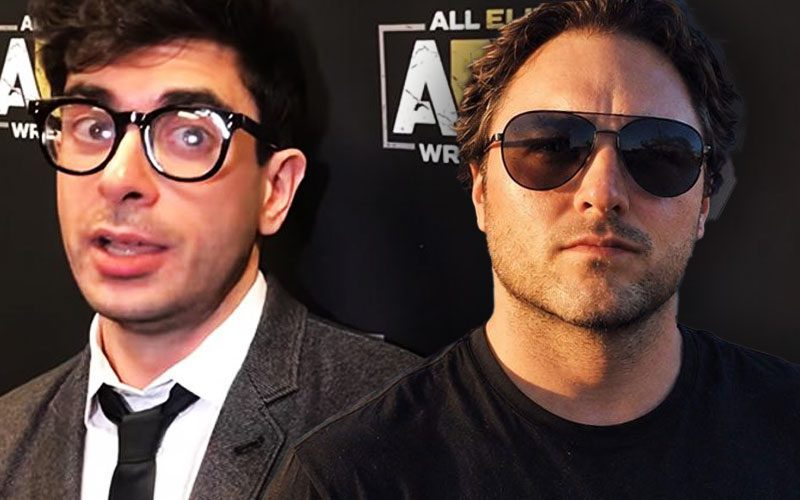
The Architect of AEW’s High-Speed Growth
Tony Khan is the central force driving All Elite Wrestling forward. His management style defines the modern independent-major hybrid, prioritizing open communication and a high volume of programming that frequently draws sharp critique from traditionalists.
1. The Media Scrum Format
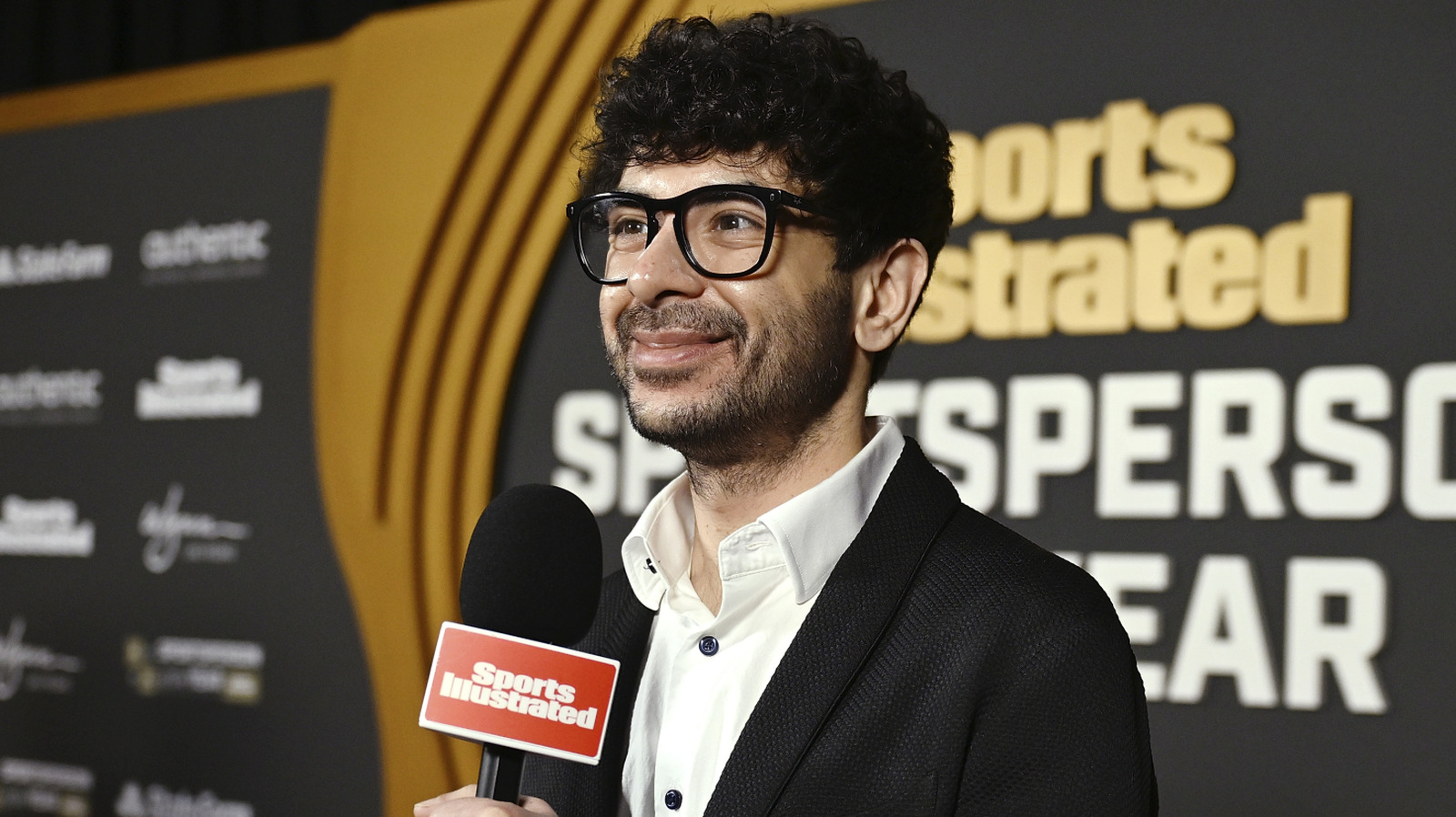
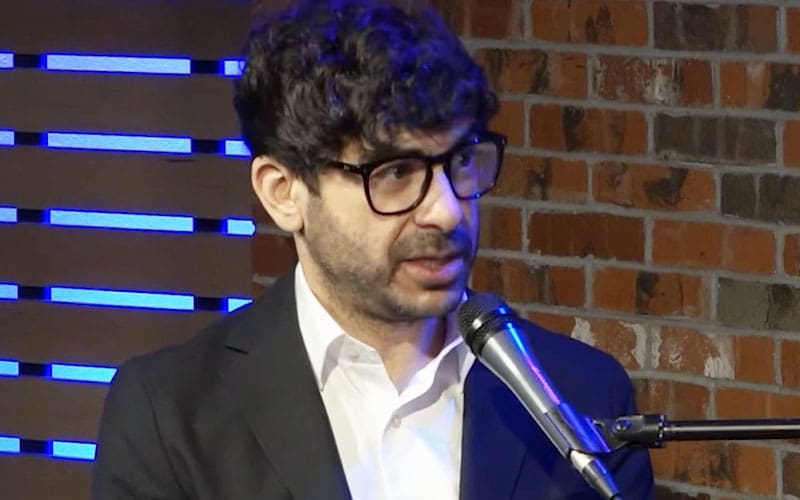
Khan insists that extended post-pay-per-view media sessions are vital to fan transparency. Critics argue these late-night marathons produce little beyond news cycle clutter. Khan views them as an essential connection to his audience. This format secures the top spot because it functions as the clearest window into the promoter's psyche.
2. The Championship Philosophy
Many fans argue that AEW has too many titles but Khan remains unbothered by the sheer volume of gold in play. He argues that more belts create more opportunities for the diverse roster he built. While the belt bloat often dilutes individual prestige, no one can claim there is a lack of narrative movement in his promotion.
3. The Goldberg Relationship
The dynamic between Khan and Bill Goldberg has become a case study in backstage diplomacy. According to reports, Khan feels the Hall of Famer sends mixed signals regarding their relationship. It highlights Khan’s attempts to balance legend management with the internal flow of his own product. This is a delicate PR game that defines Khan’s public-facing persona.
4. Bryan Danielson’s Load Management
The decision to shield Bryan Danielson from a full-time commentary role is a pragmatic move by Khan. As reported by F4WOnline, the physical toll on Danielson is simply too high for him to handle additional weekly responsibilities. Khan’s ability to recognize when a top star needs the bench is a growth indicator for a promoter often accused of overbooking talent. It ranks highly because it demonstrates genuine caution.
5. The Vince Russo Factor
Vince Russo recently claimed there is something wrong with people who dislike Khan, even while admitting he hasn’t watched the show in years. This absurd endorsement highlights how much oxygen Khan consumes in the wrestling discourse. Whether it’s praise or baseless defense, Khan remains the inevitable topic of conversation for industry veterans. It shows his massive cultural footprint, regardless of the quality of the individual critics.
6. The Programming Density
Khan prioritizes wrestling frequency, often stacking cards back-to-back from Tokyo to Boston. This high-octane delivery style captures the momentum he loves but occasionally leaves the audience exhausted. Ranking here signifies the trade-off between constant action and the risk of oversaturation. He never lets a week pass without significant adjustments to the active card structure.
7. Talent Acquisition Strategy
Khan has mastered the art of signing independent darlings, but this has led to a bloated roster. The challenge isn’t securing talent; it is effectively utilizing them. Fans find the lack of weekly time for top-tier names frustrating. This ranking recognizes the efficiency of his expansion, even if the execution often suffers from too many cooks in the kitchen.
8. Managing Internal Criticism
Unlike his predecessors, Khan engages with critics publicly. He doesn’t avoid the noise; he amplifies it through his social media presence. While this makes for great copy on sites like Ringside News, it often creates a defensive appearance. He ranks here because his lack of a filter is both his biggest strength and a noticeable PR liability.
9. Brand Visibility
Khan is his own best pitchman. His presence at media scrums or public appearances ensures the brand name is top of mind. While some argue the owner should remain in the background, Khan’s visibility is a cornerstone of the AEW identity. It keeps the spotlight on the promotion when traditional marketing might fade.
10. Experimental Booking
Khan isn’t afraid to pivot mid-stream if a show doesn’t land. While this makes for inconsistent long-term storytelling, it ensures the weekly television is rarely stale. He ranks last only because this experimental nature can make the product feel disjointed. He is an owner who learns in real-time, for better or worse.
Honorable Mentions
The push to elevate the tag team division, the reliance on high-flying veteran imports, and the recurring attempts to integrate international champions into the fold are all areas where Khan continues to demonstrate his specific vision for the sport.