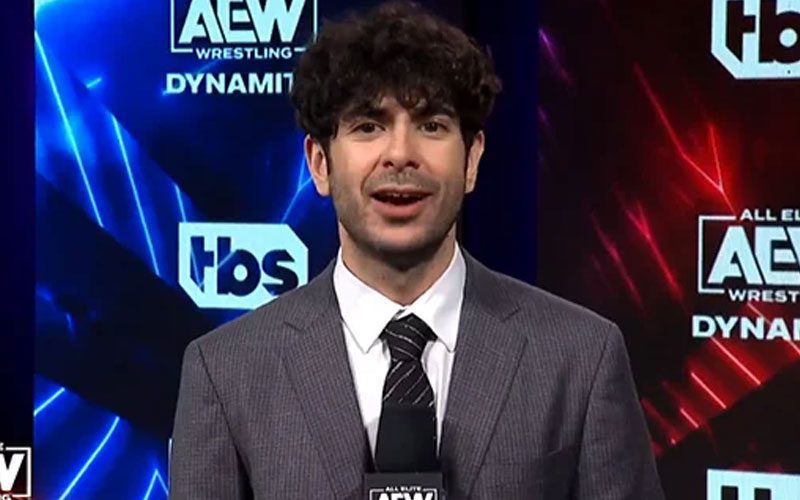
Tony Khan defends the AEW media scrum endurance test
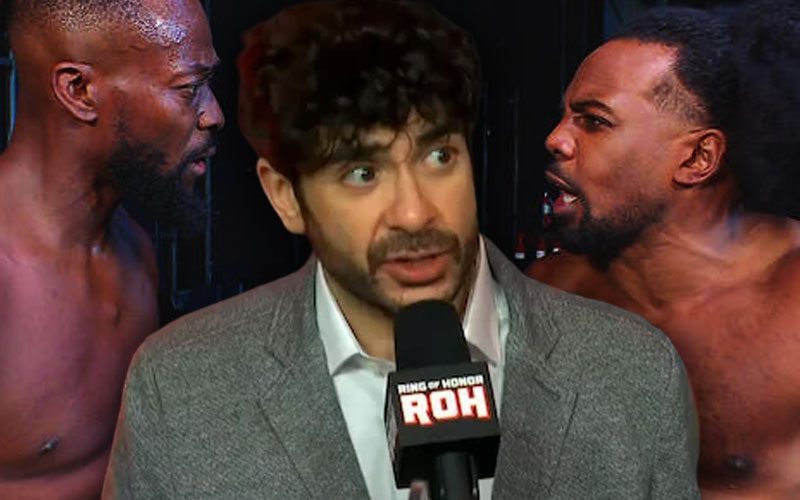
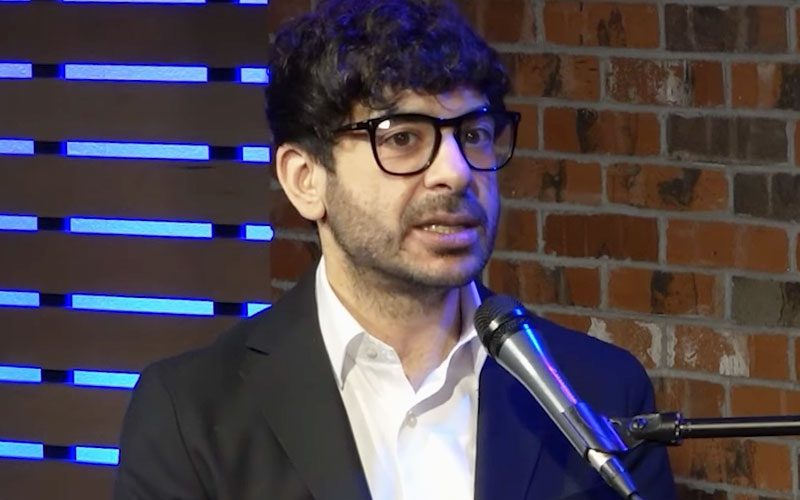
AEW’s post-pay-per-view media scrums have become a polarizing staple in the wrestling industry. Fans and pundits often point to the late-night runtimes as excessive, but Tony Khan remains steadfast in his commitment to the format. He maintains that accessibility remains the primary goal of these sessions, regardless of the toll on the clock or the staff involved.
Khan frames these sessions as a direct line to the audience. He acknowledges the pushback but insists that the transparency afforded by these extended Q&As justifies the fatigue. Whether this approach remains sustainable as the brand expands is an open question, yet Khan shows no signs of tightening the ship.
The championship saturation debate
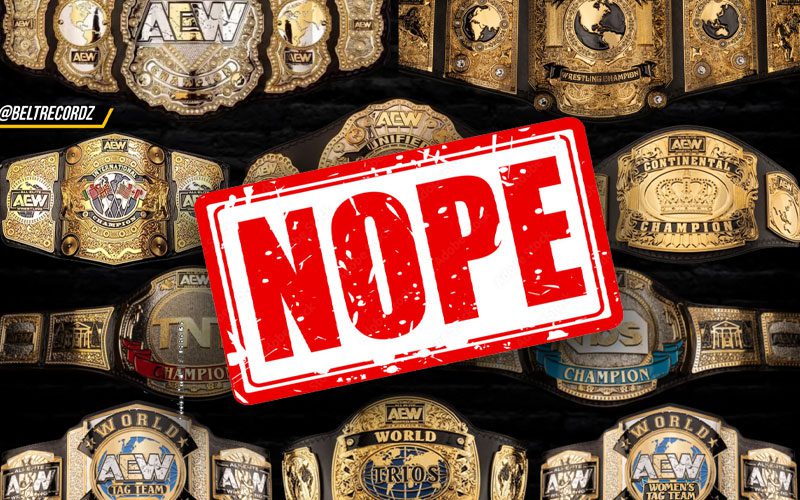
The critique that AEW carries too many belts has followed the company for years. From the world titles to the various specialized championships, skeptics argue that the sheer number of titles dilutes their individual meaning. Khan ignores this chatter entirely, viewing the depth of his roster as a necessity for the championship volume.
This philosophy suggests a fundamental difference in how Khan and his detractors view wrestling gold. To critics, titles represent the peak of a division. To Khan, they represent opportunities for a crowded roster to have something specific to fight for on a nightly basis. It is a high-volume approach that keeps the mid-card active, even if it risks confusing casual viewers.
Goldberg’s communication gap
The relationship between Tony Khan and Goldberg has been subject to immense speculation, often fueled by public comments from both sides. Khan recently confirmed that the WWE Hall of Famer has been sending mixed messages regarding their potential collaboration. While he expressed little interest in escalating a public feud, the friction is palpable.
Given Goldberg's history and his demand for high-profile marquee matches, one must wonder if a deal was ever remotely close. Khan’s reluctance to drag the situation further suggests a desire to avoid another PR headache. The industry is watching to see if this relationship ever moves beyond the hypothetical stage.
Bryan Danielson’s physical toll
The health status of Bryan Danielson is a point of concern for fans and management alike. As reported by F4WOnline, Khan has officially stated that the veteran is too battered for a regular role on commentary. This revelation highlights the wear and tear inherent in Danielson’s high-impact style.
Danielson remains one of the most protected talents in the company, but the reality of his physical condition is catching up to the booking office. Removing him from a recurring commentary role is a necessary step to prolong his viability. Fans hoping to see him in a permanent analytical position will have to wait until his body allows for a permanent shift away from the ring.
Vince Russo’s unconventional take
Vince Russo, often a lightning rod for controversy, recently weighed in on both Sami Zayn and Tony Khan. Russo remains hyper-critical of Zayn’s brief tenure as WWE Champion, insisting the decision to put the belt on him was a mistake. According to Ringside News, Russo sees the choice as proof of a fundamental booking error that he refuses to walk back, despite the 9-day reign ending long ago.
In a bizarre turn, Russo also pivoted to defend Khan, arguing that anyone who harbors animosity toward the AEW head has something "wrong" with them. This is a head-scratching take given that Russo admits he hasn't watched the product in years. If the primary critic of the industry can’t be bothered to view the work, is his praise or condemnation even relevant? It highlights an ongoing industry trend where personal bias often outweighs actual product analysis.
The internal disconnect
"Tony Khan claimed Goldberg sends mixed messages about their relationship."
The quote above underlines the confusion surrounding AEW’s external relations. Whether it is media scrums, title counts, or negotiations with legends, Khan values his own vision over traditional conventions. However, the lack of a clear strategy for talent longevity—exemplified by Danielson’s health issues—is an oversight that needs correcting.
For a company that prioritizes its talent, the reliance on high-impact veterans to drive business creates a fragile model. If Danielson is too hurt to sit at a desk, the reliance on his in-ring performance becomes even more perilous for the long-term health of the promotion. The current strategy is a high-wire act, and the margin for error is shrinking by the day.