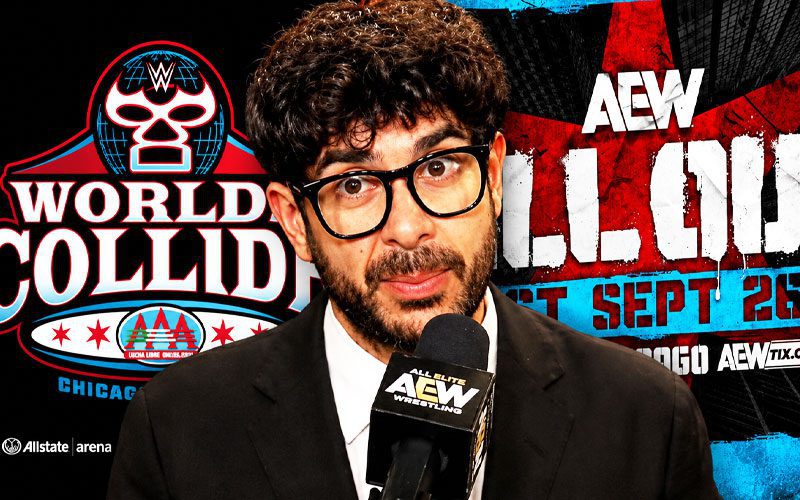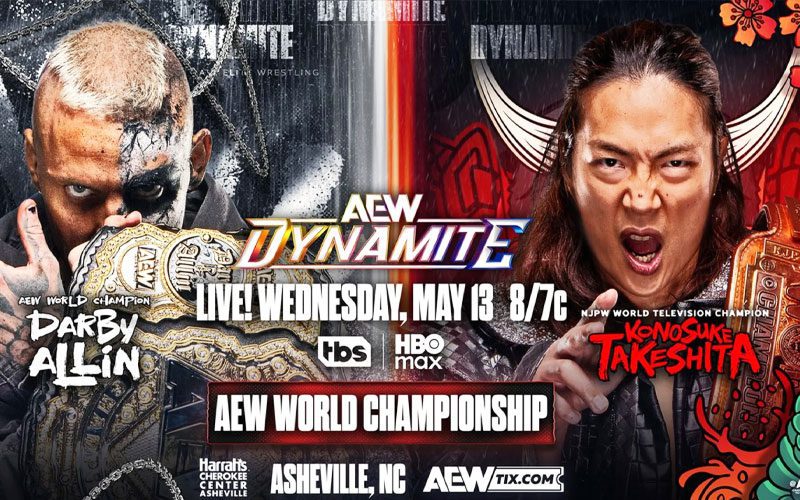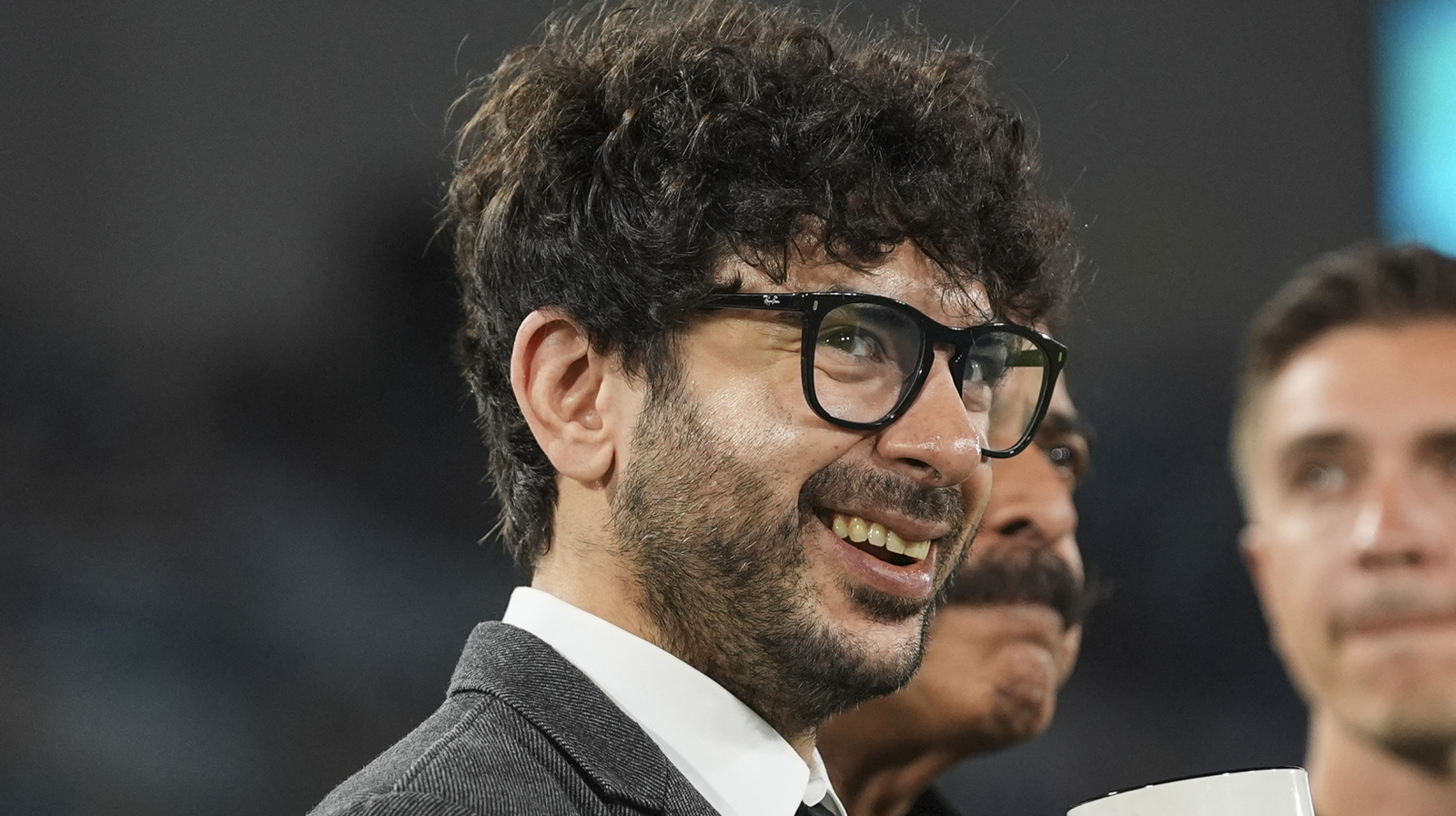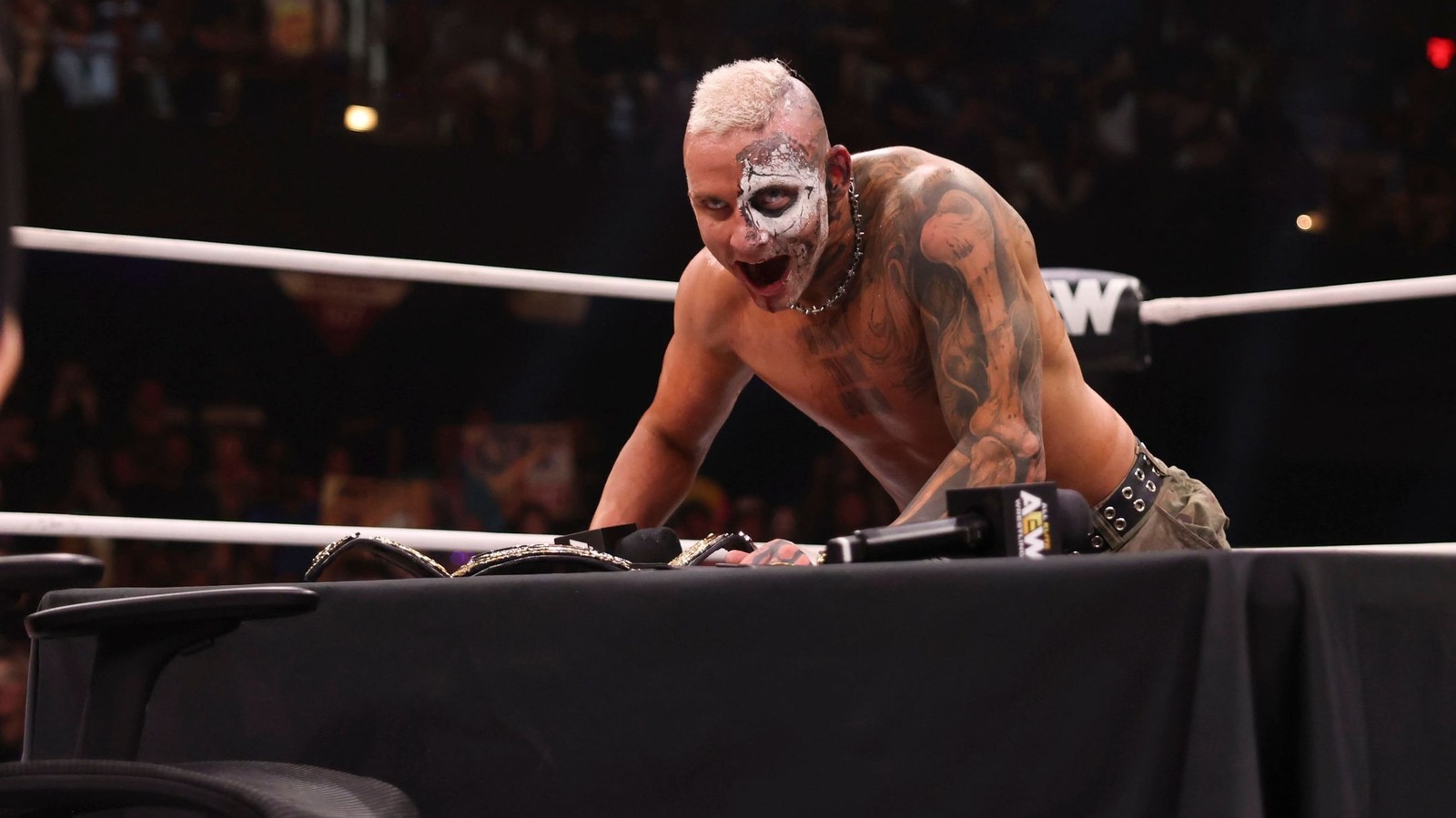
Tony Khan has a pacing problem. We all know it, the locker room knows it, and anyone who watched the May 13 edition of Dynamite knows it. With Double or Nothing 2026 just ten days away, the flagship show felt less like a focused march to a pay-per-view and more like a frantic sprint to fit twenty pounds of wrestling into a ten-pound broadcast.
The post-show autopsy of Dynamite usually falls into a predictable rhythm. You can easily divide the broadcast into things we loved and things we absolutely hated. It is the defining characteristic of modern AEW television. The highs are atmospheric. The lows are baffling.
The Anatomy of a Messy Build
Let’s start with the frustrating part. The build to Double or Nothing has been plagued by the exact same structural issues that have haunted this company for years. We are ten days out from the anniversary event, the show that literally birthed the promotion, and the television product is still rushing through angles that need room to breathe.
When you watch Dynamite, you are often watching a show played on fast-forward. Segments end abruptly. Run-ins happen because the formatting sheet dictates a run-in must happen at 9:14 PM, not because it makes narrative sense. This is the negative observation that no one wants to admit: AEW still treats television like a checklist rather than a storybook.
A review from Wrestling Inc rightfully pointed out the stark divide between the good and the bad on Wednesday night, highlighting "The best and the worst from the May 13 edition of AEW Dynamite." It is a show of extremes. You get thirty minutes of pure, unadulterated professional wrestling perfection, followed immediately by a backstage segment where the audio drops and three people talk over each other.
The Duality of Dynamite
But then you look at the other side of the coin. The things we loved. When AEW clicks, there is simply nothing else like it in North American wrestling. The in-ring product is undeniably spectacular. You can complain about the chaotic formatting of Dynamite all you want, but when the bell rings, the athletes deliver. The work rate is not just good; it sets the standard.
Double or Nothing is looming on May 24. This is not just another Sunday night. This is the cornerstone of the AEW calendar. The pressure on the roster is immense. They are not just competing with other promotions; they are competing with their own ghosts. They are competing with the memory of the inaugural Double or Nothing, a show that felt like a genuine revolution.
As we analyze the final stretch before the pay-per-view, we have to ask ourselves: does the messy television build even matter? History tells us no. History tells us that Tony Khan can book a disastrous month of television, and the moment the pay-per-view starts, the roster will go out and put on a clinic.
It is the ultimate get-out-of-jail-free card. The match quality covers up the creative sins.
The Pay-Per-View Bailout
The year 2026 has been a pivotal one for professional wrestling. The industry is hotter than it has been in decades. Fans are hyper-analytical. They track minute-by-minute ratings, they dissect ticket sales, and they critique the booking with the intensity of film scholars. AEW is under a microscope. Every misstep on Dynamite is amplified.
When a segment flops on a Wednesday night, it dominates the conversation for days. That brings us back to the May 13 episode. The fact that the show can be neatly divided into 'loved' and 'hated' categories is an indictment of its inconsistency.
A great wrestling show should flow. It should build tension logically. Instead, Dynamite often feels like a sketch comedy show where half the jokes bomb and the other half win Emmys. You sit through the awkward, rushed backstage promos because you know that a twenty-minute technical masterclass is coming up next.
So, how does this translate to Double or Nothing? What are we actually anticipating?
We are anticipating a card that will likely run too long. We are anticipating a crowd that will be exhausted by match number eight. But we are also anticipating at least two matches that will be talked about as Match of the Year contenders. That is the AEW bargain. You accept the bloat to get to the brilliance.
Think about the psychology of the athletes heading into May 24. They read the same reviews we do. They know when a Dynamite episode feels disjointed. They feel the energy in the arena. When they get to the pay-per-view, there is a collective chip on the shoulder of the entire roster. They want to prove that the noise doesn't matter.
The pacing of the matches themselves will be fascinating to watch. Will they lean into the high-spot heavy, rapid-fire style that often characterizes Dynamite? Or will they slow down, let the moments breathe, and work a more psychological main event style? Given the critiques of the weekly television, the smartest thing the performers could do at Double or Nothing is slow the pace.
Make the crowd beg for the high spots. Build the drama rather than just supplying the action.
The Elephant in the Booking Room
Let’s address the elephant in the room: the booking of the main event picture. While the specific names and faces rotate, the underlying philosophy remains the same. Tony Khan loves a long-term chase. He loves to make the fans wait for the ultimate payoff. Sometimes, the wait is agonizing.
Sometimes, the television segments leading up to the title match feel repetitive. We saw shades of that on Wednesday night. The repetitive nature of certain feuds is one of the things that easily falls into the 'hated' column.
But when the payoff happens, it is usually spectacular. That is why the anticipation for Double or Nothing is still high, despite a bumpy go-home stretch. Fans are willing to forgive a messy Wednesday if it leads to an unforgettable Sunday.
Look at the mechanics of a typical Dynamite. The picture-in-picture commercial breaks disrupt the flow of matches that deserve uninterrupted attention. The commentary team, while talented, often struggles to keep up with the sheer volume of action happening in the ring. The refereeing can be dangerously loose. These are the things we hate.
Yet, we tune in every week. We tune in for the stiff strikes. We tune in for the intricate counter-wrestling. We tune in because, unlike highly sanitized corporate alternatives, AEW feels raw. It feels slightly dangerous. It feels like anything could happen, even if what happens is sometimes a botched finish.
Double or Nothing requires a different mindset from the viewer. You have to strap in for a four-hour marathon. You have to pace your own emotional investment. If you burn out during the opener, you will have nothing left for the main event.
The roster knows this. The veterans on the card will structure their matches to wake up a tired crowd. The young talent will throw themselves through tables trying to steal the show. It is a beautiful, messy clash of styles and ambitions.
The critical takeaway from the May 13 Dynamite is not that the promotion is failing. It is that the promotion is stubbornly refusing to fix its obvious flaws. They are doubling down on what they do best, and ignoring what they do worst. For a weekly television show, that is a frustrating strategy.
For a pay-per-view, however, that strategy usually works. The flaws of weekly TV—the rushed segments, the poor time management—disappear when you have an entire Sunday night to let the matches breathe.
The Prediction: Chaos and Brilliance
My confident prediction for Double or Nothing 2026? It will be a chaotic, overly long, structurally flawed masterpiece.
There will be at least one booking decision that infuriates the internet. There will be a match placed in the death slot before the main event that features incredible work but gets zero crowd reaction because the fans are burned out. But the main event will deliver.
The biggest stars will step up, hit their cues, and put on a spectacle that justifies the price of admission. The messy build of Dynamite will be forgotten the moment the referee's hand hits the mat for the final three-count. We will complain about the television on Wednesday, and we will praise the pay-per-view on Sunday. That is the cycle. That is the AEW experience.
Read Next
- AEW's late Double or Nothing card updates are tearing the fanbase apart
- Swerve Strickland is playing a dangerous game of patience
- Mark Briscoe is back and AEW’s midcard just got a massive wake-up call
- Tony Khan's tournament obsession returns with the Owen Hart Cup
- 🎲 AEW Double or Nothing 2026 — Full Coverage Hub