The lost art of the go-home show
Grab a drink and pull up a stool, because we need to have a serious conversation about what the hell is happening on Wednesday nights. There was a time when the final television episode before a pay-per-view was the most electric night of the month. You tuned in because someone was getting put through a table, a contract signing was guaranteed to end in a massive brawl, or a world champion was going to make a desperate final plea.
The go-home show used to actually mean something. Now? It feels like we are just killing time until bell time in Kansas City.
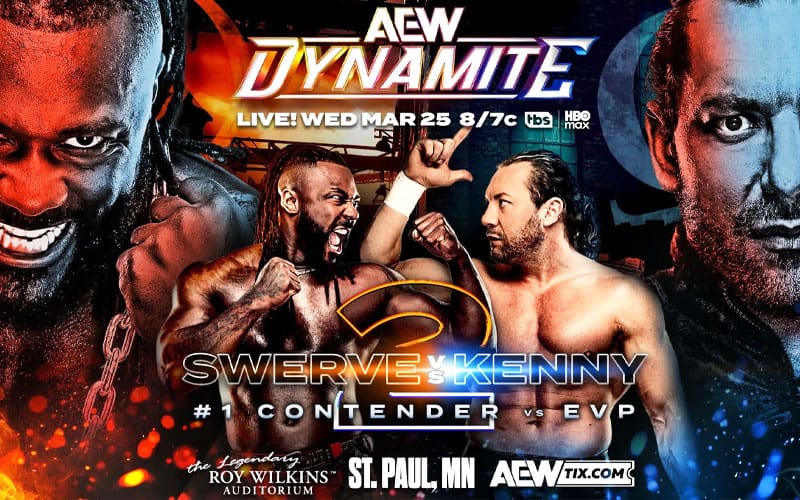
We are sitting here on Thursday morning, exactly four days away from AEW Dynasty at the T-Mobile Center. The March 25 edition of Dynamite is in the books. If you missed the broadcast and just caught the YouTube clips or the PWInsider roundup of the video packages making the rounds online, you honestly didn't miss much. That isn't a knock on the in-ring talent. It is a fundamental flaw in how modern wrestling promotions pace their major events.
AEW has a weird habit of doing all the heavy lifting for their storylines three weeks early, leaving the final Dynamite feeling like a bloated recap episode. We saw it again last night. Instead of raw, unscripted chaos, we got slick production. Instead of a locker room ready to explode, we got tightly edited vignettes designed to remind us why we should spend our money in four days.
Production values can't replace panic
Let's talk about those video packages. The production team deserves a massive raise. AEW's video department has quietly become one of the best in the entire industry. The hype videos look like expensive movie trailers. The lighting is cinematic. The editing is razor-sharp. They can make a mid-card feud look like the main event of WrestleMania.
But professional wrestling isn't supposed to be a movie. It is supposed to be a live sporting event where things go horribly wrong. When every feud is sold through a heavily produced vignette, you lose the grit that made AEW so compelling in the first place.
Think back to the early days of Dynamite on TNT. The chaos felt entirely real. You genuinely believed Jon Moxley might murder someone in the arena parking lot. You believed The Elite were flying by the seat of their pants.
Now, everything feels incredibly sterile. A wrestler cuts a promo in a dark room with a single spotlight. Fast cuts hit the screen. Muffled bass drops rattle the speakers. It looks cool, sure. But does it make you want to buy a ticket to Kansas City? Does it make you want to throw down fifty bucks for the pay-per-view? I am not so sure.
There is a massive disconnect between how a feud plays out on live television and how it is packaged for the final sell. You can edit together three months of mediocre television and make it look like the feud of the decade. But the fans in the building know the difference. The audience watching at home knows the difference. You simply cannot edit out a dead crowd.
The crutch of the backstage interruption
Let's talk about the actual format of the show before we get completely lost in the video package debate. If you have watched AEW television for more than a month, you already know the exact rhythm of a backstage segment. Renee Paquette or Lexy Nair stands holding a microphone. They ask a perfectly reasonable question.
The wrestler gets exactly one sentence out before the camera hastily pans to the left to reveal their opponent walking into the frame. It happens every single week. It happened again on the road to Dynasty. It is an exhausting, lazy trope that completely undermines the realism of the product.
Are we supposed to believe that every wrestler in the company just stands silently off-camera, waiting for their cue to interrupt an interview? It makes the backstage area feel like a poorly directed stage play rather than a chaotic locker room filled with massive egos.
When you contrast these predictable, stilted backstage interactions with the hyper-polished video packages, the tonal whiplash is enough to give you a headache. In the video package, the feud is treated like a blood feud of epic proportions. Then, on the actual live broadcast, the two guys run into each other near catering and trade middle school insults before referees magically appear to separate them.
This is why the go-home shows feel so ridiculously flat. The live components of the broadcast do not match the intensity of the pre-taped hype material. Tony Khan needs to decide what kind of show he wants to produce. You cannot be a gritty, sports-based wrestling product at 8:15 PM and a cinematic, over-produced drama at 8:30 PM. The audience cannot connect with the characters when the presentation constantly shifts back and forth.
The Dynasty problem
AEW Dynasty is a strange event on the calendar. Placed right between Revolution and Double or Nothing, it runs the massive risk of feeling like a B-show. The inaugural Dynasty delivered in the ring, but the build leading into it was widely criticized for feeling rushed.
Here we are in 2026, and Tony Khan seems to be repeating the exact same mistakes. The card for March 30 looks absolutely incredible on paper. You put this massive roster in a ring and ring the bell, and they are going to give you four hours of spectacular professional wrestling. That isn't up for debate. But the connective tissue between the matches is practically nonexistent.
This brings me back to last night's Dynamite. A go-home show needs to be the final hook. It needs to grab the casual viewer by the shirt collar and scream at them to buy the show. Instead, Tony Khan gave us a polite nudge. He essentially said, "Here is a video package. Please tune in on Monday." It is lazy booking disguised as high-end television production.
And let's be honest about the elephant in the room. The roster is way too big. When you have over a hundred contracted talents, trying to squeeze everyone onto a weekly television block—even splitting it with Collision—is completely impossible. The result is a fractured narrative. Guys disappear for a month, show up for a random run-in, and then vanish again until it is time to shoot a hype video for the pay-per-view.
The Kansas City factor
The T-Mobile Center in Kansas City is going to be incredibly loud. The Midwest always shows up for professional wrestling. But the crowd energy is going to depend entirely on the match quality, because the television build hasn't given them much to work with. There are zero deeply personal, blood-feud angles that feel like they absolutely must be settled in four days.
Everything feels purely transactional. Wrestler A wants the belt from Wrestler B. Wrestler C wants to prove they are the best in the world. It is Sports Entertainment 101. But AEW built its brand on being the dangerous alternative. They built their brand on long-term storytelling, deep lore, and massive emotional payoffs.
Where is the emotion heading into Dynasty? It certainly wasn't on Dynamite last night. You cannot manufacture emotion in an editing bay. You can put all the slow-motion black-and-white filters you want on a promo, but if the heat isn't there in the arena, it won't translate on fight night. The video packages that aired on Wednesday were beautiful to look at, but they were entirely empty calories.
The ratings reflect the reality
You cannot talk about the current state of Dynamite without bringing up the television ratings. The numbers are what they are. Every Thursday morning, the internet erupts into a toxic battleground over a few thousand viewers. But the core truth hidden in those Nielsen sheets is that the casual audience does not stick around for heavily produced vignettes.
If someone is flipping channels on a Wednesday night and they land on TBS, they want to see action. They want to see two people beating the hell out of each other. If they land on a three-minute sit-down interview shot in a dark room with dramatic piano music playing in the background, they are going to keep flipping. It is television suicide.
Tony Khan built his rabid fan base by promising an alternative to the overly scripted, micromanaged sports entertainment machine up in Stamford. But right now, his go-home shows feel just as micromanaged. The rebellion is gone. The punk rock ethos that fueled the original Double or Nothing has been replaced by corporate gloss and incredibly safe television formats.
What happens when the bell rings?
Despite all of this complaining, I know exactly what is going to happen in Kansas City. The bell is going to ring at Dynasty, and the talent is going to completely bail out the booking. They always do. Swerve Strickland is going to hit a disgusting House Call from a ridiculous angle. Will Ospreay is going to hit a Hidden Blade into a Stormbreaker and make the arena lose its collective mind.
The tag team division will steal the show for twenty straight minutes. Tony Khan relies heavily on the fact that his locker room is stacked with the absolute best in-ring performers on the planet. He knows he can throw together a lackluster television build, slap a great video package on the go-home show, and the talent will deliver a 9.5/10 pay-per-view. It is a proven, highly successful formula.
But it is also a very dangerous game to play long-term. You can only ask your talent to pull a rabbit out of a hat so many times before the audience stops caring about the magic trick. If there are absolutely no stakes, the match quality eventually stops mattering. We are not there quite yet. AEW still has enough goodwill to coast on pure work rate for a while longer. But the massive cracks are showing.
Look at the ticket sales. The hardcore fan base is always going to show up. They will be in Kansas City on March 30 wearing their Bullet Club Gold shirts and screaming their lungs out. But to grow the brand, to reach the people who aren't reading dirt sheets on a Thursday morning, you need far better television. You need go-home shows that actually matter.
The final verdict on Wednesday night
If you skipped the final Dynamite before Dynasty, you absolutely made the right call. You saved yourself two hours of your life. You can watch the three-minute recap videos on Twitter and be completely caught up on everything you need to know for the pay-per-view. That is a massive, glaring failure of television production.
Professional wrestling is episodic storytelling. When the final episode of a season can be skipped without missing a single beat, the writers have completely failed. The video packages that aired on Wednesday were stunning, professional, and entirely hollow. They were a fancy, high-definition band-aid over a bullet wound of creative stagnation.
I will be watching Dynasty on March 30. We all will. The match card is simply too good to ignore. But my excitement is based entirely on the names on the marquee, not the stories being told. Tony Khan has four days to figure out how to add some last-minute heat to this card, or we are looking at a glorified super-indie show in a major arena.
And honestly, that might be exactly what AEW is right now. A massive collection of the best wrestlers in the world, wrestling fantastic matches, in a total vacuum. It is fun to watch, but it is becoming incredibly difficult to care about. Let's hope Kansas City brings enough noise to make us forget how incredibly boring the road to get there actually was.
Read Next
- Ospreay vs MJF will steal Dynasty, but AEW's tag division is broken
- Thunder Rosa went from a $60k WWE ref offer to AEW's biggest defender
- Why Darby Allin and Rush just stole the show before AEW Dynasty
- AEW's go-home show formula is changing right before our eyes
- ⚡ AEW Dynasty 2026 — Full Coverage Hub