Yesterday's episode of AEW Dynamite had exactly one job. Sell the pay-per-view. With AEW Dynasty landing in Kansas City this Monday, March 30, the television product needed to be sharp, focused, and violent.
Instead, the booking gave us a main event that felt like a car crash in the best and worst ways possible.
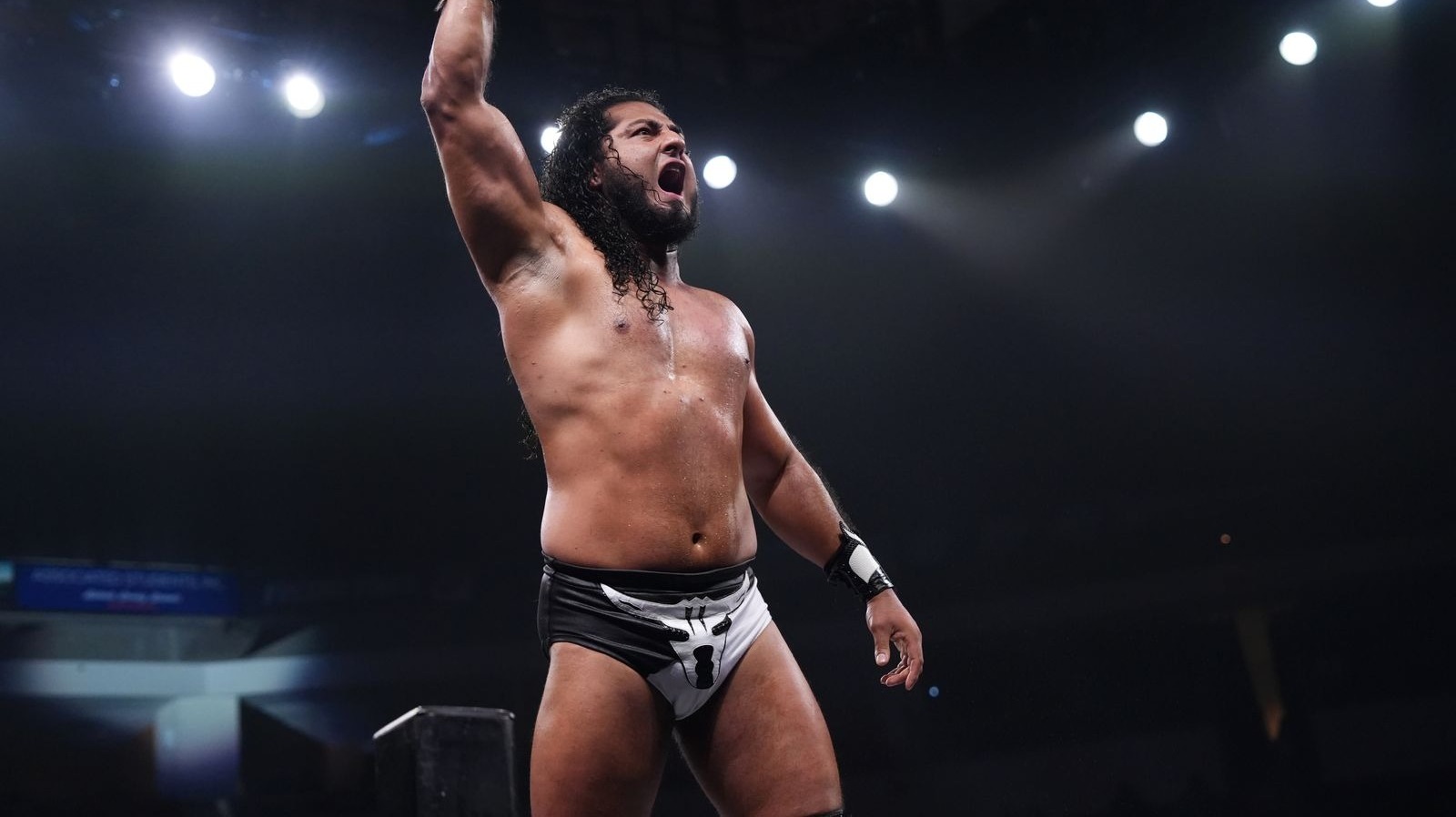
Rush against Darby Allin is not a traditional go-home television match. It is a stylistic nightmare. One man throws his body around like a weapon with no regard for his own skeleton. The other is a massive, charging bull who actively tries to break people in half.
Putting them in the ring together on March 25, just four days before a premium live event, is a massive gamble.
The violence of the go-home show
There is a recurring problem with AEW's television pacing right before major shows. The match quality is undeniably high. But the risk factor is entirely mismanaged.
Rush does not know how to work a safe, paint-by-numbers television main event. He hits the ropes hard. He throws forearms that echo through the arena. When he corners an opponent, he looks like he wants to end their career.
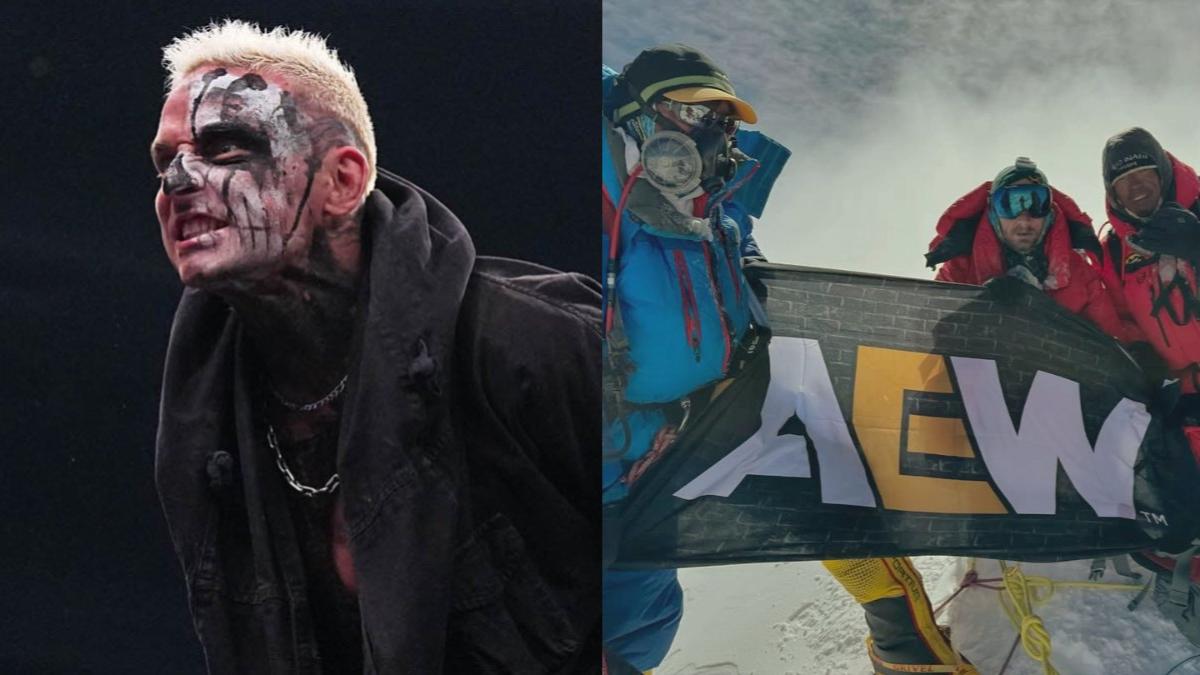
Darby Allin is the exact opposite of a safe opponent for that style. He leans into the strikes. He takes bumps on the ring apron that make orthopedic surgeons wince. We saw exactly that dynamic play out last night on Dynamite.
It was a chaotic, physical main event. But you have to ask why this match happened yesterday. If Darby has a marquee spot at Dynasty, letting him take Rush's offense for a prolonged television main event is terrible asset management. The match ruled. The timing was highly questionable.
Go-home shows should build heat. They should rely on angles, promos, and short, explosive brawls that get broken up by security. Having a grinding, punishing match right before the pay-per-view feels counterproductive.
It leaves the audience exhausted. More importantly, it leaves the wrestlers exhausted. Darby looked like he had been through a meat grinder by the time the broadcast ended.
Stylistic clash and ring positioning
Let's talk about ring geometry. Most modern wrestlers work corner-to-corner. They run the ropes linearly. Rush works on angles.
He cuts the ring in half. When Darby tried to bounce off the ropes for a springboard arm drag, Rush didn't wait to catch him. He stepped forward and intercepted Darby in mid-air. That is high-level spatial awareness.
It neutralizes speed. If you take away the runway, you take away the high-flyer's primary weapon. Rush understands this better than almost anyone on the roster. He outweighs his opponent by over 50 pounds, and he uses every ounce of it.
Darby's entire offense is built on finding a runway. The Coffin Drop requires him to ascend the turnbuckle, turn his back, and fall blind. It is a move based on ultimate trust and ultimate disregard for safety.
To set it up, Darby usually needs a stunner or a Code Red to buy himself five seconds. Rush refused to give him those five seconds. Every time Darby created separation, Rush threw a stiff forearm to close the distance.
This forced Darby to fight an ugly, grinding match. We saw him trying to apply submission holds against a guy who is significantly wider and stronger. It was desperate. It was gritty.
At one point, Rush trapped Darby against the barricade on the outside. He didn't just throw him into the steel. He repeatedly drove his shoulder into Darby's ribs, grinding the bone against the metal. That is the kind of detail that sells a fight.
Rush's finishing sequence, the Bull's Horns, requires him to sprint from the opposite corner and crush his opponent in the turnbuckle. He stalked Darby the entire match to set that up. It wasn't just spots for the sake of spots. It was a methodical dismantling of a smaller opponent. Darby survived, because surviving is his entire gimmick. But the damage was done.
The mixed bag of Wednesday night
The main event was a perfect microcosm of the entire episode. The Wrestling Inc review of the broadcast correctly pointed out that this episode was deeply polarizing. We saw three things to absolutely love, and three things that were infuriating.
The pacing of the broadcast felt completely disjointed. You cannot follow a blood-feud promo with a comedy match. The tonal whiplash takes the crowd right out of the building.
We saw this happen repeatedly. A serious, main-event caliber segment would immediately cut to a backstage skit that belonged on a YouTube vlog. It undercuts the tension.
If you are trying to sell a premium live event that costs exactly $49.99, the television show needs to feel serious. The stakes need to feel high. Comedy has its place in wrestling, but not four days before your biggest show of the spring.
Tony Khan has a bad habit of trying to please everyone at the same time. He wants the hardcore wrestling fan. He wants the casual viewer. He wants the comedy fan.
When you try to book for everyone, you end up booking a disjointed mess. The segments that worked last night were phenomenal. The segments that missed were completely skippable.
That inconsistency is AEW's biggest hurdle right now. The in-ring product is untouchable. The narrative glue holding the matches together is incredibly fragile.
You shouldn't need a spreadsheet to figure out why two guys hate each other. The motivations should be clear. In the case of Rush and Darby, the motivation was simple: violence. But for the rest of the card, the storytelling needs tightening.
Looking ahead to Kansas City
AEW Dynasty is officially four days away. The Kansas City crowd is going to expect a masterpiece. The card is loaded, but the physical toll of this week's Dynamite cannot be ignored.
Darby Allin is not going to magically heal by Monday. He took serious punishment. Rush made sure of that.
This is where the booking philosophy gets frustrating. You want fans talking about the promos, the stare-downs, the tension. Instead, we are talking about whether Darby's neck is still in one piece.
It creates a nervous energy heading into the weekend. Fans aren't just excited for the matches. They are actively worried about the health of the talent.
If Darby competes on Monday, he will likely be taped up. He will sell the ribs. He will sell the neck. That adds drama to the match, sure. But it also limits what he can physically do.
Rush, meanwhile, proved he should be consistently featured in main events. He is a legitimate monster. He doesn't need a title to feel important. He just needs a victim.
Prediction for Dynasty
Monday night in Missouri is going to be a proving ground. AEW needs this pay-per-view to be a massive commercial and critical success.
I expect the in-ring action to be phenomenal. It always is. The roster takes too much pride in their work to phone it in on a major stage.
Here is what AEW needs to execute on Monday:
- A concise, fast-paced opening bout to hook the crowd immediately.
- Strict time limits on the undercard to prevent a four-hour slog.
- A definitive, clean finish in the main event with zero run-ins.
But the pacing of the show will be the real test. Will they give the matches room to breathe? Or will they rush from bell to bell like they often do on television?
Tony Khan needs to realize that his audience is sophisticated. They understand the difference between a great match and a great story. Right now, he is giving them great matches while completely ignoring the story.
If the Dynasty main event ends in a cluster of run-ins, the crowd will turn. Kansas City does not have patience for cheap finishes. They are paying top dollar to see definitive winners and losers.
My prediction is simple. The undercard will steal the show. The main event will feature heavy interference. And Tony Khan will spend the post-show press conference defending his formatting choices.
AEW Dynasty will deliver on the violence. Whether it delivers on the logic is entirely up in the air.
That is the reality of modern wrestling. We tune in for the chaos. We just hope it makes sense when the dust settles.
One thing is certain. Rush left a mark on Darby Allin. And he left a mark on the fans heading into Monday night.
Read Next