AEW Dynasty is relying on dream matches to mask a glaring creative habit
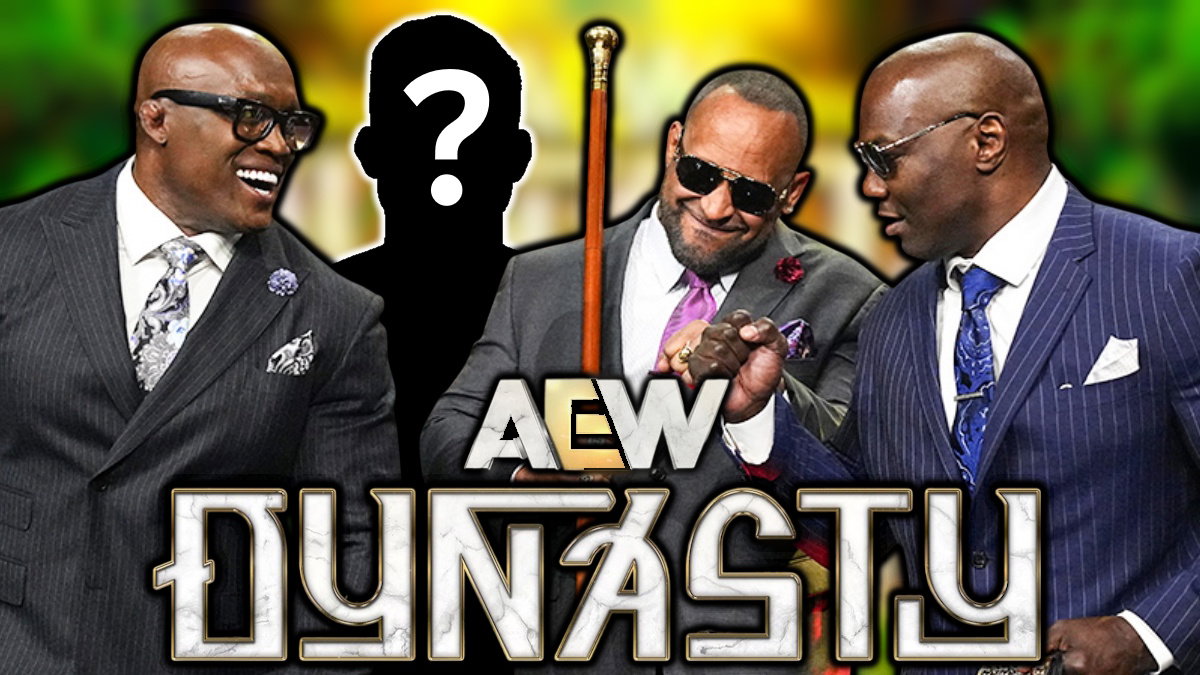
The Kansas City Pivot
We are exactly three days away from AEW Dynasty, and the promotion has backed itself into a very familiar corner. The March 30 pay-per-view in Kansas City is loaded with the kind of in-ring talent that makes diehard wrestling fans salivate. You look at the marquee and see names that guarantee a massive baseline of match quality.
But dig a little deeper into the build, specifically the March 25 episode of Dynamite in St. Paul, and a recurring structural problem rears its head.
AEW is leaning far too heavily on the sheer shock value of fresh matchups rather than cohesive, deeply rooted narrative threads. WrestleTalk has already spent the week speculating about who might return this Sunday. We just saw Adam Copeland, Christian Cage, and Kenny Omega all make high-profile reappearances at Revolution earlier this month.
Now, the hype machine is demanding more blood, more surprises, more pops. When you constantly condition your audience to expect a surprise debut or a shocking return, the actual wrestling starts to feel like a preamble to the post-match angle.
Dynasty has phenomenal main-event level bouts booked. It should not need a shiny new toy to sell the broadcast. It should rely on the incredible athletes already on the poster.
The Dynamite Setup in St. Paul
To understand where Dynasty is going, you have to look at the taping from the Roy Wilkins Auditorium. The St. Paul crowd was hot, and AEW gave them a heavily stacked card to set the table for Sunday.
The standout moment was undoubtedly the television main event between Kenny Omega and Swerve Strickland. According to PWTorch, this bout was the direct catalyst for setting up MJF versus Kenny Omega at Dynasty for the AEW World Championship.
Omega returning to the world title picture is a significant move. He is the foundational ace of the promotion. Putting him against MJF, the definitive generational heel of AEW, writes itself.
But the way they got there felt rushed. Omega and Swerve went out and had a grueling, incredibly physical match on free television. Swerve pushed Omega to the absolute limit, hitting his heavy strikes and forcing Omega to dig deep into his repertoire.
During that match, you could see Omega shaking off the last remnants of ring rust. His snap dragon suplexes lacked a tiny bit of their usual velocity in the opening five minutes, but by the ten-minute mark, he was firing on all cylinders.
Swerve targeted the back and neck, softening Omega up in a way that MJF will surely exploit on Sunday. The post-match angle, where MJF confronted an exhausted Omega to cement the Dynasty main event, was effective but highlighted the compressed timeline. We have had barely any time to let this feud breathe.
MJF vs. Kenny Omega: The Tactical Breakdown
Despite the rushed build, the tactical reality of MJF defending against Omega is fascinating. MJF relies on ring psychology, working over a specific body part, and finding shortcuts.
He is methodical, willing to slow the match down to a crawl to frustrate his opponent and the crowd. Omega, conversely, relies on explosive speed, the devastating V-Trigger, and an unbreakable competitive will.
MJF will have watched the Dynamite tape taking meticulous notes. Omega’s neck and shoulders are always the prime target. If MJF locks in the Salt of the Earth armbar early, it completely neutralizes Omega's ability to hit the One-Winged Angel.
Omega needs a healthy base and strong shoulders to lift a 220-pound man onto his shoulders for his finish. Take away the arm, and you take away the kill shot.
This match is compelling because MJF rarely wrestles the kind of hyper-athletic sprint that Omega prefers. MJF taunts the crowd. He breaks the rules on the apron. He feigns injuries to draw the referee in.
Omega will have to force MJF into a track meet. If Omega can push the tempo, hit the ropes hard, and string together his signature knee strikes in the corners, MJF will eventually panic. When MJF panics, he makes mistakes.
He abandons his game plan and goes for high-risk maneuvers he is not comfortable executing. Omega’s path to victory lies in cardio and pace. If he lets MJF dictate the rhythm, he will spend twenty minutes trapped in submission holds.
If he turns it into a chaotic brawl on the outside, he takes MJF out of his comfort zone. The wild card is the sheer desperation of MJF. He views the AEW Championship as his personal property.
He has cheated, lied, and betrayed everyone to keep it. Omega is a pure wrestler who wants to win on merit. That philosophical clash usually results in the heel resorting to a low blow or a weapon when the referee is distracted.
Moxley vs. Ospreay: The Art of the Clash
Let us talk about the other massive match on the card. Jon Moxley against Will Ospreay is the exact kind of stylistic clash that justifies a pay-per-view price tag.
BodySlam reported the official confirmation earlier this week, and it immediately anchored the Dynasty lineup.
Ospreay has been operating on a ridiculous level since officially joining AEW. His footwork is razor-sharp, his transitions are seamless, and he rarely wastes a single motion. But Jon Moxley is the perfect antagonist for that slick, polished style.
Moxley does not care about your flawless transitions. He wants to drag you into deep water, split your forehead open, and grind his forearm into your orbital bone. Tactically, Ospreay needs to maintain a strict distance.
If he gets caught in the corners or tied up in the ropes, Moxley will eat him alive with elbows and clubbing blows to the back of the neck. Ospreay’s success usually comes from his ability to string together high-impact offense without giving his opponent time to breathe.
The OsCutter and the Hidden Blade require space and momentum. Moxley’s counter to this is pure attrition. Look back at his recent big pay-per-view outings. He absorbs punishment not just to show toughness, but to lure faster opponents into a false sense of security.
When Ospreay goes for a springboard attack, Moxley is going to step inside the arc and look for a sudden Death Rider. It is a classic striker-versus-brawler setup.
However, the critique remains the same. The match itself will undoubtedly be excellent, but how quickly it was thrown together is frustrating. This is a marquee bout that deserves a three-month build. It deserves contract signings, pull-apart brawls, and intense promos.
Instead, it feels like it was rushed onto the Dynasty card primarily to ensure a high star rating from critics. It will deliver bell-to-bell, but the emotional stakes are significantly lower than they could have been with proper planning.
The Women's Division Takes Center Stage
Elsewhere on Dynamite, we saw Thekla take on Mina Shirakawa for the Women's Title. This is a deeply refreshing direction for the division.
Shirakawa has an undeniable charisma, and her submission game is highly underrated by Western audiences. Thekla brings a hard-hitting, joshi-infused aggression that translates perfectly to American television.
Their match in St. Paul was incredibly physical and stiff. It was exactly what the title needed at this juncture. There was no outside interference, no convoluted backstage segments leading into it, and no nonsense.
It was just two women hitting each other very hard to prove who is the better competitor. AEW has notoriously struggled to book its women's division with the same consistent urgency as the men's side.
Giving Thekla and Shirakawa serious time to tell a story between the ropes is a massive step in the right direction. Shirakawa targets the legs beautifully. She uses precise kicks to chop down her opponents before applying complex submission holds.
Thekla answers with sheer velocity, throwing herself into lariats and running strikes. The contrast in their approaches made for compelling television, and it elevated the prestige of the championship immensely.
Midcard Chaos with Allin and Rush
We also have to acknowledge the chaotic brawl between Darby Allin and Rush. Rush is a bully in the truest sense of the word. He thrives on chaos, disrespect, and overwhelming his opponents with raw power.
Darby Allin, on the other hand, is a masochist who treats his own body like a blunt instrument. The post-match chaos reported by PWTorch following their bout on Dynamite was entirely predictable, but in the best way possible.
Allin throwing himself blindly at Rush, absorbing suplexes onto the exposed concrete floor, and refusing to stay down is great television. It sets up a gritty, violent midcard feud that contrasts perfectly with the polished athleticism of an Ospreay or an Omega.
A wrestling card needs variety. You cannot have five matches that are all technical masterclasses. You need different flavors on the show. Allin versus Rush provides pure, unfiltered violence.
The Debut Addiction
But we have to circle back to the core creative issue plaguing AEW as we approach March 30. Tony Khan cannot seem to resist the allure of the new debut. Rumors are swirling heavily about even more arrivals at Dynasty.
WrestleTalk published a piece literally titled '8 Debuts At AEW Dynasty 2026'. That headline alone is a damning indictment of the current creative philosophy.
When you debut eight people, or even four people, on a single show, you dilute the impact of every single one of them. Think about the massive pop when Adam Cole and Bryan Danielson debuted on the exact same night at All Out a few years ago.
It was a historic moment. But you cannot replicate that magic by simply throwing more bodies at the wall every single month. The AEW roster is already bloated to an extreme degree.
We have incredibly talented wrestlers struggling to get television time on Collision or Rampage. Bringing in more free agents to pop a cheap rating or get a quick trending topic on social media is a short-term strategy with severe long-term consequences.
It breeds resentment among the locker room and exhausts the audience. A debut should be a carefully orchestrated event. It should disrupt an existing storyline and immediately give the new arrival a very clear purpose.
Showing up, pointing at a champion on the stage, and having a silent stare-down is a tired, lazy trope. AEW has relied on it far too often in recent months.
The Roster Crunch
If Tony Khan continues this aggressive hiring spree heading into Kansas City, he has to answer a very basic logistical question. Where does everyone fit? A wrestling promotion only has a finite amount of television time each week. Dynamite is two hours. Collision is two hours. Rampage is a single hour.
When you continuously bring in high-priced talent, you are inevitably pushing established, loyal roster members down the card. We have seen homegrown AEW talent vanish from television for months at a time because there simply are not enough minutes to go around.
This creates a bottleneck. If you bring in four new stars at Dynasty, those are four spots on Dynamite that someone else loses. The audience forms connections with wrestlers who are on their screens every week. When those wrestlers disappear to make room for the flavor of the month, the emotional investment of the audience wanes.
It is a dangerous cycle. You pop a rating with a debut, but you erode the foundational trust of your core viewership. The fans start to view the roster as disposable. AEW needs to focus on maximizing the incredible talent they already have under contract, rather than constantly chasing the high of a surprise appearance.
What Dynasty Needs to Be
Dynasty in Kansas City has the absolute potential to be the best in-ring show of the entire calendar year. The raw talent involved in the Moxley-Ospreay and MJF-Omega matches is staggering.
The undercard has genuine heat with Allin and Rush tearing each other apart. The Women's Title picture feels fresh and dangerous. But the execution on Sunday has to be flawless.
Tony Khan needs to trust his established stars to carry the weight of the pay-per-view. Let Moxley and Ospreay beat the absolute hell out of each other for thirty minutes.
Let MJF and Omega tell a masterful, drawn-out story of classic heel work against fighting spirit. Let the actual wrestling be the primary selling point. If the main takeaway from Dynasty is simply who walked through the curtain at the end of the night, then AEW has failed to capitalize on the matches they actually promoted.
The company was founded on the promise of an alternative, sports-centric presentation. It is time to aggressively get back to that core principle. Stop looking for the next shiny object.
Stop relying on the pop of an entrance theme from a former WWE guy. Book the matches, tell the stories, and let the bell ring. That is how you build a lasting legacy. The pieces are all right there on the board. Now it is just a matter of putting them in the right places.
Read Next
AEW Unrivaled Collection Series 15 - Will Ospreay Action Figure
The first-ever AEW figure for the 'Aerial Assassin,' featuring his signature ent
More Coverage
Top 10: AEW Defining Moments of the Modern Era
1 day, 10 hours ago
Simon Gotch and Billy Gunn are about to show the cost of staying in the ring
1 day, 12 hours ago
Top 10: Defining Pro-Wrestling Moments of Early 2026
1 day, 16 hours ago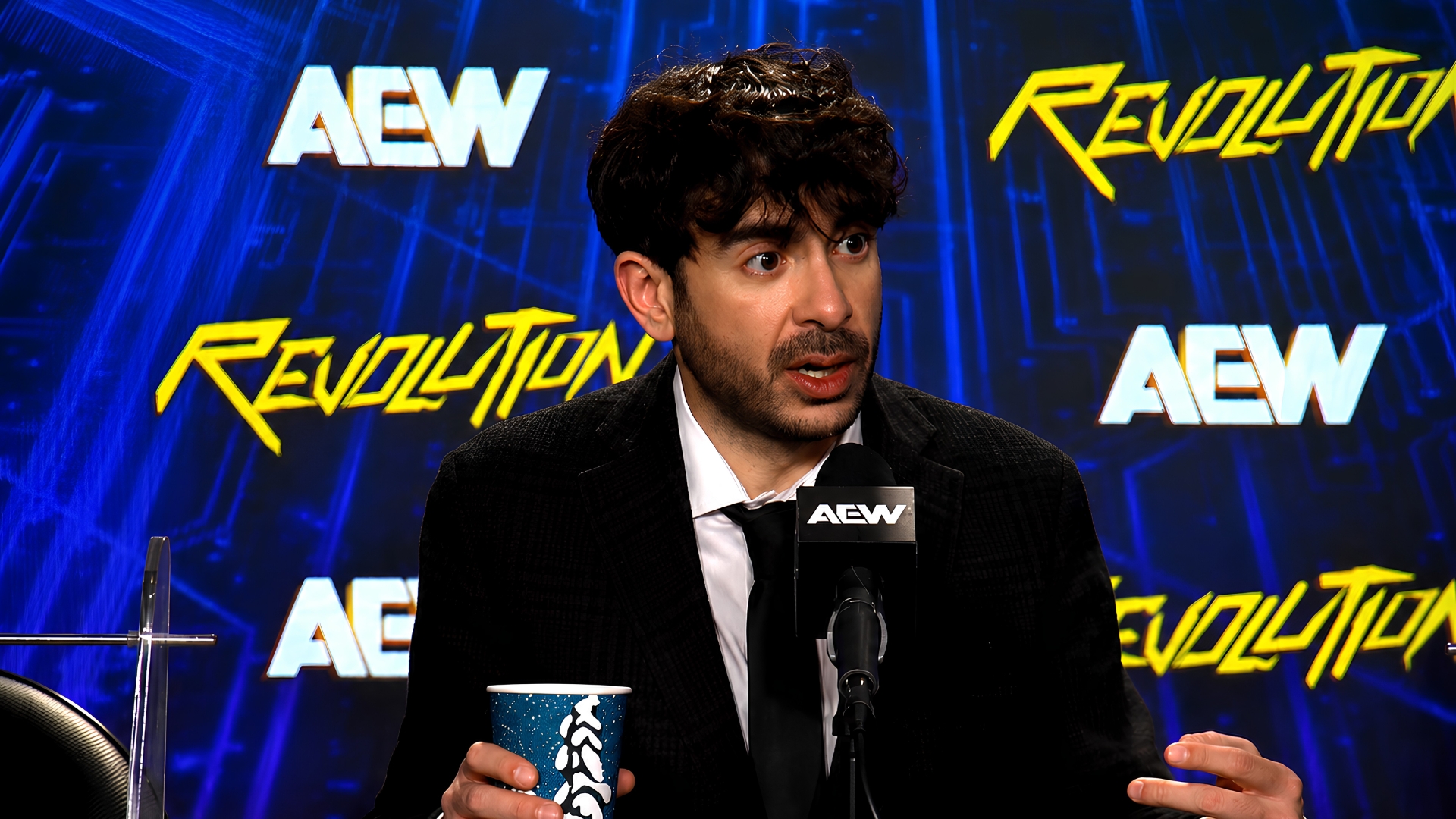
Why the Wrestling Hall of Fame conversation keeps getting messy
2 days, 4 hours ago
The end of the wrestling bidding war era
2 days, 9 hours ago
Layla Diggs arm injury highlights a massive week of wrestling health updates
3 days, 6 hours agoMore Analysis