Life After the Machine
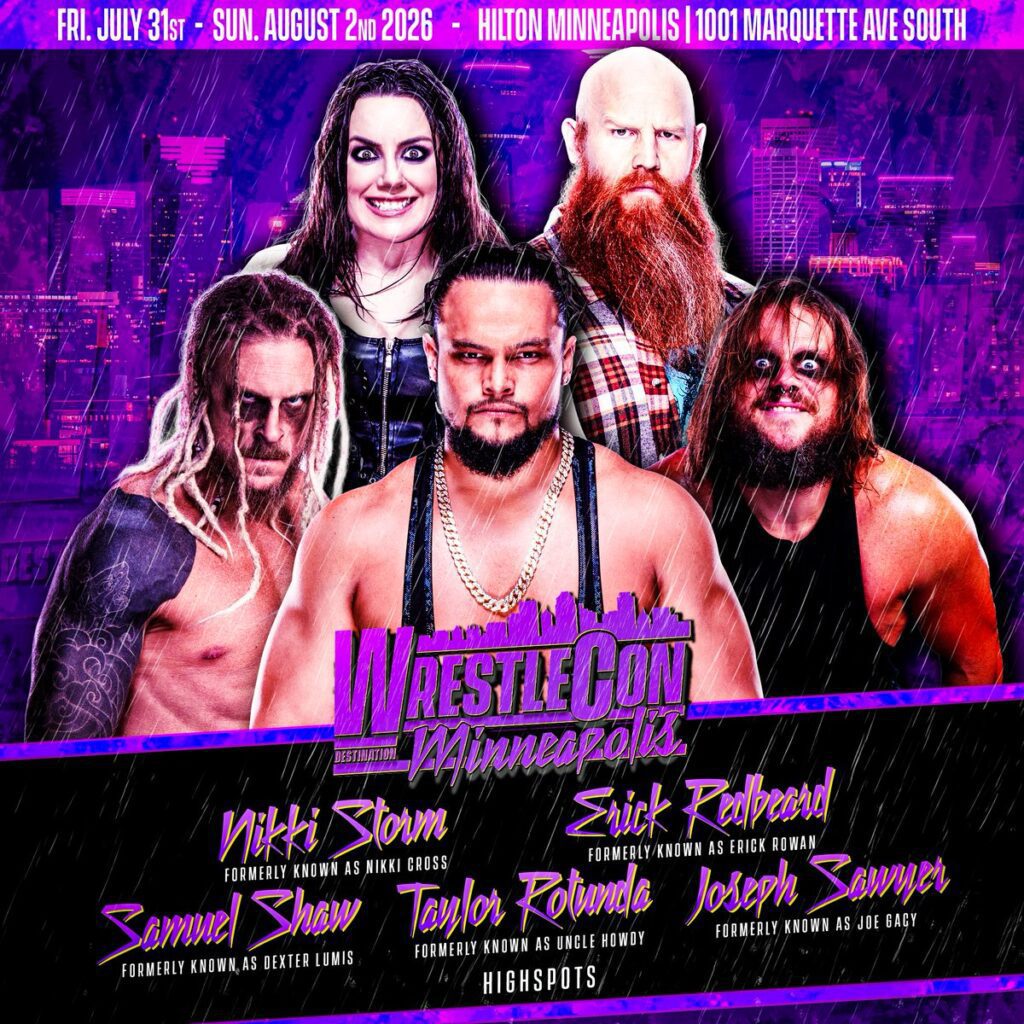
The Wyatt Sicks are stepping out from under the corporate umbrella. WrestleCon is officially their first destination since WWE unceremoniously handed them their release papers.
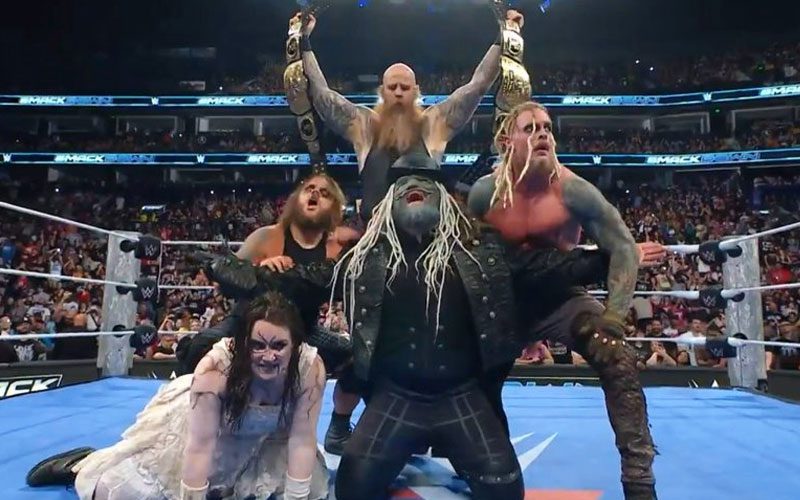
It is jarring to type that. Less than two years ago, the group felt like the most protected act on Monday Night Raw. They debuted with a literal massacre in the backstage area. There was smoke, piano music, and a lingering sense of dread. Now, they are navigating the chaotic, unscripted world of independent wrestling conventions.
The transition from WWE's highly sanitized production environment to the harsh fluorescent lights of a convention hall is notoriously brutal. For a stable entirely dependent on atmosphere, lighting, and theatrical timing, this upcoming appearance is the ultimate stress test. You cannot rely on a sudden blackout to pop the crowd when you are sitting two tables down from a mid-90s midcarder selling 8x10 glossies.
They are entering a completely different business model. In WWE, your merchandise is printed and shipped by a massive corporate division. Out here, you are hauling boxes of t-shirts in the back of a rental car. The aura has to come from the performers themselves, not the arena speakers.
The WWE Exit No One Saw Coming
Let’s be honest about their WWE run. The initial execution was brilliant. Taylor Rotunda poured his soul into the Uncle Howdy character. It was a raw, visceral tribute to his late brother, Windham.
When Erick Rowan walked out holding that lantern during their debut, the emotional weight in the arena was heavy. The crowd bought in immediately. The QR codes, the glitching television screens, the VHS tape aesthetics—it all worked perfectly to build anticipation.
But the wheels started falling off as the months dragged on. WWE never quite figured out how to book a supernatural stable in a post-Bloodline era that values sports-based realism. The backstage attacks on Chad Gable were cool, but eventually, the bell has to ring.
When it did, the matches often felt disjointed. You would have this terrifying, horror-movie entrance, and then they would wrestle a completely standard, rest-hold heavy television match. Uncle Howdy hitting a predictable neckbreaker at the 12-minute mark does not inspire fear. It breaks the illusion. They failed to adapt their move-sets to their characters. A supernatural monster shouldn't be working a side headlock for three minutes to build to a commercial break.
The booking backed them into a corner. You can only stalk the Alpha Academy for so long before the audience gets restless. The mystique faded. Once the mystery was gone, they became just another faction fighting for TV time, eventually finding themselves relegated to secondary storylines and shortened segment times.
Their release was still a shock. You assume a project with that much emotional backing gets a longer leash. But from a purely logistical standpoint, you could see the creative team running out of ideas. They booked them into a corner and then fired them instead of writing a way out.
The Mechanics of a Spooky Tag Team
There is a fundamental problem with booking supernatural gimmicks in tag team wrestling. Tag team psychology is built entirely around sympathy. The face gets isolated, takes a beating, and the crowd rallies behind them for the hot tag. How do you isolate a demon?
WWE never solved this problem with Gacy and Lumis. When they wrestled, the structural pacing collapsed. Gacy would take a suplex and pop right back up, which is great for a monster spot. But when you do that three times a match, you completely kill the heat. The audience has no reason to rally behind a team that doesn't feel pain.
On the independent scene, they will have the freedom to restructure their matches. They do not have to follow the standard WWE formula. They can work chaotic, tornado-style brawls where the rules are ignored from the opening bell. If they want to survive outside the corporate machine, they need to abandon traditional tag psychology completely. Turn every match into a street fight.
Stripping Away the Production
WrestleCon is going to force the group to adapt immediately. They are no longer characters in a television show. They are independent contractors trying to move merchandise and secure bookings. This is where the individual talent of the group has to shine.
Joe Gacy is not a stranger to this world. Before he was wearing a mask on Raw and doing eerie voiceovers, he was bleeding in Combat Zone Wrestling. Gacy knows how to work a gritty, unpolished room. He spent years mastering the art of making an audience uncomfortable without a script. He doesn't need a fog machine. He can do it with a microphone and a violent streak.
Sam Shaw, known to WWE fans as Dexter Lumis, is in a similar boat. He built his entire reputation on character work in TNA as the creepy, stalker artist long before WWE even called. The dead-eyed stare works just as well in a 500-seat armory as it does in a packed stadium. Shaw understands pacing better than almost anyone in the stable. He knows when to stall, when to creep, and exactly how many seconds to hold a stare before throwing a right hand.
Nikki Cross might actually benefit the most from this release. Her run as part of the group felt incredibly restrictive. She was largely reduced to crawling around ringside and looking menacing. We are talking about a woman who used to have absolute bangers in the UK independent scene and was the chaotic heart of Sanity in NXT. If she gets to drop the slow-motion spooky walk and just beat people up again, she will be a massive draw.
The Burden of the Gimmick
The biggest question mark is Taylor Rotunda. He has the hardest job of anyone in the industry right now. He is trying to honor a legacy while building a sustainable career outside of the company that owns the intellectual property.
WWE is notoriously protective of its trademarks. It is highly unlikely they will be able to use the Wyatt Sicks name for long, let alone the specific mask designs or the Uncle Howdy moniker. They are going to have to pivot. They need a new identity that honors the past but completely sidesteps the legal department.
This WrestleCon appearance is their chance to set the tone. Will they show up in full gear, trying to hold onto the WWE presentation? Or will they debut a stripped-down, grungier version of the faction?
The latter is their best chance for survival. The independent scene loves a good reinvention. With AEW Double or Nothing just 11 days away, the broader wrestling market is buzzing. If they lean into the cult aspect—something akin to a violent, traveling family—they could print money. GCW, TNA, or even AEW could use a faction of brawlers who actually know how to tell a story in the ring. But if they try to do WWE-lite without the budget, the fans will turn on them fast.
A Roster of Missed Opportunities
Let's talk about Erick Rowan for a second. The man is a mountain. He was the anchor of the Wyatt Family, the Bludgeon Brothers, and then this latest iteration. Every time he gets momentum, the rug gets pulled out.
When he returned to WWE, the pop was genuine. Fans wanted him to succeed. But creative completely failed to capitalize on his size. Instead of making him the unstoppable enforcer of the group, he was often relegated to standing menacingly in the background, watching Gacy and Lumis take the bumps. He has a massive chokeslam and a terrifying spinning heel kick. In an era where big men are encouraged to fly, Rowan’s grounded, heavy-hitting offense is actually a lost art. Let him use it.
This is the central flaw in how WWE handled the group. They focused so heavily on the lore that they forgot to build the actual wrestlers. The audience was invested in the mystery, but they were never given a reason to invest in the matches. When you rely entirely on spectacle, the audience checks out the second the spectacle gets stale.
The Reality of the Convention Circuit
WrestleCon is an interesting venue for this debut. It is a celebration of wrestling history, a place where fans go to meet their heroes. The atmosphere is generally upbeat, nostalgic, and chaotic. You have fans walking around with replica belts, looking for a quick photo and a signature.
Injecting a dark, brooding faction into that mix is a fascinating clash of tones. It requires a level of commitment that few wrestlers possess. They cannot just sit behind a table and smile for photos like nothing happened. They have to bring the characters with them, even when they are signing an action figure.
This is where the magic happens. The best independent wrestling acts are the ones who never break character, no matter how absurd the situation. If Rotunda and his crew can maintain that aura while interacting with fans on a one-on-one basis, they will prove that the gimmick is bigger than WWE's production budget.
They have to sell the danger. When a fan hands Nikki Cross a pen, she needs to look at it like it is a weapon. When someone asks Rowan for a picture, he needs to tower over them silently. That is the kind of stuff that goes viral. That is how you build an indie reputation.
The Prediction
I am calling it right now. The WrestleCon appearance is going to be a massive success, but it will look very different from what fans expect.
They are not going to try and replicate the WWE presentation. They are too smart for that. Instead, expect a more grounded, intense version of the group. Rotunda will likely do something that blurs the lines between reality and storyline, addressing the release without directly breaking kayfabe. He knows how to manipulate an audience's emotions.
The line for their table will stretch around the building. Fans are fiercely loyal to this group and the legacy they represent. The merchandise will sell out within hours. But the real test comes after the convention is over.
Within three months, they will debut in a major promotion—likely TNA or GCW—under a new name. They will shed the supernatural elements and focus entirely on psychological warfare and brutal, chaotic brawls. Gacy and Lumis will dominate the tag team division, while Rotunda chases a singles title.
They are free from the corporate machine. The training wheels are off. Now we get to see what they can really do. The WWE version of the group is dead. Whatever comes next is going to be infinitely more dangerous, and frankly, a lot more fun to watch.