The Trauma of the Cuts
In the professional wrestling industry, a sudden contract termination functions much like a catastrophic physical injury. It provides a sudden trauma to a career. It halts all forward momentum immediately. It forces a grueling, uncertain rehabilitation process outside the comfortable confines of a massive corporate machine.
For the performers formerly known as the Wyatt Sicks, that rehabilitation officially begins this summer. The road to recovery runs directly through Minneapolis.
The WWE machine is ruthless. Back in April, the company released the entire faction. The move abruptly ended one of the more emotionally complex and polarizing angles on mainstream television. There was no closure. There was no blow-off match. The storyline simply flatlined.
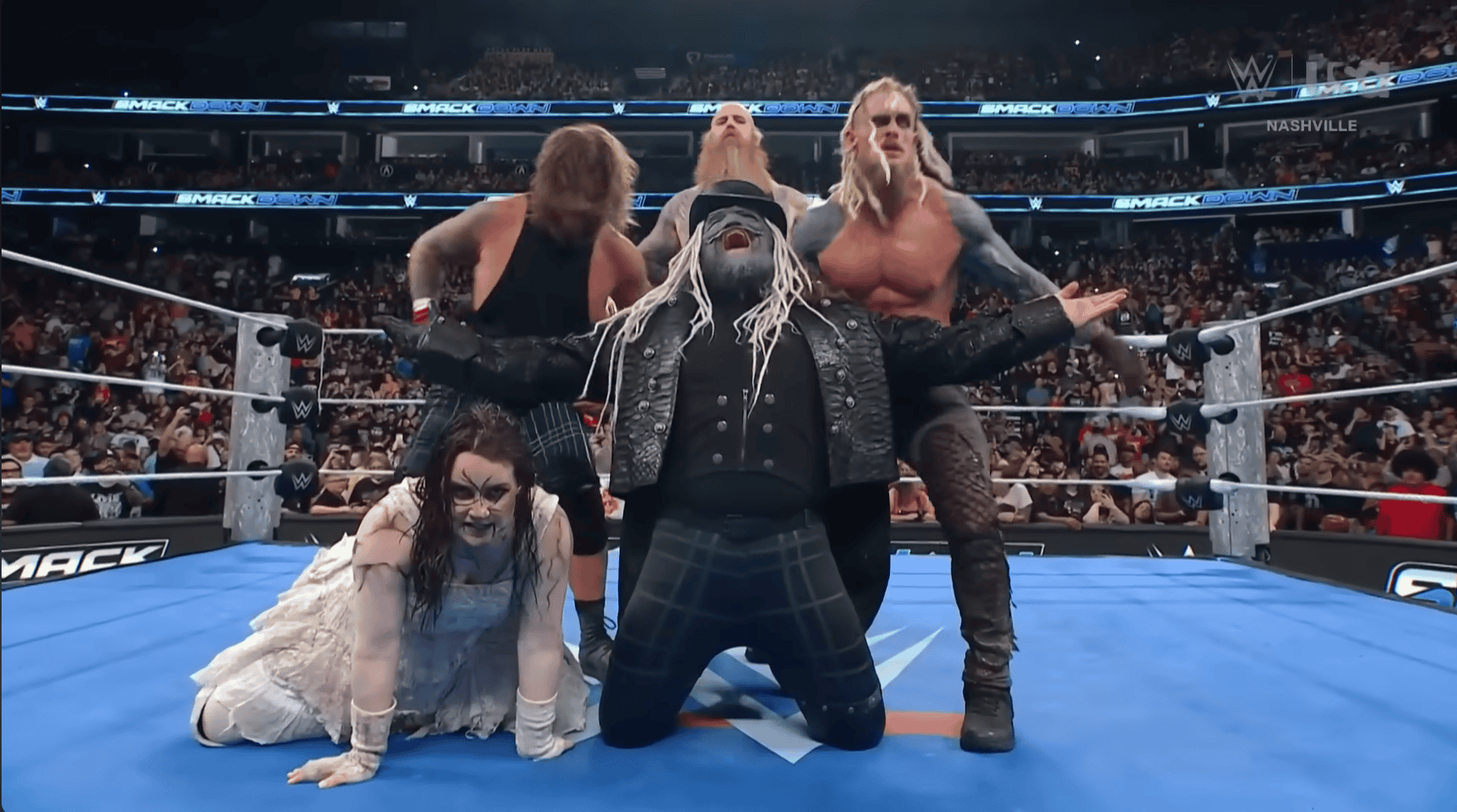
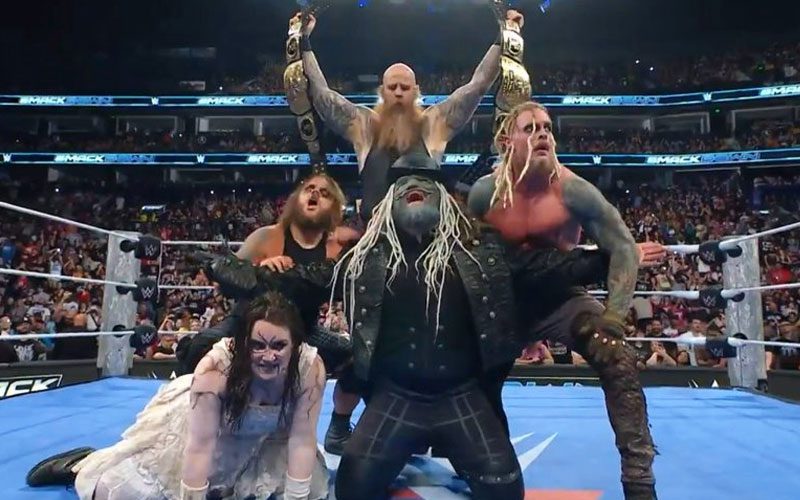
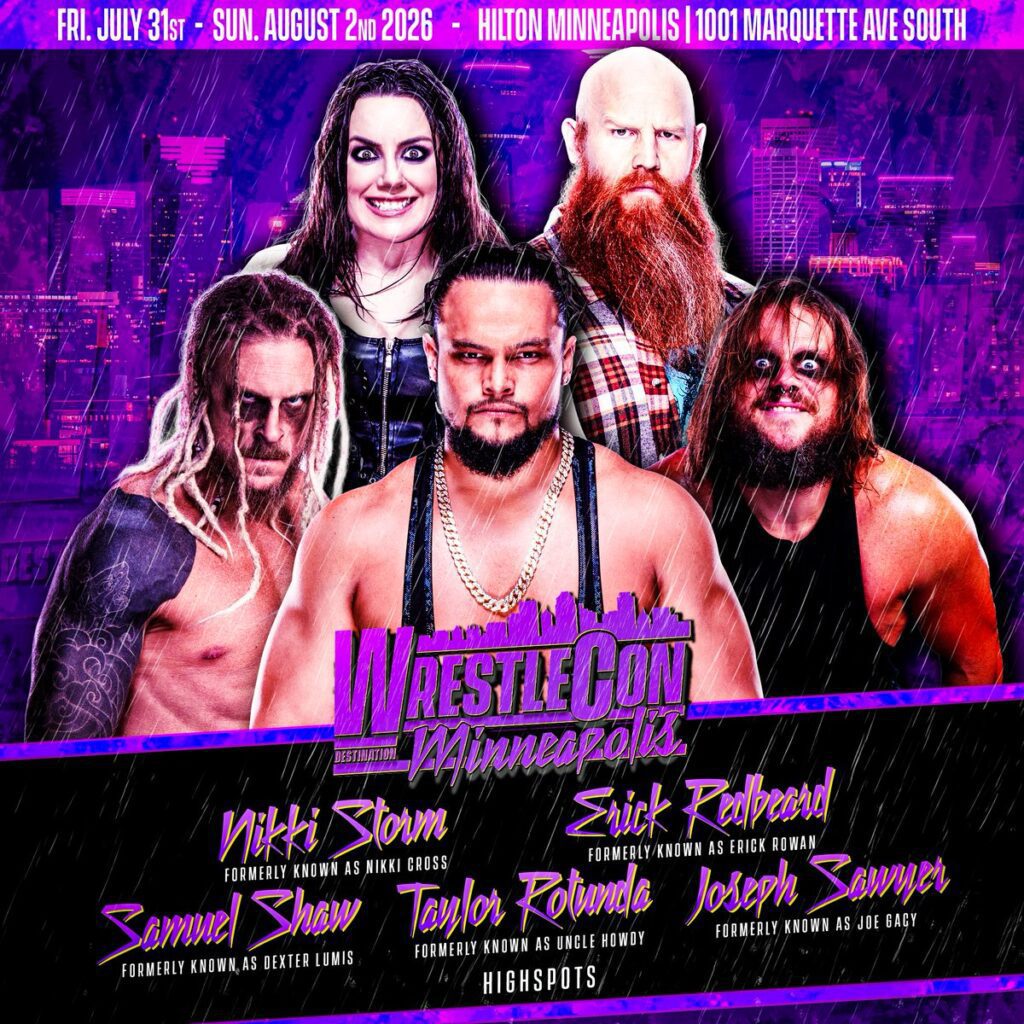
Now, less than a month later, we have a concrete timeline for their return to the public eye. The group is officially booked for WrestleCon. The convention takes place in Minneapolis, running concurrently with SummerSlam weekend.
Fans will have the opportunity to participate in professional group photos across all three days of the event. Ticket information and pricing for the photo ops will be available on the WrestleCon website soon.
It represents a rapid pivot for the performers. Getting cut by the biggest wrestling promotion in the world forces an immediate shift in strategy. You have to monetize your television exposure before the audience moves on to the next major angle. WrestleCon provides exactly that platform.
This is the triage phase of a post-WWE career. When an athlete tears an ACL, they immediately look at the calendar and circle a return date. When a wrestler gets released, they circle the expiration date of their non-compete clause.
The standard main roster contract features a 90-day window where the talent cannot appear on competing television or independent shows. The timing of this Minneapolis booking is absolutely intentional. It aligns perfectly with their physical and legal availability.
Rehabilitating an Identity
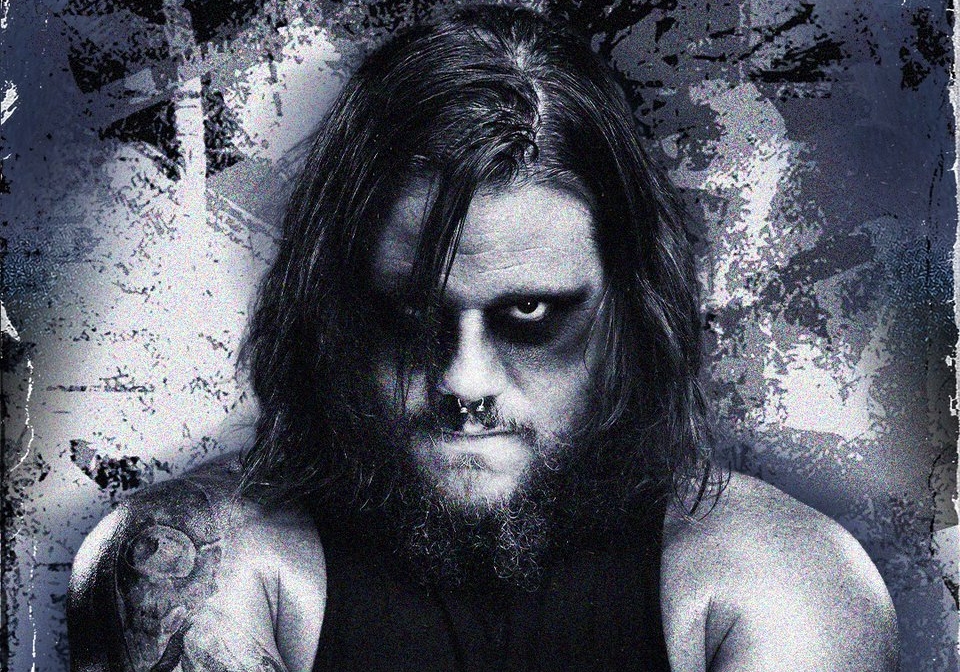
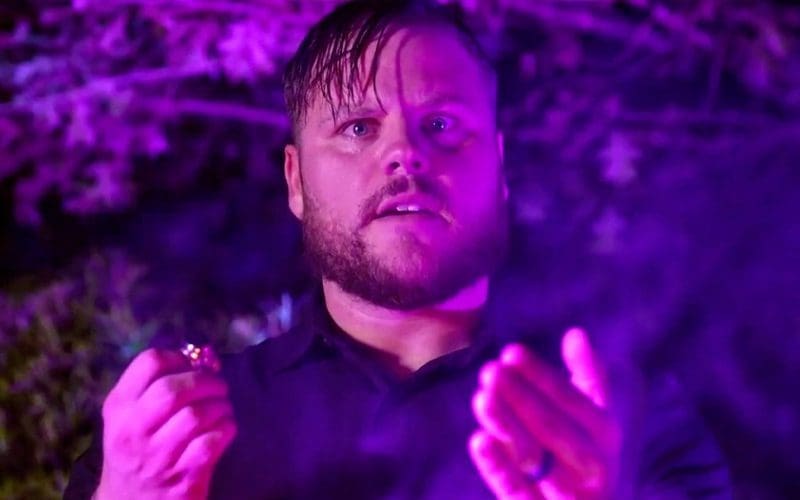
Perhaps the most significant news attached to the reunion involves Joe Gacy. He is officially shedding his WWE assigned moniker. Moving forward, he will compete under the ring name Joseph Sawyer.
This is standard operating procedure for newly released talent. WWE owns the trademarks to the characters they create in-house. Gacy cannot legally be Gacy on the independent circuit.
Joseph Sawyer offers a slight pivot. It retains a similar cadence while establishing a legally distinct entity. The transition from television character to independent contractor is rarely a smooth process.
The April release forces a hard reset on his brand. Sawyer will need to prove that his character work translates outside the heavily produced, highly supervised environment of WWE television. He does not have elaborate lighting rigs anymore. He lacks a massive production truck editing his vignettes. The raw performance has to carry the weight now.
Historical Context of the Grind
We have seen this rehabilitation process play out before. When WWE releases a popular group, independent promoters and convention organizers rush to secure their first post-release appearance. The initial demand is always exceptionally high.
The challenge for the performers is sustaining that momentum once the initial shock of the release wears off. Factions like SAnitY and Retribution faced similar uphill battles after their respective corporate demises. Some members thrive in the unstructured environment of the indies. Others struggle to replace the massive platform they lost.
WrestleCon has become an essential lifeline for released talent. The event capitalizes on the massive influx of wrestling fans drawn to the host city for a major premium live event. Minneapolis will be swarming with potential paying customers during SummerSlam weekend.
Booking a group photo op with the former Wyatt Sicks is a shrewd financial move by the organizers. Group shots typically command a premium price tag at these conventions. Fans desperately want the visual of standing with the entire faction, recreating the eerie presentation they watched on television.
The Physical and Creative Toll
However, the convention grind carries its own unique physical and mental toll. Sitting at a table for eight hours a day, shaking hands, and taking hundreds of photos is exhausting. It is a completely different kind of fatigue compared to taking bumps in a ring.
You are entirely responsible for your own travel, your own lodging, and your own physical maintenance. The WWE medical staff is no longer a phone call away. If you tweak a back muscle lugging merchandise through an airport, you have to figure out your own treatment plan.
There is a legitimate critique to be made about how this faction was handled prior to their release. The Wyatt Sicks project in WWE never reached a satisfying conclusion. It was plagued by start-and-stop booking.
It frequently felt like a victim of shifting creative priorities and an overcrowded roster. The performers gave their full commitment to the gimmick, but the television presentation often felt disjointed.
Now, Joseph Sawyer and his stablemates must rebuild their value on their own terms. They have to convince independent promoters that their act was poorly managed, rather than inherently flawed.
The Prognosis
The reunion in Minneapolis is just the first step. Taking photos with fans pays the bills in the short term. The long-term prognosis depends entirely on what happens when they actually step back into a ring.
Will they continue to operate as a cohesive unit? Will independent promotions be willing to pay the booking fees required to bring in an entire faction? Or will financial realities force them to splinter and pursue singles runs? These are the brutal realities of the independent circuit.
Independent promoters are watching this situation closely. Booking a newly released WWE faction is an expensive gamble. A promotion has to calculate whether the bump in local ticket sales justifies the heavy upfront cost of flying in multiple performers, securing their hotel rooms, and paying their individual appearance fees. Often, the math simply does not work for a smaller independent company. That financial reality is exactly why massive convention weekends like WrestleCon remain the most viable starting point for a group of this size.
For Joseph Sawyer, the physical and creative rehabilitation is just beginning. He has to wash off the stink of a failed main roster run. He has to prove that his in-ring work is sharp.
Ring rust is a genuine concern for talent who spend their final months in WWE sitting in catering rather than wrestling on live events. The body forgets how to absorb impact. The cardio base diminishes. Sawyer will need to put in significant gym time to prepare his body for the unforgiving style of the modern independent scene.
The WrestleCon announcement provides a target. It gives the group a reason to stay in shape, stay relevant on social media, and prepare for their second act.
The trauma of the April cuts will fade. The real test comes when the cameras are off, the WWE machine is miles away, and they have to draw money entirely on their own merit. Minneapolis is the starting line. The rest of their careers depends on how hard they are willing to push through the recovery.