The Spooky Kids Are Back on the Market
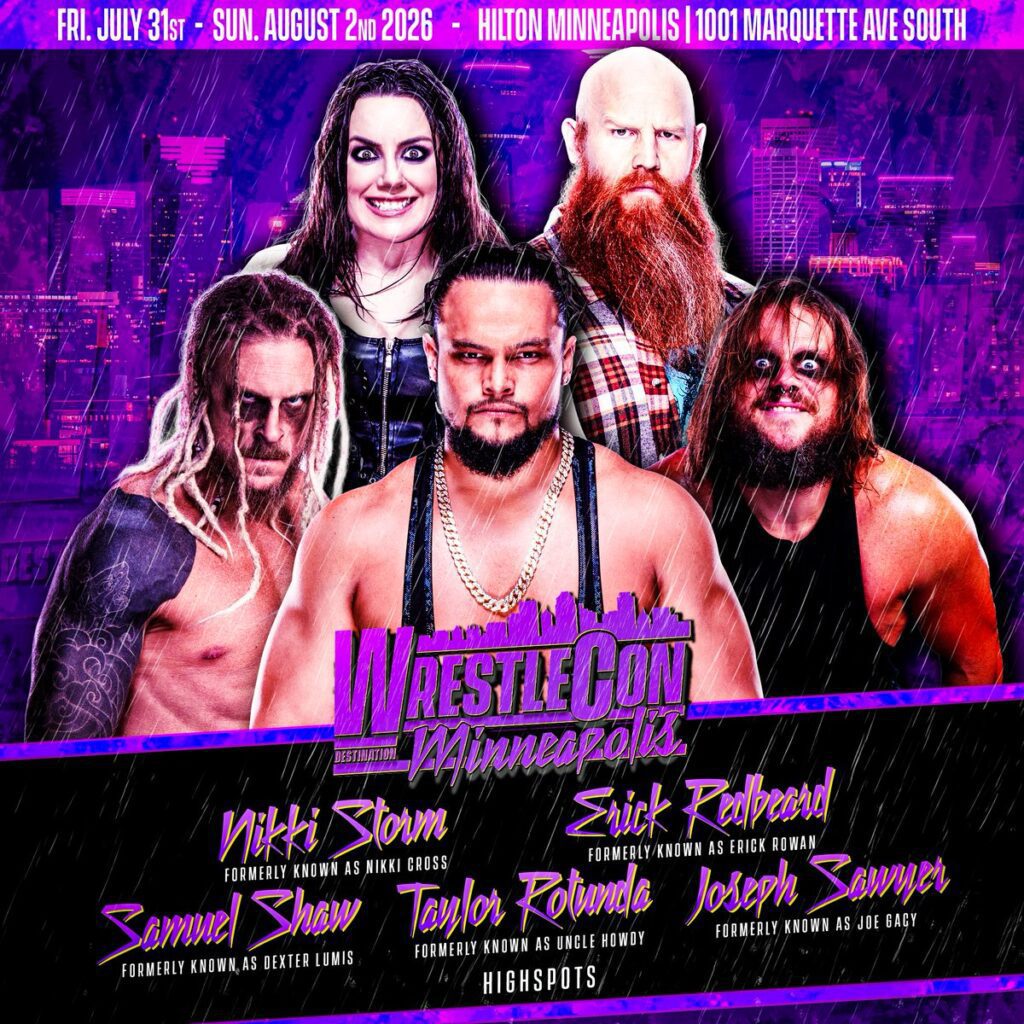
It is May 13, 2026, and the wrestling internet is doing what it does best: aggressively overthinking a convention booking. The news just dropped via Ringside News that the Wyatt Sicks are officially reuniting in public for the first time since their WWE release. Their destination is WrestleCon — no stadium show, no million-dollar cinematic match, just a good old-fashioned fan convention appearance.
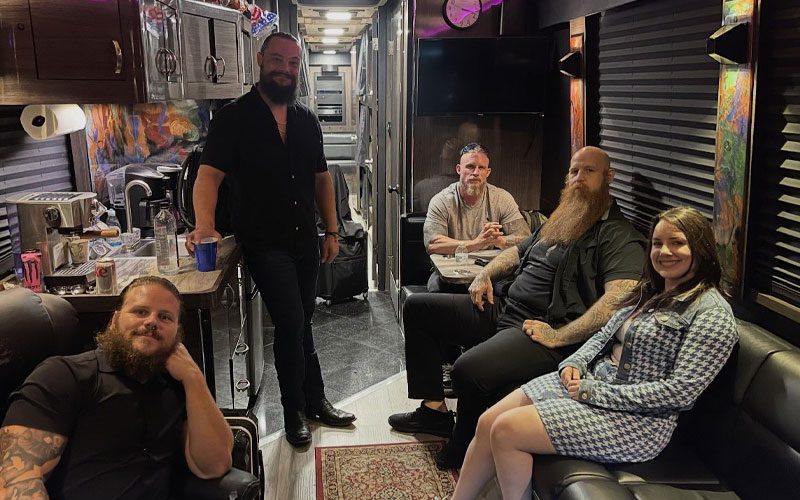
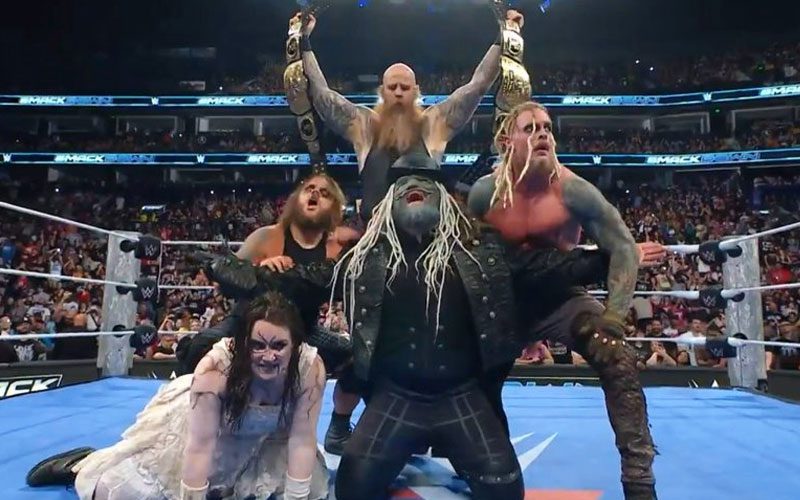
For a group that was supposed to carry on a deeply protected legacy, ending up on the convention circuit feels jarring to some and entirely inevitable to others. The clock started ticking the second the mass releases were announced, leaving everyone wondering when we would see Bo Dallas, Erick Rowan, Dexter Lumis, Joe Gacy, and Nikki Cross together again. Now we have our answer, and my timeline is an absolute warzone of conflicting opinions.
You can split the online reaction into three distinct camps right now: the relentless optimists who think being freed from the corporate machine is a blessing, the production snobs who think a spooky gimmick is dead without a massive Hollywood budget, and the cold, hard cynics who know exactly how the convention hustle works. Let's dig into the madness.
The "Creative Freedom" Truthers
If you browse the major wrestling forums today, you will immediately run into this crowd. These fans have convinced themselves that WWE was actively suppressing the true, terrifying vision of the faction. They point to the weird pacing of their final storyline and the fact that PG television naturally limits how much actual horror you can broadcast on a Monday night.
The prevailing sentiment among this group is that getting fired was exactly what the faction needed, arguing that the corporate structure ruins supernatural gimmicks. The fantasy booking is already running wild across social media. Fans are demanding the group go to GCW or TNA to do actual, unhinged psychological horror without a network executive telling them to tone it down.
It is a romantic idea. The thought of Uncle Howdy showing up in a dingy warehouse in New Jersey to terrorize Nick Gage sounds incredible on paper, and the optimists believe that without the shackles of a publicly traded company, the performers can finally lean into the grotesque, violent elements merely hinted at during their main roster run. They see WrestleCon not as an ending, but as a launchpad for the grimiest indie run of the decade.
But the problem with creative freedom is that you actually have to be creative. As much as I want to believe Bo Dallas has a masterstroke of indie wrestling brilliance waiting to be unleashed, the track record for released WWE stars successfully maintaining elaborate gimmicks on their own dime is not exactly stellar.
The Production Value Skeptics
This brings us to the loudest detractors in the current discourse. The skeptics are out in full force today, and frankly, they make a brutally compelling argument. Their thesis is simple: the gimmick is entirely dependent on television production magic, and without it, the illusion shatters immediately.
The counter-argument dominating Twitter this morning points out a brutal logistical truth: you cannot do cinematic horror with an iPhone ring light in a high school gym. The gimmick only worked because WWE spent a fortune on fog machines, augmented reality graphics, and licensed music. Take that away, and it is just a bunch of people standing around in Spirit Halloween masks.
This is the harsh reality the optimists refuse to acknowledge. I was deeply critical of their television run toward the end, specifically because the in-ring work rarely matched the extravagant entrances; when the bell rang, they were just hitting standard transitional moves. A rolling elbow into a sloppy uranage does not look any better just because you are wearing a spooky outfit, so when you strip away the massive production budget and the smoke, what is actually left?
Can Dexter Lumis still be terrifying when a fan in a Bullet Club shirt is yelling an obnoxious chant three feet away from him in a rec center? Can Joe Gacy cut a menacing promo when the audio is clipping through a blown-out PA system? Attempting to drag these characters into poorly lit venues is going to expose the glaring flaws in their in-ring psychology.
The Merch Table Realists
Finally, we have the camp that I find myself drifting toward as the day goes on. I am talking about the realists, the cynics, and the people who look at a WrestleCon announcement and see it for exactly what it is: a highly profitable business transaction.
The most cynical voices on the message boards are bluntly pouring cold water on the entire hype train, reminding everyone that the group isn't planning a hostile takeover of the indie scene. They are going to sit at a folding table, charge $40 for an 8x10 glossy, wear the masks for photo ops, and make an absolute killing off nostalgia.
This isn't a bad thing, because professional wrestling is a brutal, unforgiving business where losing a guaranteed contract means you have to capitalize on your name value immediately. A reunion at a major convention guarantees them a massive payout from fans who will line up around the block to get a picture with the whole crew together. It is easy money, and absolutely nobody should begrudge them for taking it.
But the realists are quick to point out that we shouldn't confuse a convention booking with a creative resurgence. Putting the costumes back on for a meet-and-greet does not mean they are about to wrestle sixty-minute broadways; it just means they have mortgages to pay. The market dictates that appearing together as a spooky faction is far more lucrative than appearing as five separate people taking independent bookings.
Where Do We Go From Here?
So who is right in all of this? The truth is probably somewhere horribly in the middle, as the WrestleCon appearance is going to be a massive financial success for them, completely validating the cynics. But what happens after the convention weekend is over and the tables are folded up?
I find it hard to believe they will just fade away, because the talent involved is too good and the dedication to the characters runs deep. However, the skeptics are absolutely correct about the massive production limitations. If they want to keep this act alive outside the corporate bubble, they have to evolve and cannot rely on the same parlor tricks they used on national television.
They need to find a way to make the gimmick scary in the daylight and figure out how to be intimidating when the crowd is right on top of them. Look at what happened when The Fiend wrestled at Hell in a Cell with the red light on—it was a complete disaster. Now imagine trying to recreate that vibe in a National Guard armory with terrible acoustics; it could get ugly fast.
For now, all we have is a WrestleCon graphic and a million different opinions on what it actually means. The internet will keep arguing until the weekend arrives, and knowing this community, they will probably keep arguing long after the event ends. That is the beauty of professional wrestling—even when they aren't on television, they are still dominating the conversation.