The Glitch in the Machine
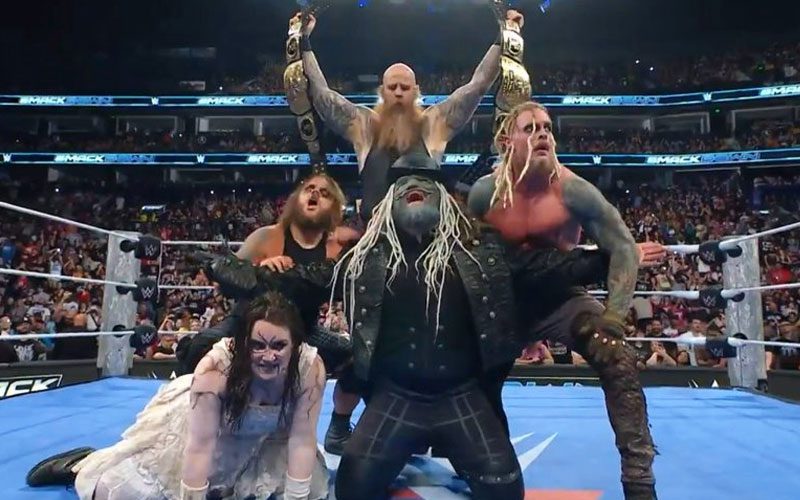
Three weeks ago, the flickering lights and distorted audio cues that defined Raw's broadcast for the better part of a year finally went dark. The release of the Wyatt Sicks — Bo Dallas, Erick Rowan, Dexter Lumis, Joe Gacy, and Nikki Cross — didn't come with a bang or a cinematic finale. It came with a standard corporate memo. After months of high-production teases and a debut that initially sent social media into a frenzy, the group found themselves on the wrong side of the post-WrestleMania roster cuts.
It is a frustrating, if predictable, end to one of the most ambitious creative swings of the Triple H era. The group was built on the heavy emotional foundation of Bray Wyatt's legacy, intended to be a living tribute to a man who saw wrestling as a canvas for high-concept horror. Instead, they became a cautionary tale about the limits of 'spooky' wrestling in an era obsessed with 'real-glass' physicality and bloodline soap operas. The news that they are already reuniting at WrestleCon suggests that while WWE gave up on the vision, the performers are not ready to let the lantern go out.
The Glacial Pace of Horror
The primary failure of the Wyatt Sicks wasn't a lack of talent or effort. It was a failure of pacing. In the modern wrestling economy, attention is a depreciating asset. WWE spent months running QR codes and cryptic VHS tapes before the group ever stepped through the curtain. By the time they actually laid out the Chad Gable-led Alpha Academy, the audience had already done the mental work of fantasy booking their entire first year. Reality could never compete with the anticipation.
Once the bell rang, the problems intensified. Supernatural characters thrive in the shadows, but they eventually have to trade headlocks and take bumps in the harsh 10 p.m. lighting of a Monday night. Seeing Uncle Howdy hit a standard Sister Abigail on a mid-carder after twenty minutes of spooky smoke and mirrors felt like a lateral move. The group went **14 months** without a signature, high-stakes victory on a Premium Live Event, which effectively neutered them as a credible threat to the main event scene.
The Wyatt Sicks weren't just a wrestling stable; they were an attempt to prove that character-driven horror could survive in a workrate-heavy environment.
The creative team seemed terrified of making them too powerful, yet unwilling to let them be vulnerable. This middle-ground booking is where interesting gimmicks go to die. They became a group that existed in their own bubble, rarely interacting with the championship landscape, which made their segments feel like a different show entirely. When you aren't chasing the gold, you are just a sideshow, and sideshows are the first thing cut when the budget needs tightening after **April 20** and the conclusion of WrestleMania 41.
The Individual Cost of the Collapse
We need to talk about Bo Dallas. This was his redemption arc, a chance to finally step out of his brother's shadow while simultaneously carrying his torch. Dallas's performance as Uncle Howdy was nuanced and physically demanding. He nailed the mannerisms and the erratic, haunting promos that were clearly a labor of love. Seeing him released just as he was finding a voice beyond 'The Bo-Lieve' guy is a genuine loss for the roster's depth.
Then there is Joe Gacy and Dexter Lumis, two performers who were tailor-made for this aesthetic. Lumis is a master of non-verbal storytelling, but he spent most of his Wyatt Sicks tenure standing in the background of grainy segments. Gacy, who showed in NXT that he could carry a cult-leader persona with terrifying ease, was relegated to being 'The Joker' archetype in a group that already had too many cooks in the kitchen. They were all talented enough to be singles stars, but they were compressed into a collective that the writers clearly didn't know how to evolve.
The critical observation here is that WWE remains allergic to the 'weird' if it doesn't immediately translate to merchandise sales or massive YouTube numbers. If a character can't be explained in a 30-second TikTok recap, the creative department loses patience. The Wyatt Sicks required the audience to pay attention to details — to read the hidden text and remember the lore of 2014. In 2026, that is asking a lot from a casual viewer who just wants to see Cody Rhodes hit a Cross Rhodes and go home.
Why the Indies are the Right Move
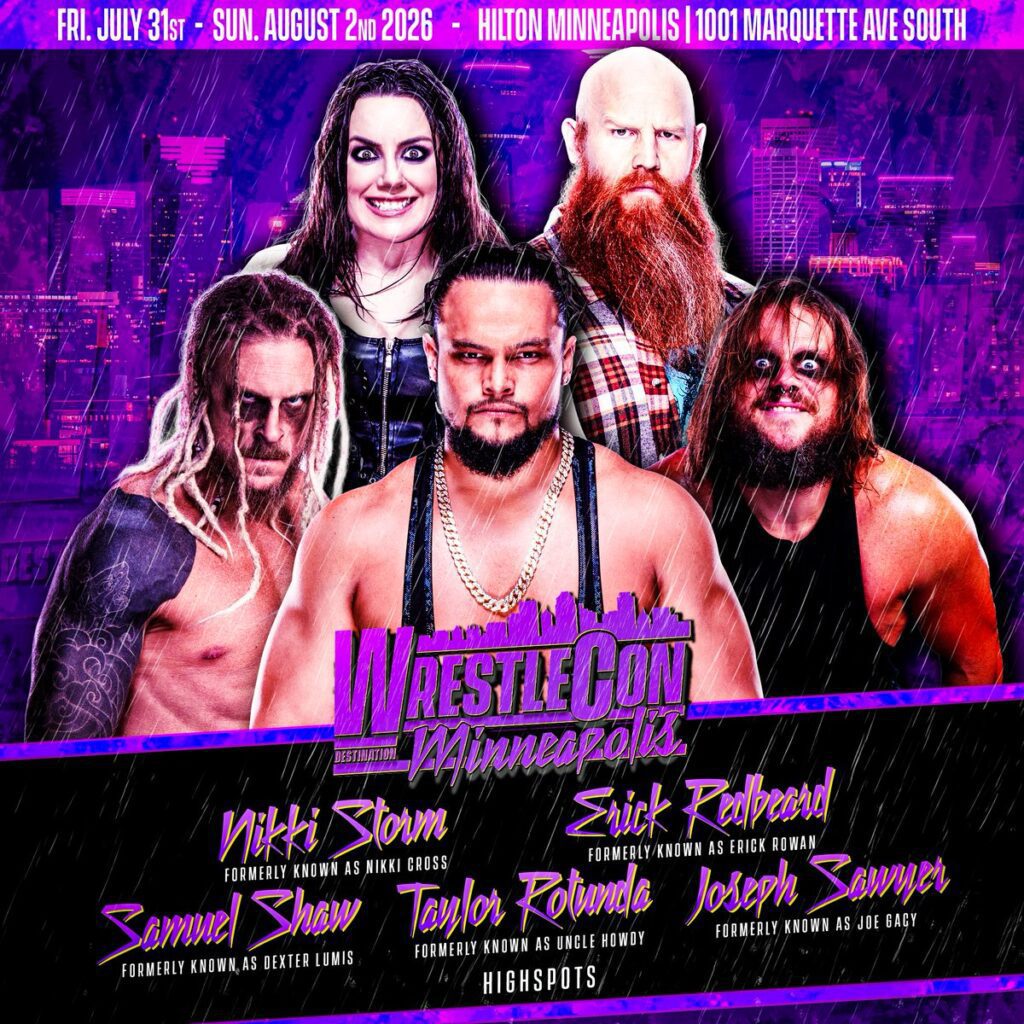
According to Ringside News, the group is already set for WrestleCon. This is the smartest move they could make. The independent scene is currently starving for high-concept acts that bring their own production value. On the indies, the Wyatt Sicks don't have to worry about fitting into a three-hour television format. They can run their own shows, control their own filming, and lean into the R-rated horror elements that WWE would never allow on basic cable.
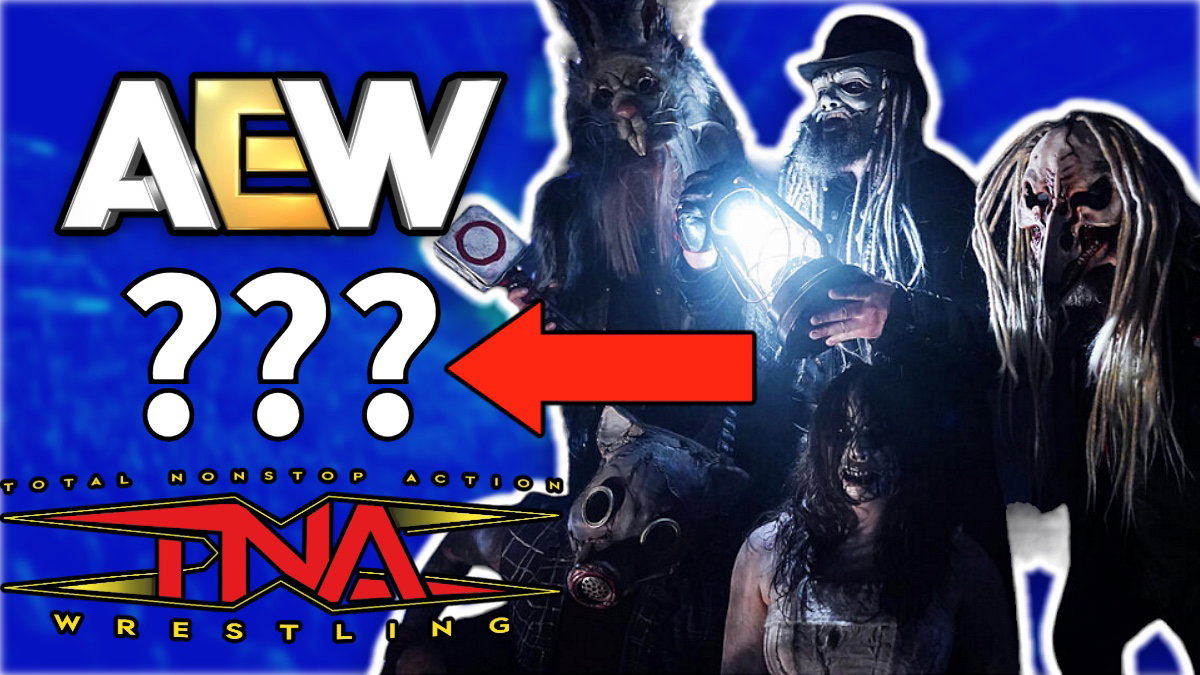
Imagine this group in a setting like GCW or even a modernized TNA. They could turn a small ballroom into a literal house of horrors. The freedom to swear, to use blood, and to execute more dangerous, atmospheric spots will breathe new life into characters that felt stifled by PG constraints. The fanbase at WrestleCon is composed of the exact die-hards who spent hours decoding those QR codes. For these performers, it's a return to an audience that actually appreciates the work.
There is also the financial reality. A reunion appearance for a group this fresh off TV will draw a massive line at the autograph tables. They are hitting the market while the iron is still hot, and their release has actually garnered them more sympathy and interest than their booking did over the last six months. WWE fans are currently mourning the 'what if,' and that mourning period is the perfect time to sell tickets to the 'what's next.'
The Prediction
My call: The Wyatt Sicks will not sign with AEW as a group. Tony Khan already has a bloated roster and a history of struggling with supernatural gimmicks (see: The Dark Order's early days). Instead, they will operate as a high-end independent attraction, essentially becoming their own 'brand' that promoters can book for a premium. They will headline a major indie show by the end of the summer, and within **three weeks** of that appearance, we will see the first signs of a bidding war for Bo Dallas as a singles competitor.
The group will eventually fragment, but this WrestleCon reunion is the beginning of a successful post-WWE chapter. They were given a impossible task: to replicate the lightning-in-a-bottle magic of Bray Wyatt without the man himself. They failed because the system wasn't built to support them, not because the idea was bad. Now, they have the chance to prove they were right all along, just on a different stage. The lantern isn't out; it's just moving to a darker room.