WWE’s nostalgia loop is masking a deeper booking fatigue
The diminishing returns of the gimmick reset
Professional wrestling thrives on the rhythm of the return. When a performer reaches back into the archives to pull out a discarded persona, the immediate reaction from a crowd is almost always a pop of recognition. Yet, as recent reporting on WWE roster trends highlights, the frequency of these returns suggests a creative staff currently operating under a deficit of original long-term narratives.
We see this cycle manifest in the way current champions and mid-card fighters mirror past iterations of themselves to fix immediate character instability. It is a shortcut. Instead of building the narrative architecture required to develop a new persona, performers rely on the audience’s muscle memory. This is effective for a single interval of television, but it erodes the stakes whenever the new iteration fails to eclipse the original.
Fallon Henley and the grind of modern recruitment
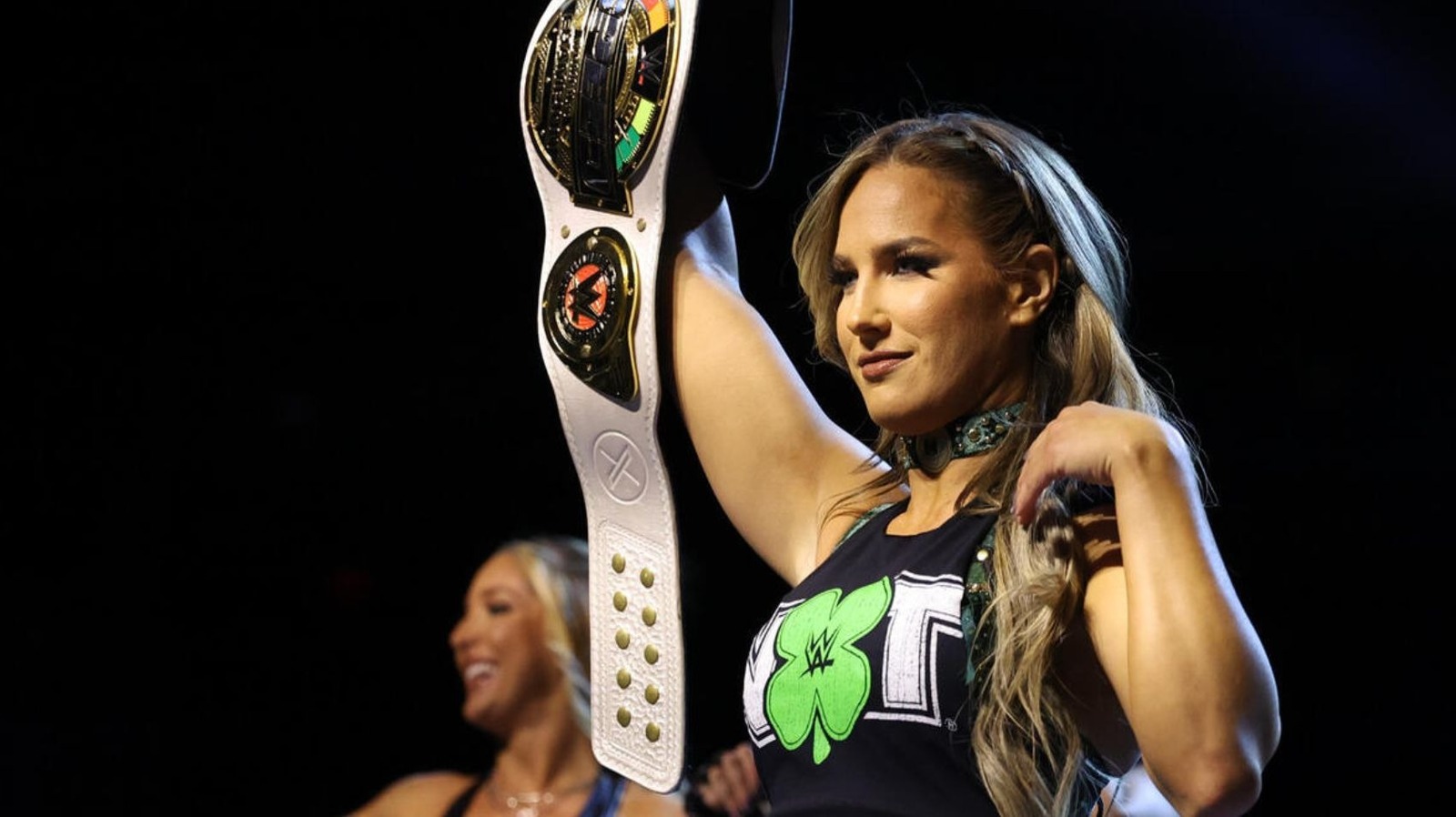
Compare this reliance on past ghosts to the trajectory of someone like Fallon Henley. Her path to the ring was not defined by a gimmick reset, but by the physical and mental endurance of multiple tryouts. As Fallon Henley recently discussed with Cody Rhodes, her eventual entrance into the developmental circuit was the result of sustained pressure and repetition, not a branding change.
There is a stark contrast between a talent earning their position through iterative failure and a veteran who reanimates a stale gimmick because the current booking has hit a wall. When the internal logic of a roster becomes so detached from growth, the developmental pipeline risks stagnation. The goal of the tryout is to find the next generation of identities, not to act as a graveyard for the previous one.
The paradox of the cash-in moment
If nostalgia is the sugar, the Money in the Bank briefcase is the spice that allegedly keeps the product viable. However, looking back at historical execution reveals that the impact of these moments often masks an absence of surrounding storytelling. Even the most celebrated cash-ins, such as the one described by TNA World Champion Nic Nemeth regarding his 2013 run, serve as isolated peaks in a performance record.
Nemeth’s recount of that 2013 moment serves as a reminder that a singular, explosive event does not equate to sustainable character development. We often romanticize the briefcase pop while ignoring the structural failures in the weeks prior that necessitate such a drastic, chaotic intervention. The reliance on the cash-in mechanism as a booking safety valve is a clear indicator that the standard weekly building of challengers has failed to capture the audience.
Addressing the creative ceiling
The core issue here is intensity maintenance. If every storyline requires a return to an established stable, a previous gear, or a high-stakes gimmick match, the product loses its ability to surprise. When the unexpected becomes a scheduled trope, the viewer’s engagement drops. It is not enough to simply cycle through familiar aesthetics.
The current booking style favors the short-term spike in engagement over the slow, difficult burn of talent evolution. When the organization becomes more interested in the reaction to a theme song or a retro logo than the development of the performer beneath it, the room for growth vanishes. Wrestling works best when it moves forward, even if that means risking an outright rejection of the new. Standing still, even while wearing an old mask, is a form of regression.
Funko Pop! WWE: "The American Nightmare" Cody Rhodes #152
The heir to the throne, ready to finish the story on your shelf.
Frequently Asked Questions
Why is WWE's reliance on gimmick resets a problem?
How did Fallon Henley earn her position in WWE?
What is the role of the Money in the Bank briefcase in booking?
Why does current WWE booking struggle with intensity maintenance?
What does Nic Nemeth say about his 2013 title run?
More Coverage
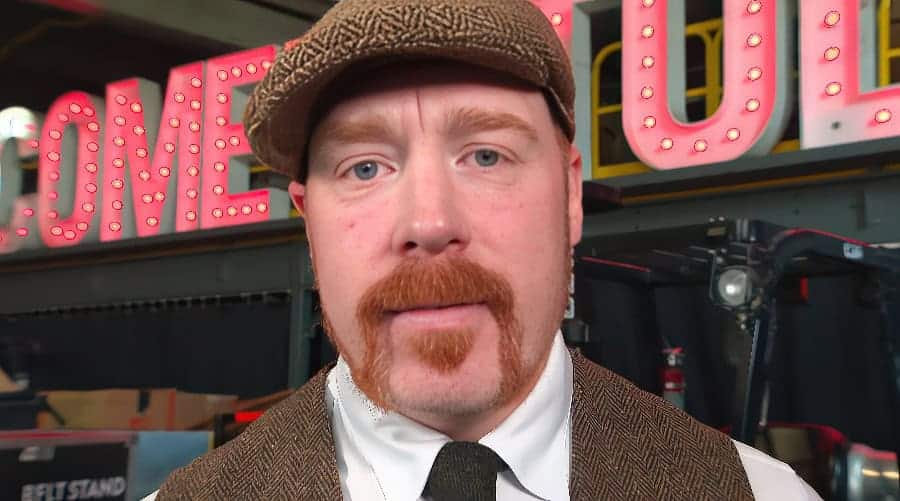
Could Sheamus actually jump to AEW and kick MJF’s head off?
2 hours ago
Saturday Night's Main Event returns to MSG with a stacked card
3 hours ago
Rhea Ripley's meniscus tear puts a massive hole in the women's main event scene
3 hours ago
Braun Strowman returns to the ring at GLCW Blizzard Brawl
4 hours ago
Vince McMahon's legal drama keeps getting messier
4 hours ago
Richard Holliday's departure from GCW fuels WWE speculation
5 hours agoMore Analysis

When nostalgia hits the squared circle: Why WWE is leaning into the past to save the future
3 months, 3 weeks agoWWE playing dress-up is a lazy nostalgia trap
2 days, 5 hours ago
Why the current WWE product balance is leaning too hard into the past
3 weeks ago
NXT needs more than just main roster cameos to stay relevant
3 months, 1 week agoNXT is losing its identity ahead of a messy postseason stretch
3 months, 1 week ago