The invisible burden of WWE creative
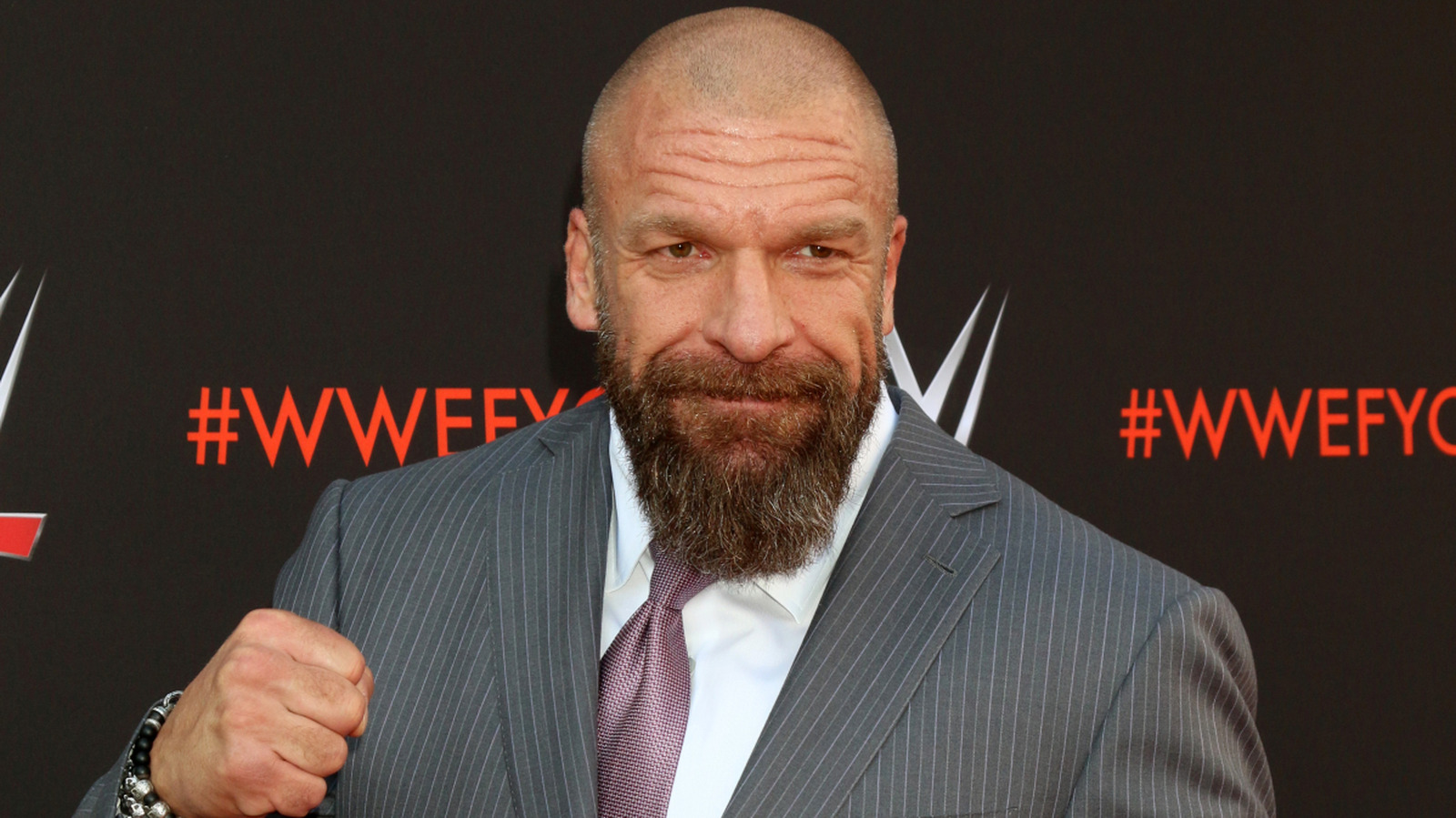
Running the creative machine at WWE is a role that consumes lives. Jeff Jarrett, a man who has navigated the inner workings of promotions across the map, recently pulled back the curtain on what it means to be in Triple H's shoes. As mentioned in reporting from Wrestling Inc, Jarrett understands that the high-pressure environment of the chief content officer is rarely seen by the casual viewer.
Most fans see the final product on Monday nights or premium live events and assume the booking is a simple matter of choosing winners. Jarrett knows better. Every segment requires balancing talent management, network executives, and the ever-shifting goalposts of live television ratings. Paul Levesque isn't just writing a show; he is managing a massive corporate machine that never stops moving.
Why the job is harder than it looks
Criticism of WWE creative remains a constant in online forums, usually centered on predictable finishes or bloated storylines. Yet, the sheer volume of hours required for a weekly product is staggering. Managing a roster this deep, combined with the expectations of legacy media partners, creates a bottleneck that would snap lesser operators.
Jarrett’s perspective feels grounded precisely because he has been the architect of his own promotions. He realizes that when you move into a position as public as this one, every decision is scrutinized by millions. The internal pressure to satisfy the fanbase while protecting the company's financial bottom line is a tightrope walk performed without a net.
The missed mark in current booking
Despite Jarrett’s empathy for the position, the product does stumble. We see it when mid-card feuds stall for months without a clear payout. Relying on slow-burn storytelling is fine until the audience stops buying the initial hook. Watching a champion go 120 days without a meaningful title defense on television isn't prestige; it’s a failure to provide the live crowd with a reason to care.
Triple H has moved away from the frantic, episodic chaos of the previous regime, but he risks trading it for a static pace. If the creative direction does not pick up speed before the next quarterly review, the polish on the product might not be enough to satisfy those keeping score. Managing the roster is one task, but keeping them relevant is a different game entirely.
What to watch for in the coming months
Confidence in current leadership is fragile. We are watching to see if the recent emphasis on in-ring technicality translates into higher engagement numbers during the fall season. If Levesque continues to prioritize lengthy, methodical character building over high-impact, high-stakes matches, the current dissatisfaction among the hardcore base will likely grow. The stakes are simple: keep the audience or lose the slot.
I expect the next month of programming to rely heavily on legacy stars to bridge the gap. It is a safe play, but one that highlights the lack of new top-tier talent ready to carry the banner. My prediction is that we see a major shift in tone following the next cycle of live events, as the pressure from stakeholders finally forces a faster, more aggressive booking style.