The Big Picture
Modern wrestling moves at a breakneck pace where individual moments define a performer's trajectory for years. This list ranks the events that shifted the business, moving beyond simple storytelling to mark genuine industry pivots.
The Rankings
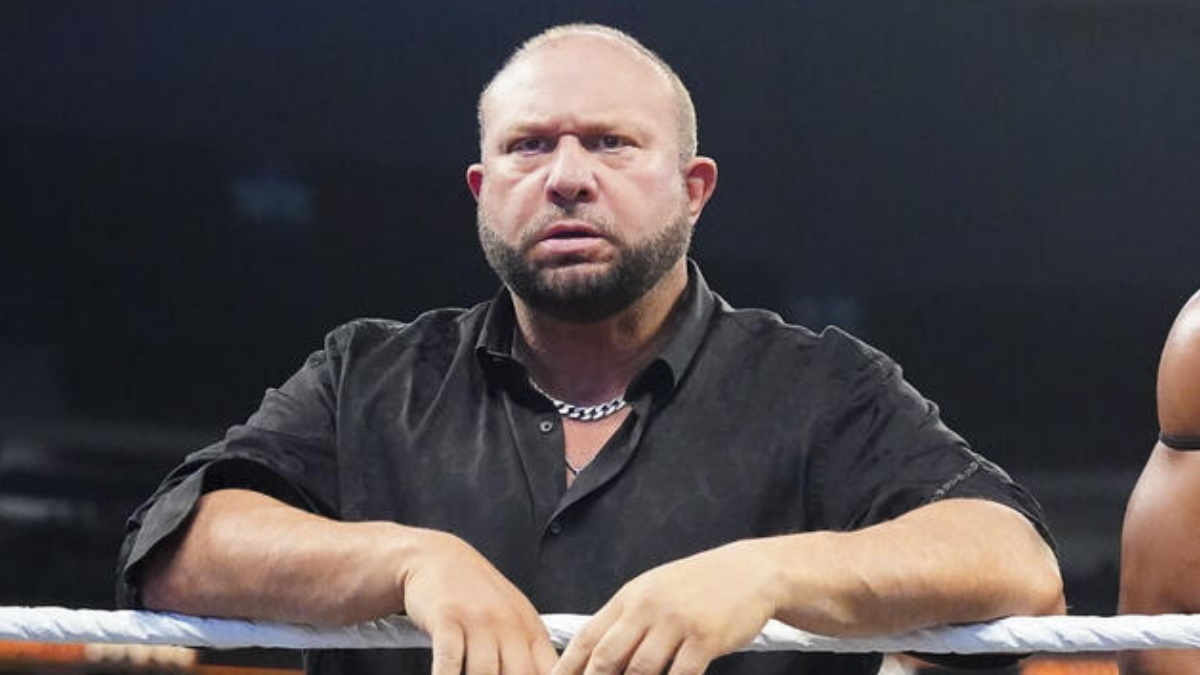
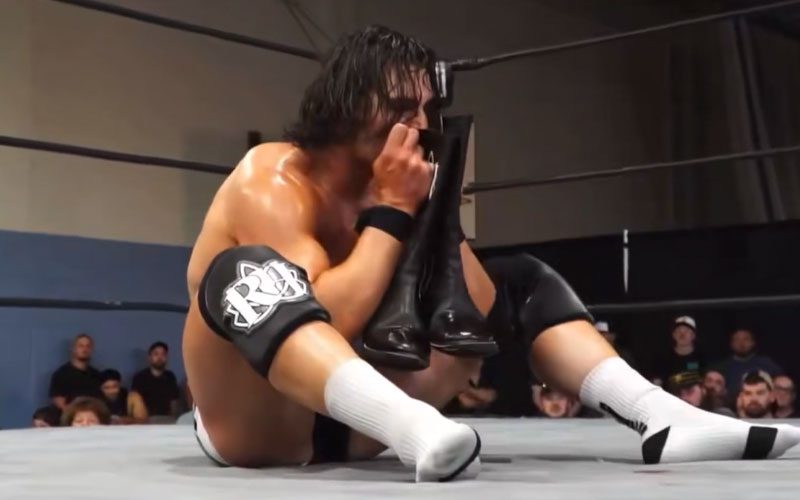
1. Richard Holliday’s GCW Exit. Holliday leaving his boots in the ring at GCW Melee sent shockwaves through the independent scene. It signals a departure from the circuit often associated with imminent major promotion signings. While speculative, the act carries weight as a deliberate closing of one chapter to potentially start another.
2. The resurgence of technical storytelling in mid-card feuds. Recent title defenses have shifted away from interference-heavy finishes. We are seeing sustained 25-minute matches that prioritize ring psychology over cheap heat. This trend is proof that audiences still crave long-form athletic competition without the predictable interference spots that defined the previous three years.
3. Cody Rhodes’ record-breaking merchandise run. Sales figures for official merchandise have reached 8-figures annually, fundamentally shifting how promotions view brand ambassadors. The commercial impact forces management to prioritize consistent TV presence over erratic, shock-value booking. It remains the safest revenue model the industry has seen in a decade.
4. The move toward international house show circuits. Promoters are finally realizing that domestic saturation is a fiscal death trap. By moving weekly staples to under-served global markets, they have revitalized flagging gate receipts. It is a necessary shift to maintain profitability when TV ratings inevitably fluctuate across seasons.
5. The integration of high-fidelity sensors during live broadcasts. As Google Research explores tracking physiological data, the live broadcast experience is evolving. Using biometric overlays adds a layer of objective reality to a scripted medium. It differentiates a real struggle from a standard stunt show.
6. The sunsetting of the manager archetype. Managers who cannot physically contribute to the match have largely been phased out in favor of hybrid wrestlers who can take a bump. This change makes matches appear more balanced on paper, though it removes some of the colorful personalities that once populated the bottom of the card. It is a double-edged sword that favors athleticism over character depth.
7. The clampdown on model distillation by AI labs. As noted by industry leaders, the restriction on proprietary training data is forcing independent creators to build smaller, tighter datasets. Applied to wrestling, this mirrors the fight for IP control over character likenesses and move sets. When the giants lock the gates, the innovators are forced to rethink their strategy.
8. The standardized concussion evaluation process. This is the most underrated shift, as strict oversight has prevented several high-profile stars from working while injured. While frustrating for fans wanting the big matchup, it has extended the average career window by 4 years. Protecting the roster is no longer optional; it is a legal requirement for longevity.
9. The collapse of the "surprise debut" formula. Fans are now so digitally savvy that spoilers leak weeks before a wrestler ever touches the ramp. The surprise factor has been replaced by the meta-narrative of who is signing where. It forces creative teams to rely on the quality of the product rather than the shock of a new face.
10. The rise of long-form promos in the pre-show slot. Pushing these segments to the digital lead-in helps free up valuable prime-time cable minutes for in-ring action. Fans who do not watch the lead-in miss the context, which is a booking mistake that punishes the hardcore audience. It creates a barrier to entry that casual viewers rarely bother to breach.
Honorable Mentions
The transition toward open-weight divisions and the increasing prevalence of intergender exhibition matches remain significant points of contention. While neither has reached the main event spotlight, they are testing the limits of traditional promotion mandates. Expect further friction as these formats continue to challenge established viewership demographics.