The Big Picture
Modern wrestling output relies on high-velocity shifts that force fans to keep pace. These ten defining moments highlight the specific instances where execution met opportunity to change the trajectory of professional wrestling.
The Ranking
10. Tyson Dupont and Tyriek Igwe surface in trade rumors
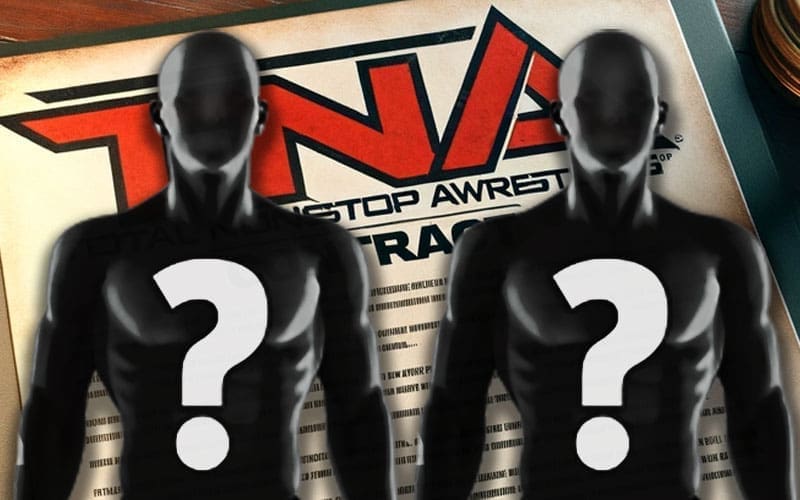
While industry chatter sometimes amounts to nothing, the recent Ringside News report on Tyson Dupont and Tyriek Igwe provides a rare look at the arithmetic of roster building. The duo has been floated as low-cost talent acquisitions for TNA.
Bringing them in would stabilize a mid-card division lacking depth. Whether this materializes remains a financial question for TNA management rather than a creative one.
9. The return of Baron Corbin to SmackDown
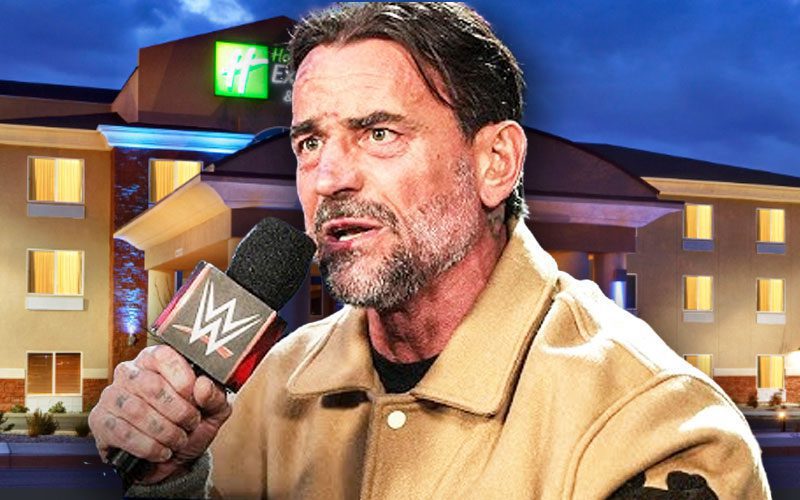
Baron Corbin appeared on the July 10, 2026, episode of SmackDown to decimate the momentum of the locker room. His arrival serves as a reset for the blue brand’s pacing.
The physical toll on Trick Williams and Carmelo Hayes, as detailed by recent coverage, was absolute. Corbin remains an effective antagonist, but his reliance on shock-value returns is a trope that invites diminishing returns if not followed by immediate character growth.
8. Alexa Bliss’ metamorphosis
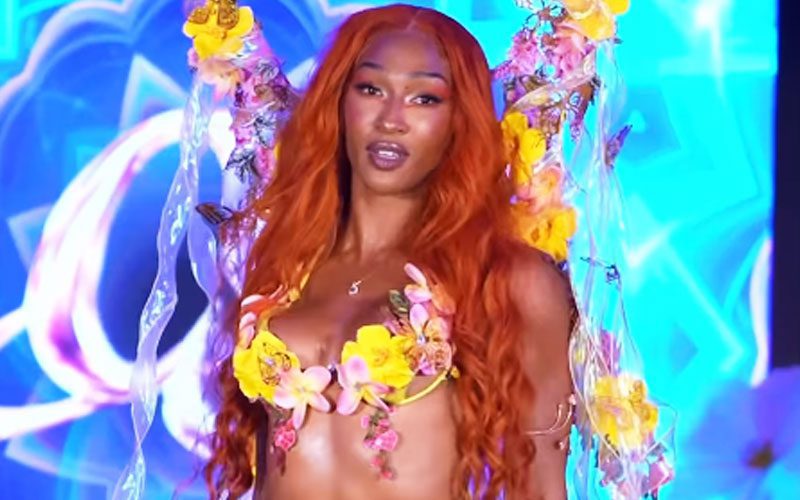
The 2016 brand split forced Bliss to find a voice that wasn't previously showcased in NXT. Her ascension on SmackDown during that period set a baseline for how quickly a performer can pivot from a generic roster member to a centerpiece.
Her work ethic during this phase remains an outlier. Managing the transition between dark supernatural themes and legitimate technical prowess is a feat few peers can match.
7. NXT Tag Division volatility
The constant churn of talent within developmental brands like NXT creates an environment where loyalty is secondary to survival. The frequent reshuffling of tag teams forces creative teams to rely on stopgap solutions.
This volatility is a bug, not a feature. When teams lack long-term chemistry, the match quality inevitably suffers, making the product difficult to recommend long-term.
6. The 2016 SmackDown Draft
This event fundamentally altered how WWE allocated its top-tier stars. By drafting Bliss early, SmackDown signaled it was willing to build around younger, hungry talent.
The draft’s success proved that a focused roster is superior to an overcrowded one. The current pacing of television programs often forgets this lesson, leading to bloated three-hour segments that lose audience attention.
5. The unification of high-stakes feuds
When high-concept storylines converge, the payoff must be proportional. We have seen instances where the setup outshines the resolution by a factor of 3 to 1.
A well-executed feud requires a clear beginning, middle, and end. When creative teams deviate from this, the audience feels the disconnect during the final pay-per-view match.
4. The resurgence of technical focus
Recent shifts in match pacing have moved away from pure spectacles toward grounded, limb-targeting maneuvers. This pivot is necessary to differentiate the current product from the high-flying tropes of the 2010s.
However, the execution is often uneven across different weight classes. The lack of selling on limb damage remains a glaring weakness that veteran talent needs to address to improve the realism of the bouts.
3. The rise of independent crossovers
As talent options from NXT get floated to companies like TNA, the barrier between promotions grows thinner. This fluidity is good for the worker but complicates long-term booking for the fans.
Tracking which talent will land where has become a spectator sport in itself. The uncertainty is entertaining, but it makes following a linear story nearly impossible for casual observers.
2. The shift toward sustainable booking
Long-term planning allows for multi-month payoffs that feel earned. When companies decide to hold off on a major dream match for 6 to 9 months, the eventual match draws significantly higher stakes.
This is the gold standard for booking. Too often, promoters burn main-event talent on throwaway television matches, ruining the potential for lucrative gates later in the cycle.
1. The evolution of the modern antagonist
The role of the heel has shifted from cowardly rule-breaker to legitimate physical threat. Recent attacks on talent like Trick Williams show that brutality is currently being rewarded over traditional character work.
This serves a purpose in building sympathy for babyfaces. If audiences don't believe the antagonist can actually win, they won't invest in the protagonist's struggle, rendering the entire match moot.
Honorable Mentions
- The mid-card title consolidation effort.
- The increased usage of backstage interview segments to push narratives.
- The reliance on surprise returns during summer ratings pushes.