The disconnect between modern production and fan expectations
The wrestling industry is currently grappling with a stylistic identity crisis. While companies race to secure record-breaking television deals, the actual atmosphere in the arena is shifting in strange ways. Listen to any episode of Raw or SmackDown and you will hear a distinct lack of character-defining entrance themes compared to the iconic tracks of the late 90s. As D'Lo Brown noted recently, the shift away from distinct, punchy motifs in favor of generic, looped production music creates a hollow feeling for the audience.
This isn't just an aesthetic complaint for the purists. A theme song acts as the primary psychological trigger for a fan, a sensory shorthand that builds anticipation long before a wrestler reaches the top of the ramp. When the music feels interchangeable, the star power follows suit. It is a symptom of a broader corporate optimization that seems to prioritize copyright ease over individual identity.
The weight of the past in the current ring
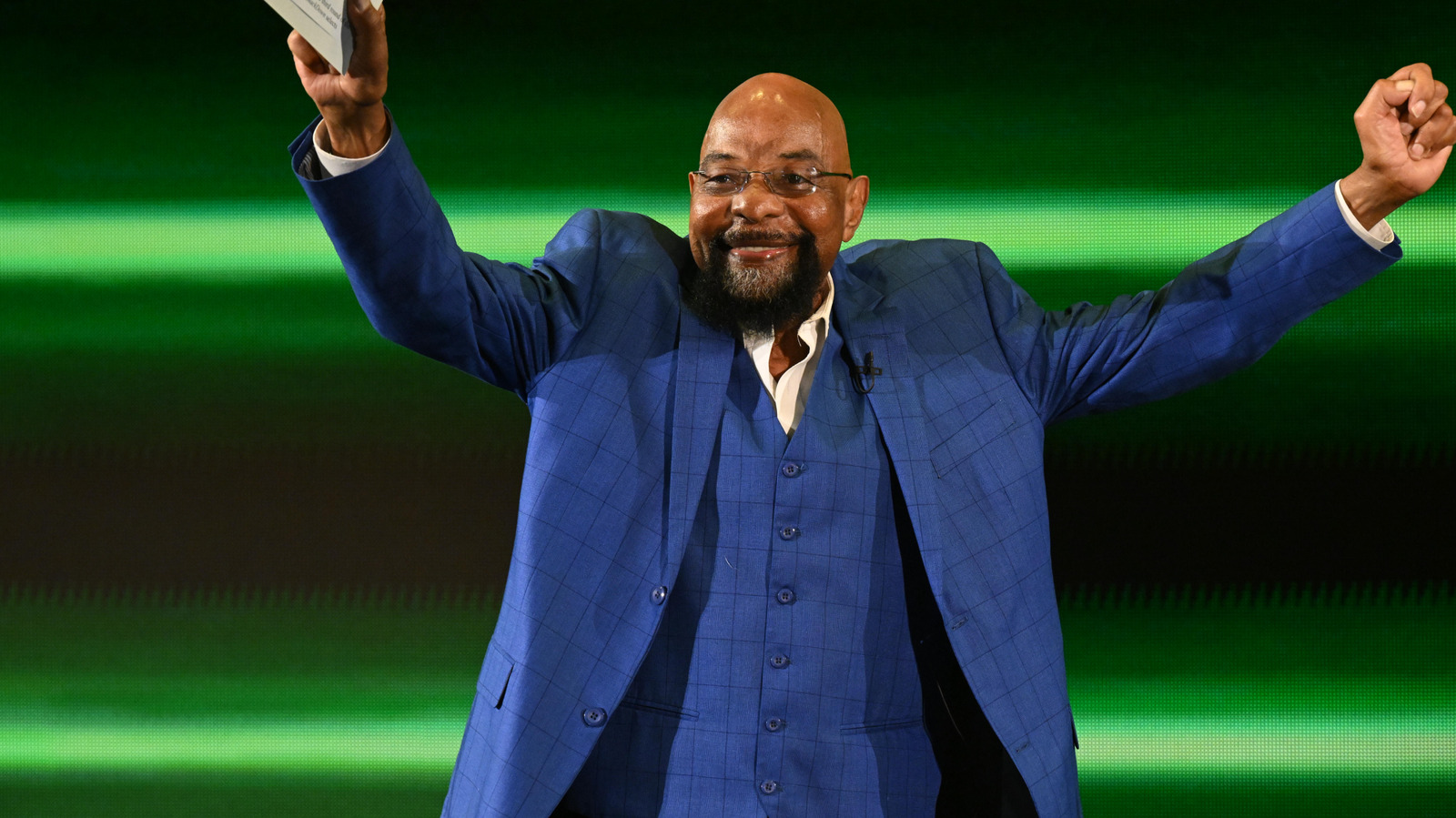
Management is also looking backward to fix present booking issues. It is common to see veterans chime in on today's stars, such as Teddy Long angling to manage Oba Femi. While the idea of a Hall of Fame mouthpiece sounds like a quick fix, it highlights a lack of confidence in the current generation of wrestlers finding their own voices on the microphone.
We have to question the reliance on legacy figures to elevate new talent. If Femi cannot generate his own heat without a veteran manager from twenty years ago guiding him, then the developmental process has internal flaws. The goal should be to create modern icons, not to turn current shows into a greatest hits compilation that distracts from the action in the squared circle.
Distractions in the grandest arena
Even the biggest nights are becoming cluttered. We saw a stark example of over-commercialization recently, with talent openly discussing the messy, corporate-heavy layout of major stadium shows. As Killer Kross highlighted regarding the pacing of recent shows, the sheer volume of advertising and sponsored segments can strip the intensity right out of a main event.
When a match is interrupted by brand integrations or non-wrestling segments, the work-rate suffers. Wrestlers rely on rhythm to tell a story; when you break that rhythm for a commercial, you lose the crowd. Professional wrestling functions on a delicate balance of physical stakes and emotional payoff. If the stakeholders prioritize ad revenue over the sanctity of the match length or the focus of the storytelling, the fans notice and the product quality dips.
The danger of looking over your shoulder
The industry is obsessed with safety and career longevity, which is a net positive given the grueling nature of the business. However, there is a mental toll that gets discussed far less than the physical one. We know from stories like Heidenreich nearing an exit over the fear of injuring Randy Orton that the weight of responsibility can paralyze a performer. Fear of reputation damage can make a wrestler wrestle 'small'.
Going forward, the product needs to lean into what works: focused, high-stakes matches driven by character rather than sponsorship. Expect a continued push for more legacy-driven storytelling this summer. It will result in high ratings but lower innovation. I predict we will see a decline in genuine, organic crowd reactions by late August as these repetitive booking patterns take hold. Reliance on the past is a temporary high, and the withdrawal from that strategy is going to be difficult to manage when the current creative cycle hits its limit.