The status of Rhea Ripley's recovery
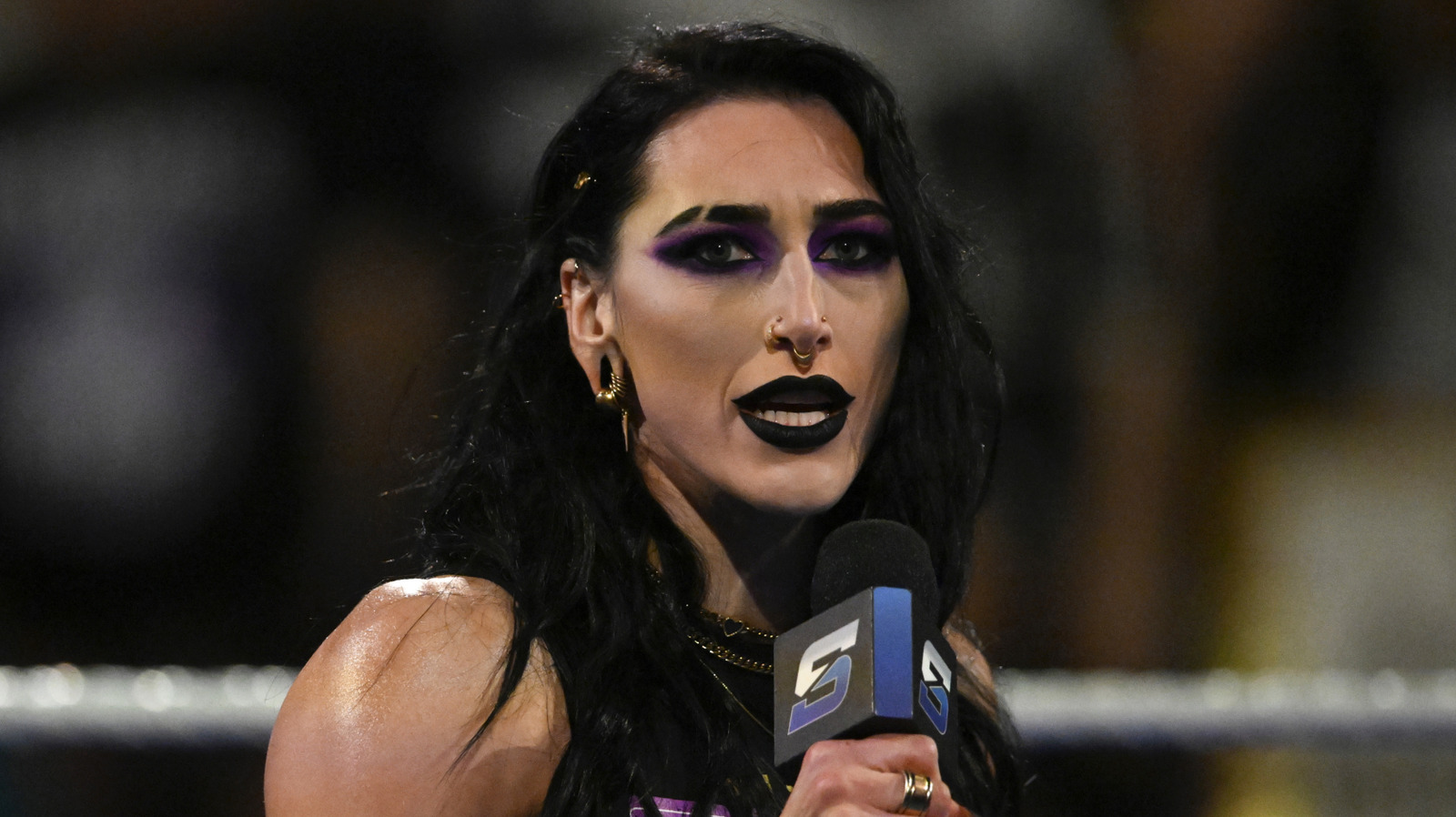
Rhea Ripley remains sidelined following a meniscus tear that forced the former champion out of action last month. The injury occurred during a period where Ripley was carrying the division, leaving WWE creative with a significant vacuum at the top of the card.
Reports indicate that the recovery process is proceeding, though no specific return date has been finalized. Sustaining a meniscus tear is a common hurdle for professional wrestlers, but the timeline varies based on whether the surgical repair requires a trim or a full stitch-up of the tissue.
Historical impact of meniscus injuries in WWE
Wrestling history is littered with momentum-halting knee injuries. Similar cases, such as the lengthy layoff required for cartilage cleanup, often see return windows ranging from three to six months depending on the severity of the tear.
Booking plans have shifted to account for her absence. When a top-tier performer like Ripley exits, the promotion frequently pivots toward multi-person matches to mask the loss of a singular main event focal point. This creates a reliance on established veterans to carry the television time until the roster depth recovers.
Strategic implications for the division
The absence of Ripley acts as a stress test for WWE’s current bench. Without her present to anchor the weekly segments, the promotion has leaned heavily into tag team dynamics and stable-focused storytelling to keep audience interest high during the summer months.
As reported by Wrestling Inc, the industry continues to monitor the recovery timeline provided by specialists. The loss of a star power engine changes the math for stadium-sized shows and premium live event buy rates.
Critical analysis of the pivot
Management choices during this injury window have been mixed. While giving screen time to rising talent is a net positive, some booking decisions feel disconnected from coherent long-term narratives. Relying on championship vacancies or interim title scenarios can sometimes feel like a temporary fix that fails to generate genuine heat.
The recovery of the knee is only the first step. Once cleared, Ripley will face the secondary challenge of regaining her explosive timing. In-ring mobility is non-negotiable for her style, which emphasizes power-based moves like the Riptide and high-impact strikes.
The return to the ring demands careful pacing. Jumping back into high-intensity spots immediately post-rehab often leads to secondary strains in surrounding ligaments like the ACL or MCL. WWE medical personnel typically enforce strict load management during the first month back on the road.
What to expect moving forward
Industry insiders are banking on a return that prioritizes longevity over a rushed comeback. For a performer with Ripley's physical output, a four-to-five month recovery cycle is the optimistic baseline for a full return to professional wrestling competition.
Competitors in the women's division have gained interim momentum, but the return of a main event talent often signals a correction in the booking hierarchy. Expect the creative team to build towards a signature return match once the medical staff provides the final clearance.
Failure to integrate the rest of the roster effectively while she is out will fall squarely on the writers. The current lack of a clear, singular challenger for the top spot highlights exactly how necessary Ripley is to the overall product. The brand is waiting for its anchor to return to port.