The Robot is in the Writer's Room, Folks
Remember that sinking feeling when you hear a corporate executive talk about "synergy" or "optimizing efficiencies" in wrestling? It usually means something sacred is about to get run over by a spreadsheet. Well, hold onto your Stone Cold hats, because the latest revelation from the TKO machine is a bona fide stunner: WWE is reportedly using AI for its storylines. Yes, the machines are apparently writing the angles.
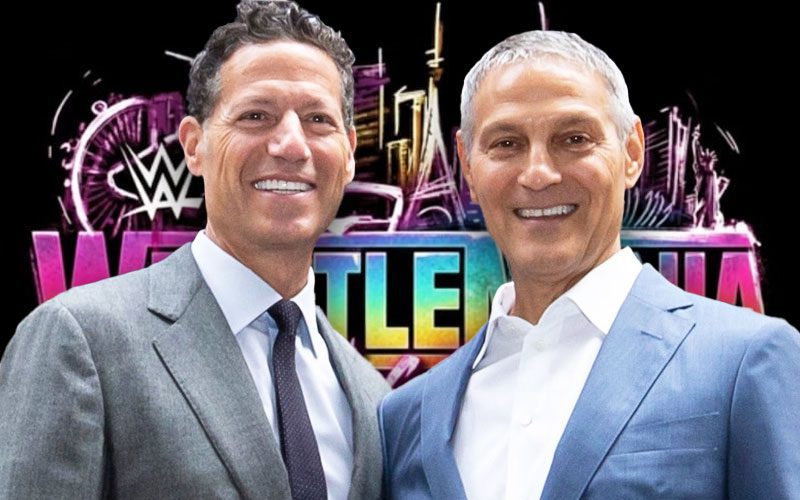
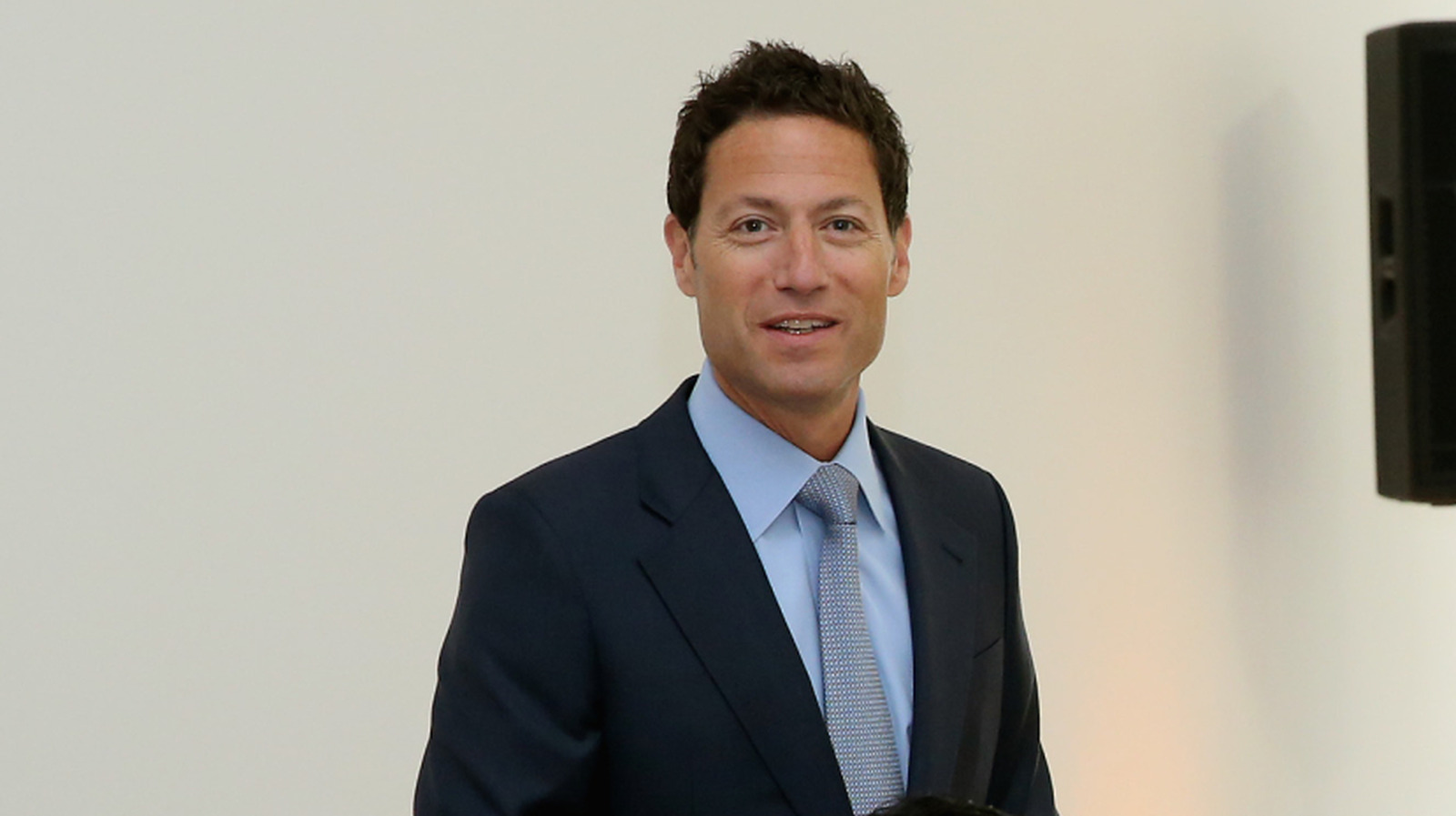
TKO President Mark Shapiro, the man who probably dreams in quarterly reports, casually dropped this bombshell during a company town hall meeting on Monday, April 27, 2026. It wasn't a PR blitz, it wasn't a major announcement on Raw; it was a blurted truth in an internal meeting, picked up by the wrestling news circuit like a dropped championship belt. Imagine the collective gasp in the digital dirt sheets.
The "Major Priority" and the Men Behind the Curtain
According to reports from that town hall, Shapiro didn't just mention AI in passing. He explicitly stated that integrating artificial intelligence into the creative process is a "major priority" for WWE. Let that sink in. The future of your beloved characters, the twists and turns that make you chant, laugh, or throw your remote at the TV, might be getting a Silicon Valley upgrade.
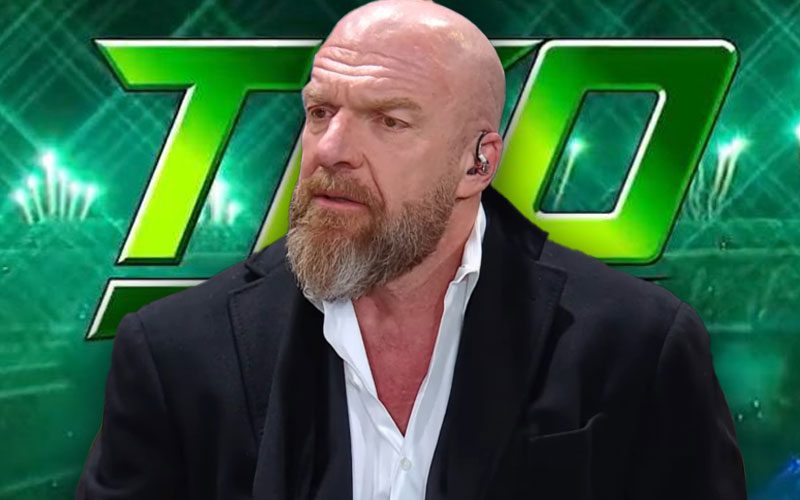
And who's at the helm of this digital revolution? None other than Nick Khan and Paul "Triple H" Levesque, according to some reports. The cerebral assassin, the architect of NXT's golden era, now reportedly sharing his pen with an algorithm. It's enough to make you wonder if the next great NXT call-up will be a piece of code named "Byte-Sized Brawler."
For years, wrestling creative has been seen as a dark art, a mix of gut instinct, fan feedback, and the occasional inspired genius. Now, we're being told it's a data science problem. Are they feeding it decades of booking patterns? Is the AI analyzing social media sentiment to determine who gets a push and who gets stuck in catering hell? The possibilities are both fascinating and deeply unsettling.
The Cold, Hard Numbers vs. The Human Heart
This isn't just some quaint experiment happening in a back office. When a corporate titan like Shapiro calls something a "major priority," it means money, resources, and serious expectations are attached. They're not dabbling; they're investing. This suggests a belief that AI can either enhance storytelling, cut costs, or, most likely, both.
But wrestling isn't just about optimal engagement metrics. It's about moments, passion, and the unpredictable chaos that makes us fall in love with it in the first place. Can an algorithm truly replicate the fire of a Stone Cold pop, the heartbreak of a Shawn Michaels retirement, or the slow-burn brilliance of a Daniel Bryan underdog story? Or will it just give us more mathematically perfect, emotionally sterile content?
The biggest criticism here is the chilling effect this could have on human creativity. If AI is dictating the beats, analyzing past successes, and predicting future trends, what room is left for the bold, boundary-pushing ideas that truly elevate the product? Are we destined for a world where every WrestleMania main event feels like a perfectly crafted focus-group output, devoid of genuine surprise?
The Unseen Hand and the Authenticity Crisis
Think about the classic wrestling rivalries. They weren't just a series of moves and counter-moves; they were personality clashes, deeply personal vendettas, and often, extensions of real-life grudges. Can an AI simulate that kind of raw, human emotion? Or will every feud start to feel like it's been generated by a Mad Libs game for wrestling tropes?
The wrestling audience is notoriously intelligent, often seeing the strings being pulled even before the curtain rises. How will this news impact their perception of what they're watching? Will every unexpected twist now be viewed with a cynical eye, wondering if it was an organic development or merely the output of a neural network trained on thousands of hours of 90s WWF? The reports from Shapiro's town hall have opened a Pandora's Box of questions regarding authenticity.
The immediate concern isn't that AI will write a terrible angle. It's that it might write a perfectly average, statistically optimized angle that lacks the spark of human brilliance. Wrestling thrives on imperfect characters, unexpected turns, and the sheer audacity of its creative team. An AI, by its very nature, tends towards the average, the predictable, the "safe" — and safe wrestling is usually boring wrestling.
The Future is Now, and it's Coded
The involvement of Triple H, a man whose creative vision was once hailed as the antithesis of Vince McMahon's often-criticized later years, is particularly jarring for many fans. Is he a willing participant, genuinely believing in the power of this technology to innovate? Or is he, like many in the new TKO corporate structure, adapting to the demands of a new era driven by data and digital optimization?
This isn't about AI replacing the entire writer's room overnight. It's likely about AI as a tool – but even as a tool, its influence can be profound. Imagine an AI suggesting the precise moment a babyface should turn heel for maximum shock value, or mapping out a championship reign based on historical audience retention data. It's a fundamental shift from art to algorithm, from instinct to instruction set.
Ultimately, the proof will be in the pudding, or in this case, in the main event. If WWE's storylines suddenly become hyper-efficient, devoid of logic gaps, and perfectly paced but also utterly soulless, we'll know who to blame. This revelation is a stark reminder that even in the world of larger-than-life characters and manufactured drama, the unseen hand of technology is pulling strings we never even knew existed.