The Honeymoon is Over
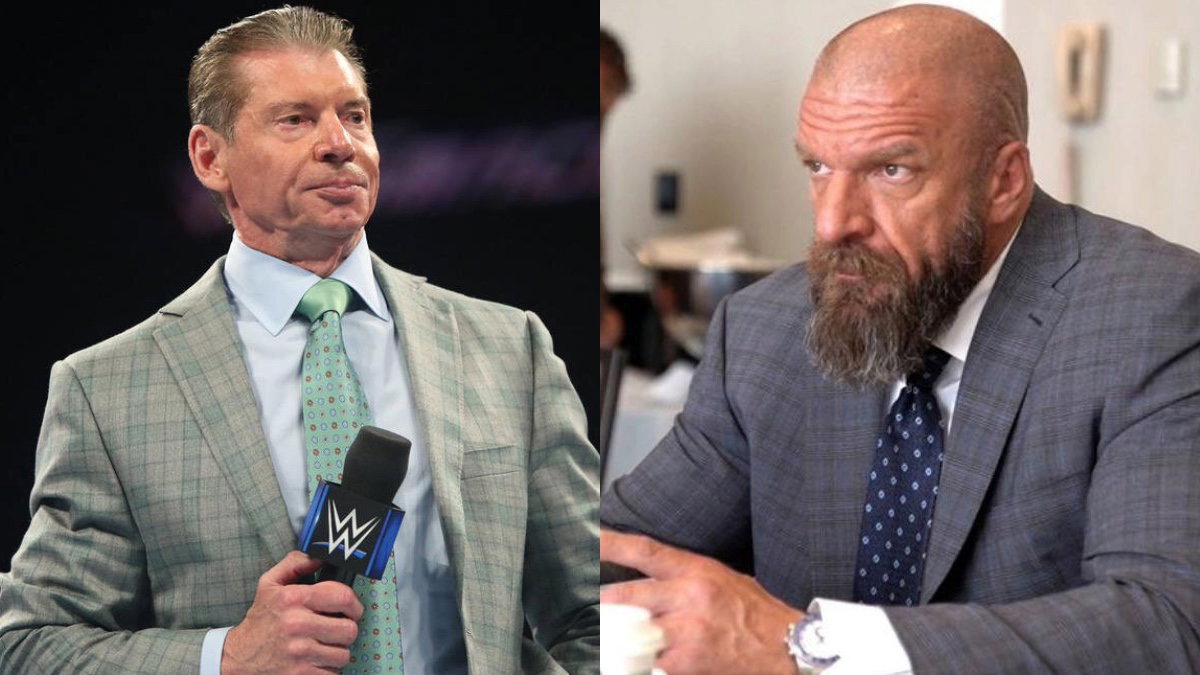
Everyone wants to believe Triple H has total autonomy. It feels good to think the creative process is finally shielded from the chaotic whims that defined the previous regime. The reality is much colder. WWE is a corporate asset now.
TKO Group Holdings doesn't care about work rate. They care about scale, profit margins, and corporate deliverables. If you look closely at the news trickling out this week, the cracks in the creative facade are widening. Dave Meltzer just dropped three distinct reports that, when viewed together, paint a very specific picture of where WWE is heading in the back half of 2026. Spoiler: it isn't pretty.
We are nine days away from WWE Backlash. The in-ring product right now is fine. But the structural decisions being made above the creative team are going to bleed into the television product. I'm predicting a significant drop in week-to-week television quality by the end of the summer, driven entirely by corporate mandates rather than creative missteps. Let's look at the evidence.
The Three-Hour Curse Returns
Let's start with the broadcast formatting. Meltzer provided an update on the "WWE SmackDown" runtime changes. The blue brand is reverting to a two-hour format temporarily, but the three-hour format will return.
This is a disaster waiting to happen. We have over a decade of data proving that three-hour wrestling shows suffer from severe pacing issues, audience burnout, and creative fatigue. A two-hour show forces bookers to be ruthless. Every segment must matter. Angles are tight. Matches have an actual purpose.
Let's look at the actual mechanics of a three-hour broadcast. A standard two-hour show gives you roughly 85 minutes of actual television time after commercials. You can fit four solid matches, three backstage segments, and an opening promo into that window. Everything breathes, but nothing stalls. A three-hour show bumps that to roughly 130 minutes. That extra chunk of time is a black hole.
Historically, WWE has filled that time by extending rest holds and adding multiple commercial breaks to single matches. The pacing gets destroyed. You end up with a main event that starts at 10:40 PM, rushing through a complex finish because the show has to get off the air before the hard cut. The internal analytics will show a ratings drop in that third hour, and the creative team will be forced to put bigger stars in the later slots, inherently weakening the middle of the show.
Meltzer's report that the three-hour format will return isn't just a scheduling note. It is a fundamental shift in how the shows have to be written. You can't book a tight, logical progression when you are desperate for content to appease the network. The creative team will start throwing things at the wall, and the match quality will plummet.
Favors and Nepotism in the TKO Era
Then we have the roster moves. The most alarming piece of news this week is WWE signing RFK Jr's niece. According to Meltzer, this was explicitly a "forced hire."
The reasoning? Connections to Linda McMahon and Triple H. This is the exact kind of backroom politicking fans hoped was dead and buried. A developmental system should be a meritocracy. You scout the best athletes, the best talkers, and the hardest workers. Forcing a hire onto the books because of political connections is a massive step backward.
It breeds absolute resentment in the locker room. Imagine grinding on the independent scene for eight years, taking bumps in high school gyms, only to lose a developmental spot to a political favor. It also compromises the integrity of the evaluation process. If Triple H is being forced to take on talent due to outside pressure, where does it stop?
If the chief content officer doesn't have final say on who gets a contract, he doesn't actually run the company. He just manages the assets TKO hands him. We've seen this before. Talents who are rushed to TV without the necessary reps are dangerous to themselves and their opponents. They blow spots. More importantly, the crowd sniffs it out immediately. Wrestling fans in 2026 are too smart to be fed a corporate project. They will reject it.
The Algorithm Threat to Creative Integrity
Finally, we have the technological shift. During a recent TKO town hall, executives openly discussed WWE's use of AI. Meltzer noted that this confirmed his previous reporting on the matter. TKO executives openly confirming this to staff is a massive red flag.
This should terrify anyone who cares about actual storytelling. Wrestling is an inherently emotional, human art form. It requires reading a live crowd, adjusting on the fly, and crafting narratives that resonate with human experience. You cannot algorithm your way to a great wrestling angle.
What exactly is WWE using AI for? If it's data analysis on merchandise sales, fine. But the moment it creeps into creative, we have a major problem. The current corporate structure loves efficiency. Writing ten hours of television a week is expensive. It is incredibly easy to imagine a scenario where AI is used to draft promos, outline show formats, or generate localized marketing copy.
That leads to a sterile, homogenized product. Wrestling thrives on the weird, the unexpected, and the deeply personal. An algorithm generates the average of everything it has consumed. It will write promos that sound like every promo you've ever heard. It will book matches that follow the most predictable statistical patterns. It strips the humanity out of the performance.
The Final Verdict
Look at these three developments together. A bloated three-hour television format returning. Roster spots given as political favors. The integration of AI into the corporate pipeline.
This is not a recipe for sustained creative excellence. This is the exact playbook for maximizing immediate shareholder value while slowly eroding the core product. The executives in suits are starting to dictate the plays on the field.
The writing is on the wall. You don't need to be an insider to read the tea leaves; you just need to pay attention to the corporate town halls. The era of Triple H acting as an autonomous shield for the creative team is ending. TKO is pulling the levers now.
My prediction is firm. Enjoy Backlash on May 9. Enjoy the immediate aftermath of WrestleMania 41. But watch the SmackDown format closely. When that third hour returns, mark the date. You will see the pacing slow down. You will see more video packages, longer entrances, and stalling tactics. You will see talent on screen who clearly aren't ready, pushed by corporate mandate rather than organic crowd reactions. The TKO honeymoon is officially over, and the corporate bloat is setting in.