The math behind the corporate takeover
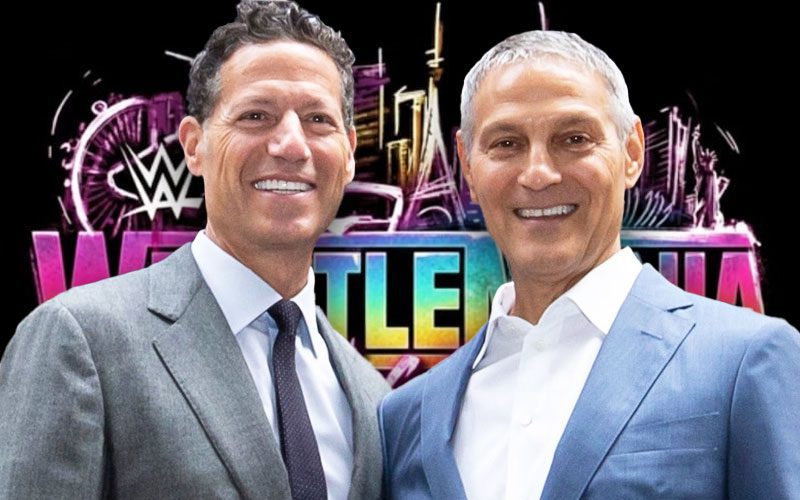
When the $21.4 billion merger between WWE and UFC closed to form TKO Group Holdings, the corporate line was simple and reassuring. Paul Levesque would retain absolute control over WWE creative, while Ari Emanuel and his executive team would handle the business side. Two years later, that dividing line has evaporated. Recent reports confirm what many observers suspected: TKO executives, notably Mark Shapiro, are now heavily dictating the actual on-screen product.
This is not a minor adjustment in corporate strategy. It is a fundamental shift in how WWE makes decisions. We are looking at a boardroom trying to write a wrestling show. The initial agreement promised autonomy for the wrestling side, but the reality of a publicly traded entertainment conglomerate has completely overridden that promise.
The push for mainstream integration is quantifiable and aggressive. Since the TKO merger, the volume of outside celebrity involvement has spiked dramatically. TKO wants viral clips, not necessarily coherent 12-month storytelling arcs. When you have a massive television rights deal to justify, the pressure to deliver immediate, mainstream-friendly moments becomes the driving force behind the booking.
Celebrity demands and backstage chaos
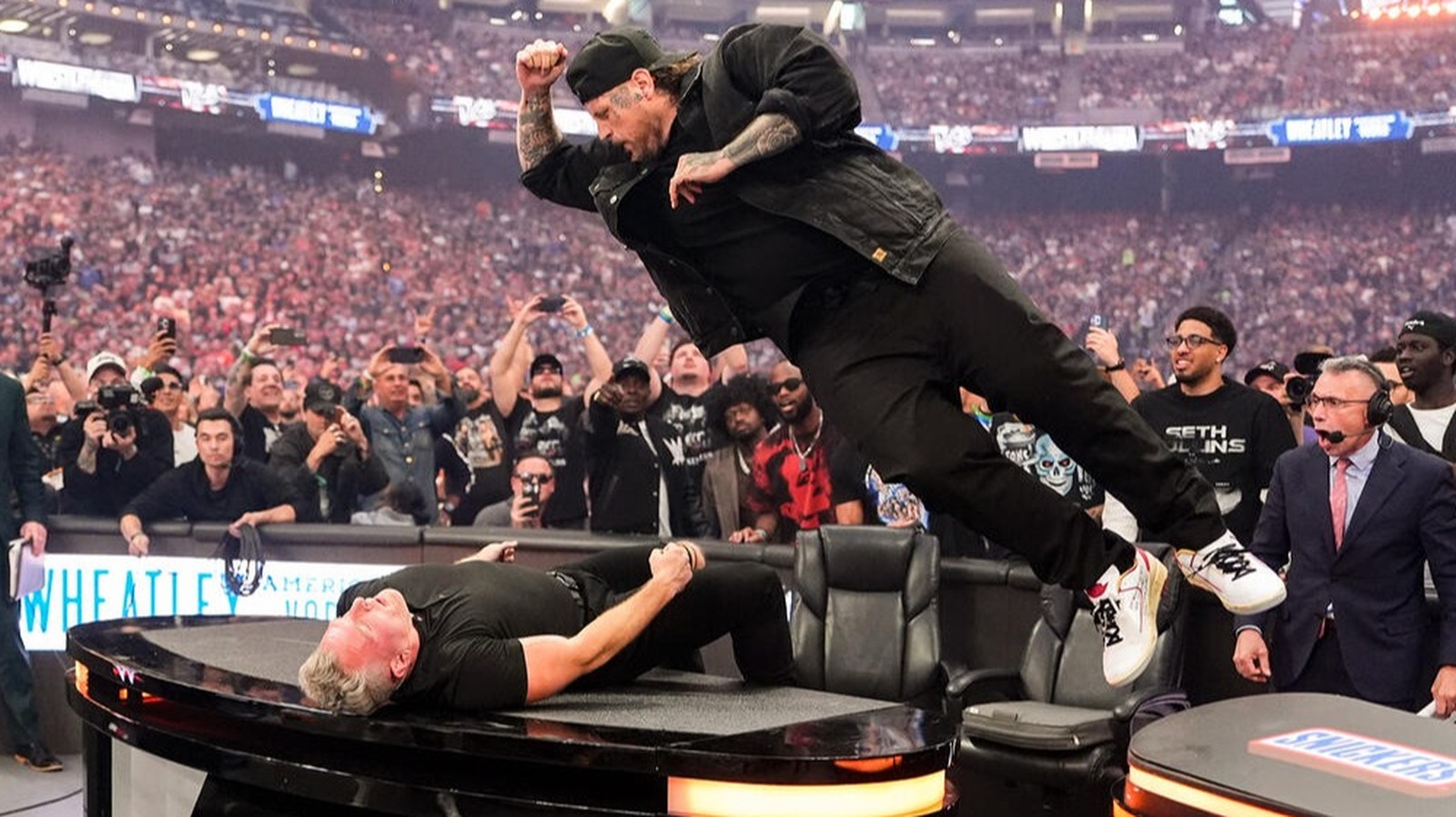
The recent reports of backstage chaos stem directly from this corporate mandate. TKO executives see celebrities as raw numbers. They look at social media followings and demand those figures be translated into television ratings. This creates a severe bottleneck for the actual creative team trying to map out a wrestling show.
We are seeing the consequences of this friction in real time. When a high-profile guest is forced into a major premium live event at the last minute, the entire card has to be reshuffled. Stories that took 16 weeks to build are suddenly paused or scrapped entirely to make room for a five-minute promotional segment. This is the glaring flaw in TKO's current approach.
Wrestling requires a suspension of disbelief that is carefully constructed over weeks of television. When a celebrity is shoehorned into a top spot because a financial metric demands it, the core audience notices the artificiality. The chaos reported backstage is a direct result of wrestling minds clashing with corporate spreadsheet demands.
The weight of a five billion dollar deal
You cannot separate this creative interference from the financial realities of WWE in 2026. The massive $5 billion Netflix deal for Monday Night Raw fundamentally changed the expectations placed on the product. When a streaming giant invests $500 million annually, the pressure to deliver constant, crossover-worthy spectacle is immense.
Endeavor's model has always been about packaging and selling. They executed this strategy flawlessly with the UFC, turning a combat sport into a highly sanitized, sponsor-friendly machine. Now, they are applying the exact same formula to WWE. But scripted entertainment is vastly different from a legitimate fight. You cannot algorithmically generate a compelling wrestling angle.
Reports indicating that TKO has 'complete control' over creative should alarm anyone who cares about long-term storytelling. The tension between the wrestling veterans and the corporate suits is obvious. You have a creative team trying to book a 52-week calendar, and an executive branch demanding immediate returns on their massive investments.
When the boardroom writes the script
Something has to give. The frustration bubbling up behind the scenes isn't an anomaly; it is the new standard operating procedure. When the people signing the massive checks also want to call the finishes in the ring, the wrestling product inevitably suffers. We are watching the corporatization of headlocks, and the math simply doesn't always add up.
TKO is playing a dangerous game with its core audience. Yes, the financial metrics and stock prices might look pristine right now. But wrestling history is littered with companies that chased short-term mainstream approval at the expense of their loyal fanbase. You can mandate a celebrity appearance, but you cannot mandate crowd reactions.
The creative chaos we are hearing about is just the symptom. The disease is a corporate structure that believes it understands wrestling better than the people who have spent their entire lives in the industry. Until TKO learns to trust its own creative department again, these backstage collisions will only get worse.