The long-distance relationship finally gets a date
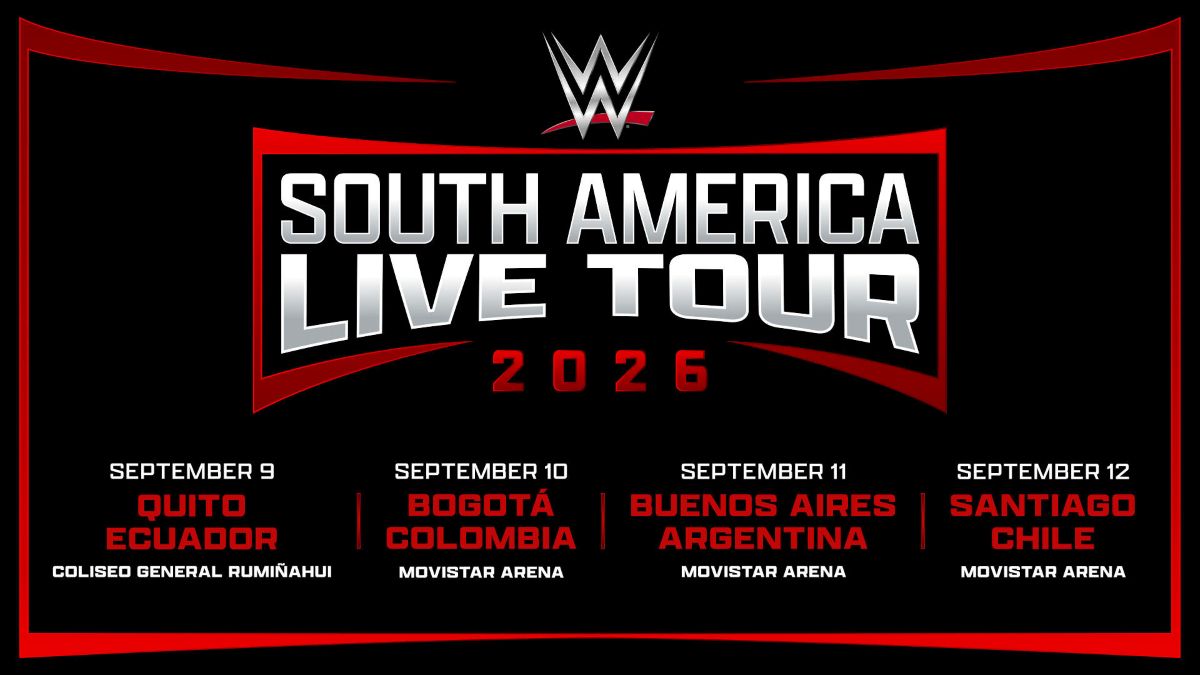
WWE is finally remembering that South America exists, and no, this isn't a glitch in the simulation. For the first time since 2016, the circus is heading back to Ecuador this September, proving that if you scream into the void for ten straight years, eventually a TKO executive will hear you over the sound of counting Netflix money. It is the ultimate long-distance relationship finally getting a physical meetup, and fans in Quito are currently treating May 7 like it is the launch of a new flagship LLM.
Think about where the world was ten years ago. In 2016, we were still arguing about Harambe and the brand split was just getting its second wind. Roman Reigns was getting booed out of every building in North America while the company tried to convince us he was the guy. Now, we are living in the post-WrestleMania 41 era where the Bloodline has more lore than a 100-page system prompt and Cody Rhodes is carrying the company on his back like a high-performance H100 cluster. To say the Ecuadorian fans have missed a few chapters is an understatement of galactic proportions.
The Nick Khan logistics machine never sleeps
Let's talk about why this is happening now. Under the old regime, international tours were often treated like a chore, something to be squeezed in between domestic loops. But under the current TKO management, every single stadium and arena is a data point to be optimized. They aren't just going to Ecuador for the vibes; they are going because the engagement metrics probably look like a vertical line. The global expansion isn't just a buzzword anymore; it is a relentless march for site fees and localized merchandising that would make a scalper blush.
The announcement that tickets go on sale May 7 is going to cause a digital stampede. If you think getting a front-row seat for a Taylor Swift show is hard, try explaining to a passionate South American wrestling fan why the queue is 50,000 people deep for a house show in September. The demand has been bottled up for a decade, and when that pressure releases, the server lag is going to be legendary. It is basically the equivalent of trying to run a massive inference job on a single consumer-grade GPU—the hardware is going to scream.
The A-show vs B-show reality check
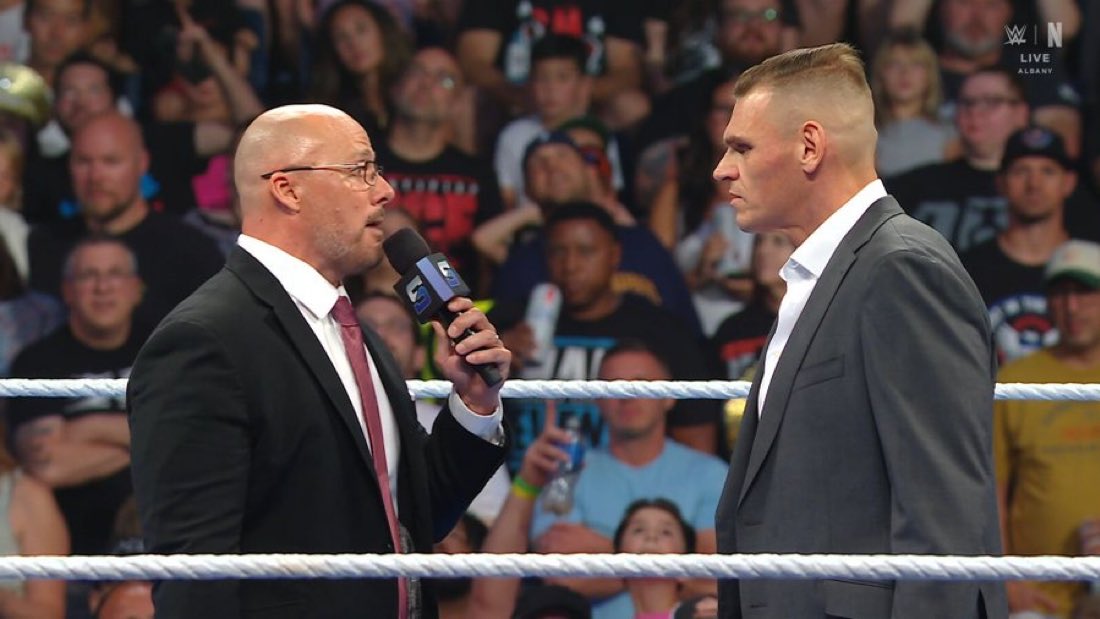
Here is where I have to be the guy who ruins the party. While everyone is celebrating the return, we have to talk about the inevitable roster lottery. International tours are notorious for being the 'B-side' of the booking sheet. We all want to see Cody Rhodes hitting three Cross Rhodes in a row or Gunther turning someone's chest into raw hamburger meat with a single chop, but the reality of travel schedules often means the top-tier stars are selectively deployed. If fans in Ecuador are paying premium prices for a show, they deserve the full WrestleMania-level experience, not a watered-down version featuring three-man tag matches and rest holds.
There is a recurring trend where international fans are treated like they should just be grateful the company showed up. We saw it for years with the old European tours where the biggest names would mysteriously disappear right before the flight. Given that this is a September tour, smack in the middle of the build for the fall season, the risk of 'Load Management' is high. If the main event ends up being a 15-minute chinlock battle between two midcarders who haven't been on TV in three months, that 10-year wait is going to feel even longer.
It is a massive slap in the face to charge top-dollar tickets for a roster that looks like a C-tier developmental loop.
The John Cena farewell factor
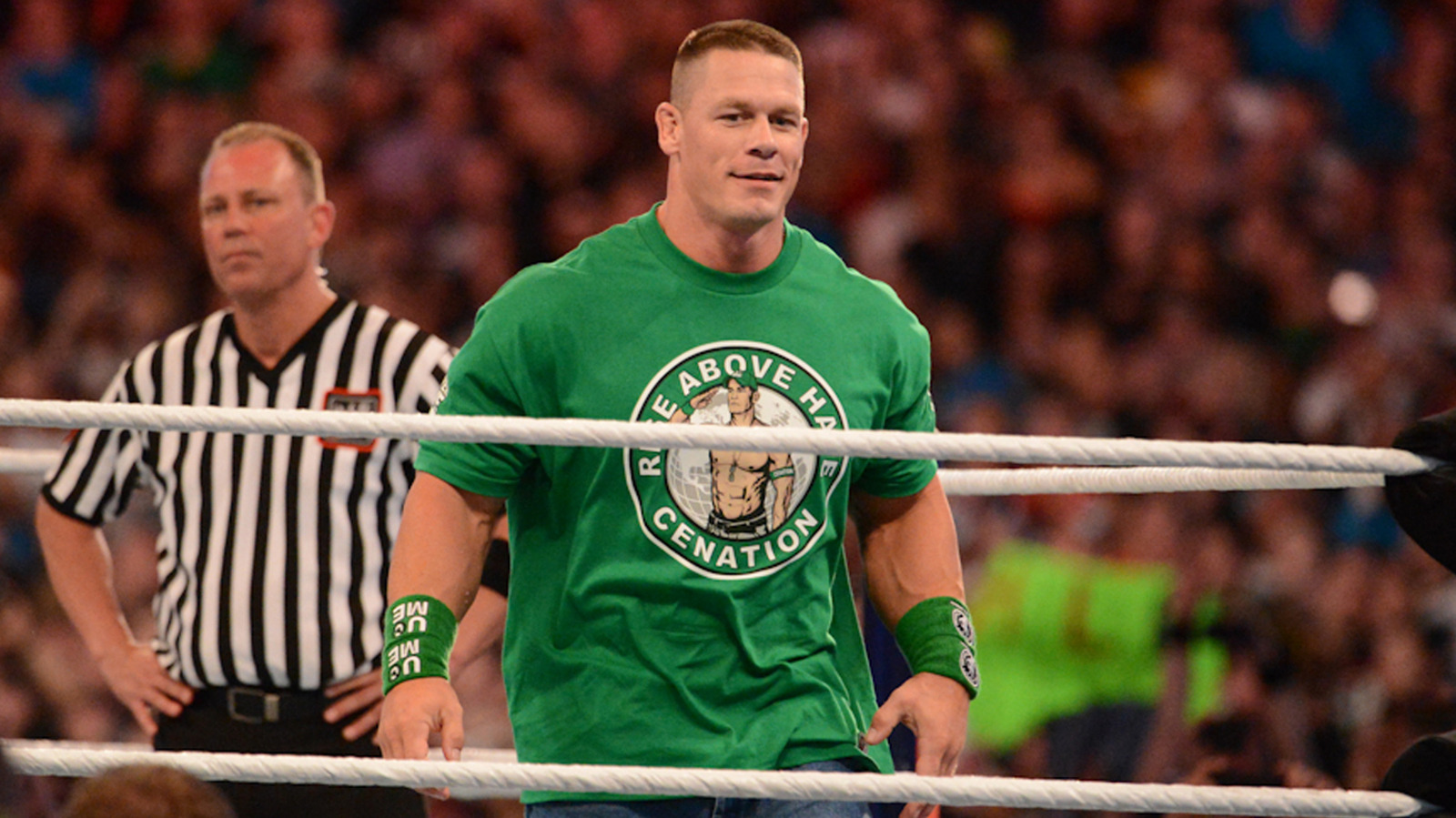
The real wildcard here is the John Cena farewell tour. We are currently in the middle of his 2026 goodbye, and every appearance he makes is treated like a religious experience. If Cena is on this South American loop, the ticket prices on the secondary market will hit levels that shouldn't even be legal. It would be the first and potentially last time a whole generation of Ecuadorian fans gets to see the 'You Can't See Me' gesture in person without a screen in the way. If he isn't on the poster, expect the mood to sour faster than an AI startup that just lost its venture funding.
Logistically, September is a weird month for WWE. You've got the post-SummerSlam cooldown and the transition into the winter builds. Historically, this is when the creative team starts to get a bit lazy, coasting on established rivalries. But for a market like Ecuador, they can't afford to be lazy. You are dealing with fans who have been feeding on YouTube highlights and pirated streams for 3,650 days. They aren't just looking for a show; they are looking for a memory that will last them another decade until the next time the TKO brass decides to check their map of the Southern Hemisphere.
Why South America is the new gold mine
For a long time, WWE ignored South America because the logistics were a nightmare compared to the established European loop. Flying an entire production crew, the ring, the lights, and fifty eccentric athletes across the equator isn't exactly a cheap weekend trip. But the economics have changed. With the rise of the 'Premium Live Event' model and the massive success of shows in Puerto Rico and France, WWE has realized that international crowds are simply louder, more passionate, and more likely to buy every piece of merch that isn't nailed down.
The crowd in Quito is going to be deafening. I'm predicting right now that the noise levels will break the broadcast audio. These aren't the jaded fans you see in some US cities who sit on their hands and wait to be entertained. These are fans who will sing along to every entrance theme, including the heels. They will chant for people who aren't even in the building. It is a specific kind of energy that makes for great social media clips, which we know is the only currency Nick Khan truly cares about in 2026. The May 7 on-sale date is basically the start of a five-month countdown to what will likely be the most chaotic atmosphere of the year.
The critical failure of the 10-year gap
Let's be real: leaving a market like this for ten years is a massive failure of brand management. You have potentially lost an entire demographic of kids who grew up without that 'first live show' experience. While WWE was busy chasing Saudi oil money and trying to make 'Fetch' happen in markets that didn't care, they let a massive, loyal fanbase in South America starve. You can't just flip a switch and expect 100% brand loyalty after a decade of ghosting. They are going to have to work twice as hard to prove that this isn't just a one-off cash grab before they disappear again until 2036.
The product in 2026 is objectively better than it was in 2016, which is the only thing saving this tour. If they were bringing the 2016-era 'Sufferin' Succotash' promos to Ecuador, the fans might have actually revolted. But with the current 'HHH' booking style—long-term stories, actual wrestling, and fewer 'poop jokes'—they have a chance to solidify a permanent foothold. The ticket prices will be the first test of that loyalty. If they are priced at $500 for a decent seat in a country where the average monthly wage is significantly lower than in the US, the 'fan-friendly' facade is going to crack immediately.
In the end, this return is a victory for the fans who never stopped tweeting #WWEecuador. It is a reminder that even in the era of hyper-optimized AI-driven business models, there is no substitute for a screaming crowd in a packed arena. Just make sure your internet connection is stable on May 7, because that ticket queue is going to be the final boss of your week. Don't say I didn't warn you when you're stuck at position 45,902 while some bot in Miami snaps up all the ringside seats.
Read Next
- WWE's quiet return to the London PC is a warning shot to the indies
- Top 10: Top Moments
- SmackDown's post-WrestleMania numbers tell us exactly where the Bloodline story goes next
- Top 10: The Wildest Wrestling Moments of 2026 So Far
- 🏆 WrestleMania 41 — Full Coverage Hub
- 👴 John Cena Retirement Tour 2026