The British wrestling scene has been enjoying a fragile, uneasy peace. For the last few years, the looming threat of WWE sweeping in and gutting the top of the card had mostly subsided. The collapse of NXT UK left a massive void in the market, but it also left oxygen. Promotions like RevPro and PROGRESS started breathing again. They built new stars. They sold out venues without constantly looking over their shoulders at the corporate machine in Orlando.
That peace is officially over.
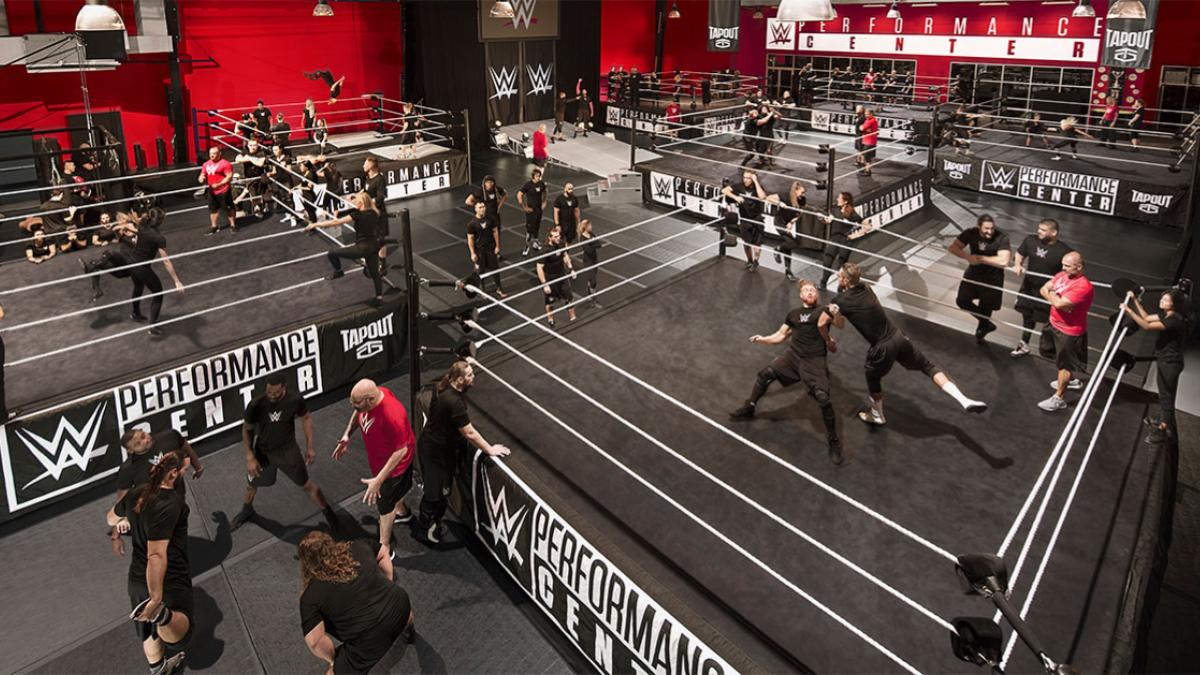
A new round of WWE tryouts is currently underway at the UK Performance Center facility just outside London. WWE Recruit confirmed the camp this week, and while they are keeping the attendee list strictly under wraps, the implications are glaringly obvious. TKO is making its move on European soil once again.
This isn't a PR stunt or a token gesture to the local fanbase. This is a scouting mission with a ruthless corporate mandate.
The silent engine in London
The timing here is not a coincidence. We are hurtling toward WWE Backlash on May 9, and the European market is clearly a major priority for the Endeavor-led front office. Running premium live events in Europe is highly profitable, but controlling the talent pipeline is where the real long-term power sits.
The UK Performance Center is not some glamorous television studio. Tucked away in North London, it is essentially a high-tech sweatbox designed to break people down and see what is left over. The mechanics of a WWE tryout are notoriously grueling. It is rarely about showing off your best springboard cutter or your chain wrestling transitions.
The first two days are almost entirely dedicated to cardio and basic functional movement. They run the hopefuls through blow-up drills until their lungs burn and their legs turn to jelly. The scouts want to see what happens when an athlete is exhausted. Do they get sloppy? Do they lose their temper? Do they quit?
You can teach a guy how to take a flat back bump. You cannot teach resilience when the lactic acid floods the system. Right now, that facility is full of hopefuls running the ropes until they throw up. The drills are brutal, repetitive, and entirely necessary.
The TKO mandate: Athletes over artists
When WWE runs tryouts in 2026, the criteria are drastically different than the Triple H super-indie era of 2017. They are not looking for the guy who can put on a 30-minute grappling masterclass at York Hall on a Friday night. They want clay they can mold.
Look at the recent recruitment classes coming out of the United States. They want track and field athletes. They want collegiate wrestlers. In the UK, that translates to scouting rugby forwards who move like cruiserweights, or powerlifters with explosive hip velocity. They are looking for raw athletic output, not pre-packaged indie gimmicks that come with bad habits.
If you are a 160-pound high flyer with a cool entrance but zero promo ability, this tryout is a fast track to rejection. The scouts in London right now are checking off very specific boxes. Height. Bone structure. Facial symmetry. Charisma in front of a red light.
The British independent scene is full of incredibly talented wrestlers who will never make it past the first round of these tryouts. That is the harsh, unapologetic reality of the current product. WWE is scouting for athletes who can eventually main event stadium shows, not guys who get polite applause in a community center. They want imposing figures who look good on a promotional billboard.
The AEW contrast
You cannot analyze this move without looking across the aisle. Tony Khan and AEW have taken a vastly different approach to European talent. Will Ospreay, arguably the best in-ring performer breathing right now, was built outside the WWE system. PAC made his name on the indies, went through the WWE machine, and then reverted to his grittier roots in AEW.
AEW is happy to take the finished product. They want the guy who has already figured out his character and his moveset in front of tough crowds.
WWE does not want the next Will Ospreay. They want a 21-year-old blank slate that they can turn into a 250-pound monster. They want athletes who do not know any better, who will not argue about ring psychology, and who will learn to work the hard camera from day one. It is a factory line, and the UK PC is simply a regional intake valve for the factory.
There is a distinct tactical shift in how WWE Recruit operates now. They are aggressive. They are not waiting for talent to make a name for themselves in Japan or Mexico. They are going straight to the source, finding raw athletes in the UK, and offering them the TKO developmental machine before anyone else can get a hook in them.
The ghost of NXT UK
It is impossible to talk about the UK PC without talking about the graveyard of NXT UK. That brand launched in 2018 with massive fanfare, effectively monopolizing British talent with exclusive contracts. It gutted the top tier of the European scene. And then, quietly, it was shut down, leaving a massive roster out of work and scrambling for bookings.
Fans and wrestlers in the UK have every right to be fiercely skeptical. Why should anyone get excited about another round of tryouts when the last project ended so abruptly?
The key difference this time is integration. There is no talk of a standalone European brand right now. The goal is to feed the main pipeline. Whoever gets signed out of this London camp is not staying in London. They are getting a ticket to Florida. They will be integrated directly into the core NXT system in Orlando.
That makes these tryouts infinitely more valuable to the talent, and infinitely more dangerous to the local promotions. If WWE spots a raw, athletic heavyweight with a background in rugby league, they aren't going to let him do a two-year tour of the indies to learn the ropes. They are going to pull him into the system immediately.
This is a smash-and-grab operation, plain and simple.
Tactical breakdown: The TV-ready worker
So what exactly are the trainers looking for when they evaluate these athletes in the ring? It comes down to spacing and timing.
Independent wrestling often relies on frenetic pacing. It is about getting all your stuff in before the time limit. WWE wrestling is about the spaces between the moves. It is about letting the crowd digest a kickout. It is about selling the ribs for thirty seconds before making the comeback.
The scouts are watching footwork. They are looking for athletes who do not cross their feet when they run the ropes. They want to see who can naturally find the hard camera after hitting a strike. If you watch a seasoned WWE veteran, their body positioning is immaculate. They never turn their back to the primary lens unless it serves the story.
The trainers at the UK PC will intentionally disrupt a drill to see how the talent reacts. They will change the instructions mid-match. They want to see who panics and who adapts. A wrestler who relies entirely on a memorized sequence will fail in this environment. The WWE main roster is chaotic, scripts change ten minutes before airtime, and you need performers who can improvise under pressure.
There is also a massive emphasis on safety and simplification. The independent scene is currently obsessed with neck-bump variations and dangerous apron spots. WWE wants none of that in a tryout. Show them a crisp, safe suplex. Show them a fundamentally sound lockup. The flashy stuff can be added later; the foundation is what gets you a contract.
Prediction: The final cut
These camps usually host around 30 to 40 athletes. In the past, WWE might have signed a dozen of them just to stockpile talent and keep them away from competitors.
My prediction? They sign far fewer this time, but the contracts represent a much heavier investment. I expect to see exactly three direct signings from this current London camp. If we break down the archetypes, the breakdown looks like this:
- One massive heavyweight with a background in powerlifting or professional rugby, brought in purely for size and explosive power.
- One female athlete with an elite gymnastics or track pedigree to feed the women's division pipeline.
- One established indie name who possesses the physical frame to satisfy the front office and can serve as a locker room anchor for the younger recruits.
They will not sign anyone under six feet tall unless they are a truly generational talent. The metrics have simply changed under TKO.
The UK PC is open for business again, and the machine is hungry. The local promotions better brace for impact, because WWE is not here to play nice. They are here to take the absolute best raw materials, pack them on a flight to Florida, and leave the rest behind. The gold rush is back, and the indies are about to get strip-mined.