The Corporate Checkmate
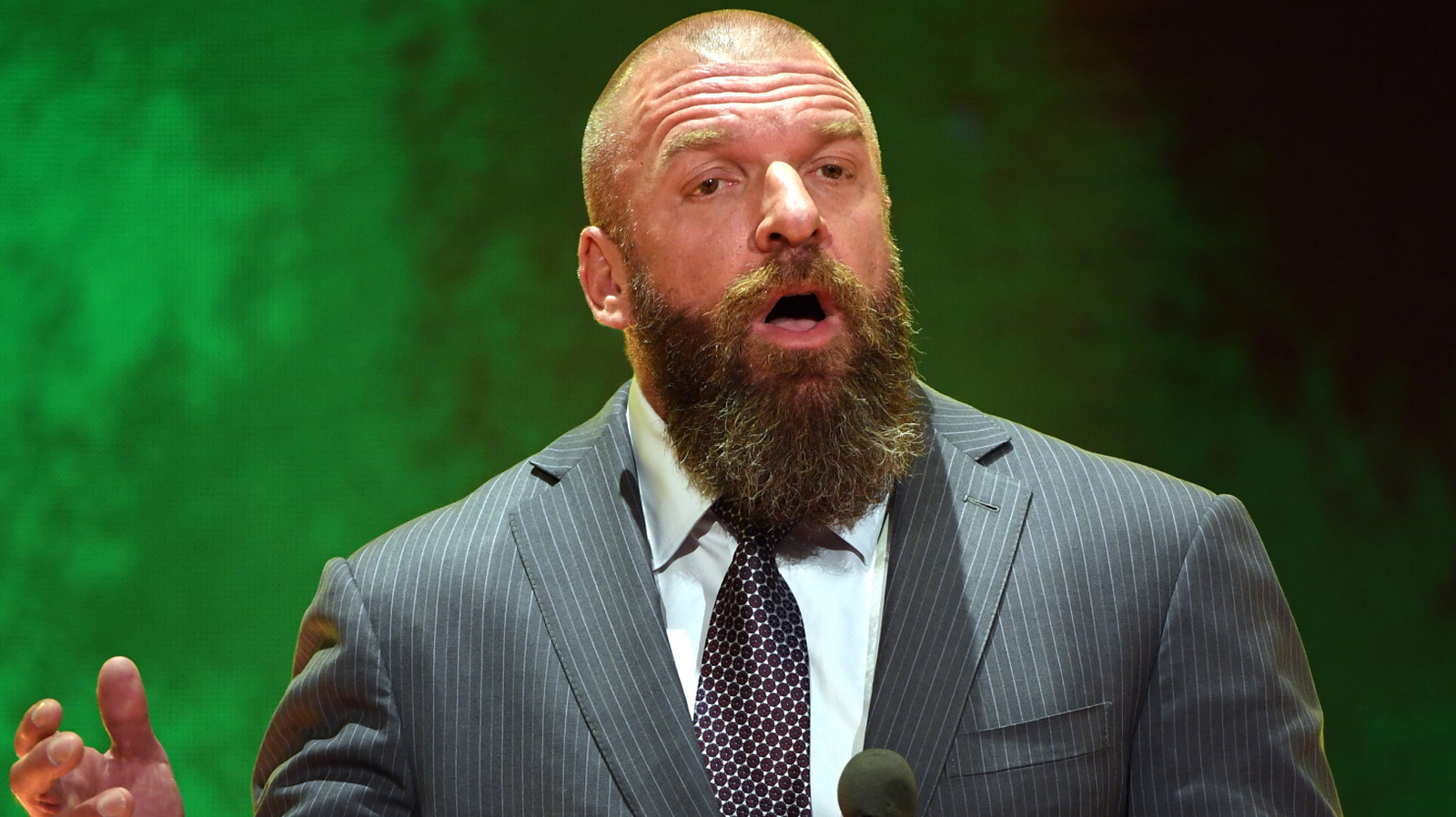
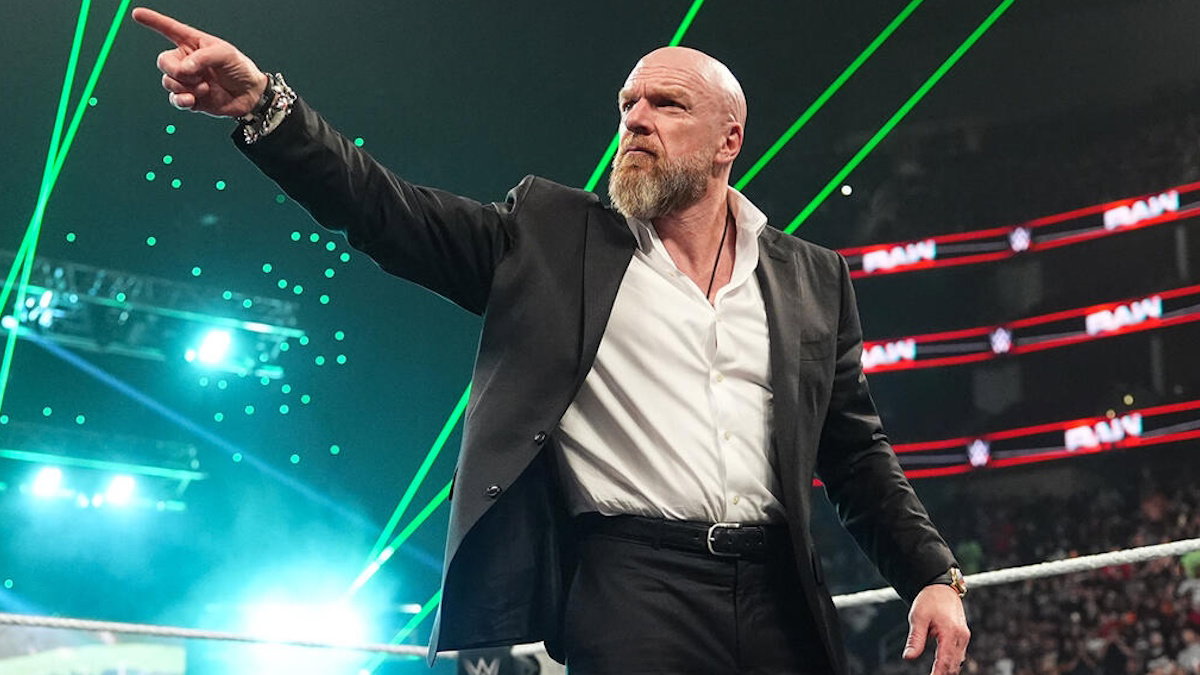
Paul Levesque isn’t going anywhere. That much is clear. The news dropped this week that he’s signed a new multi-year deal to remain WWE’s Chief Content Officer under the TKO banner. The press releases will be glowing. The spin will frame this as the ultimate validation of his creative vision.
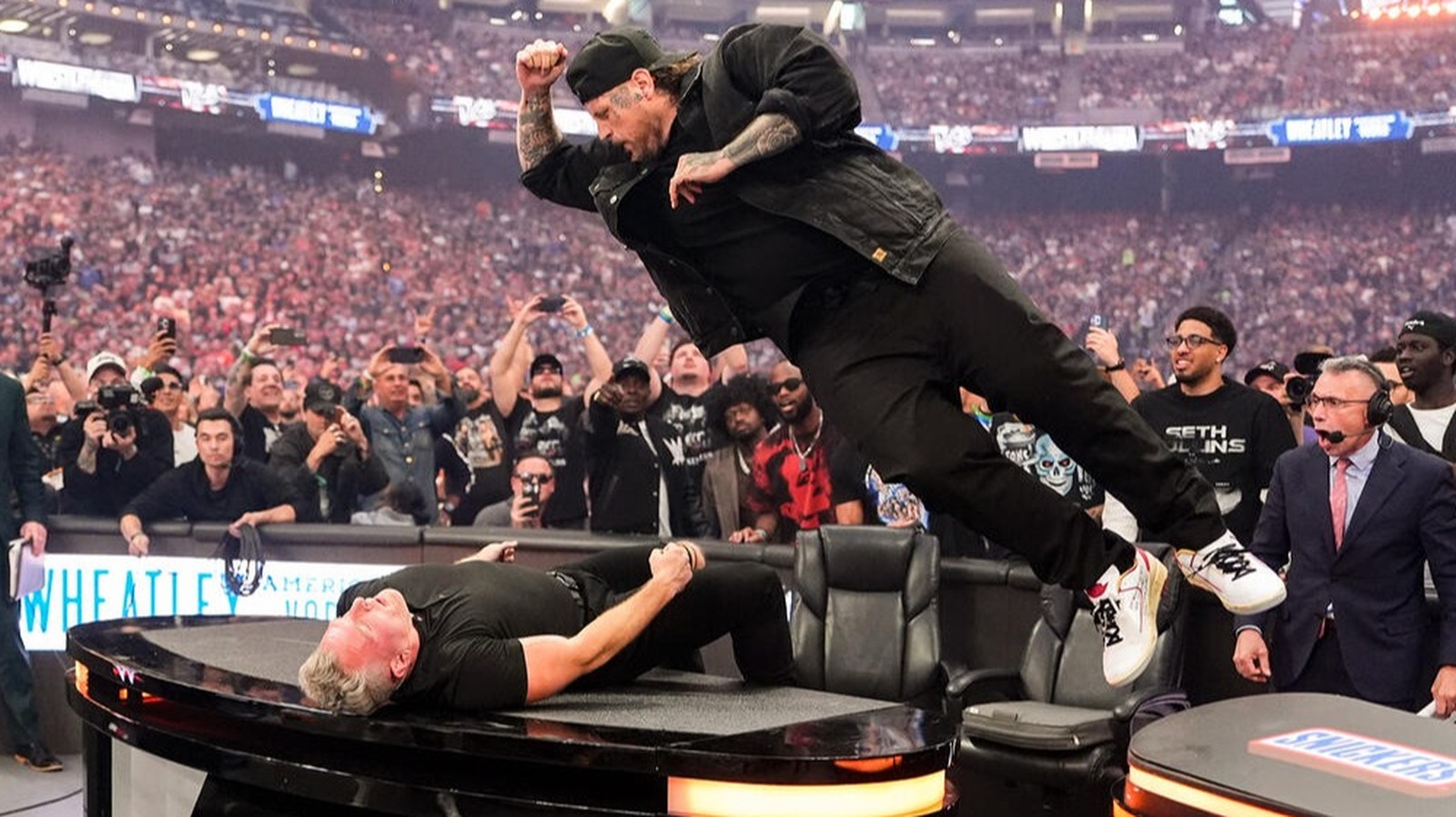
On paper, this looks like a coronation. He navigated the chaotic transition from Vince McMahon, delivered a massive WrestleMania 41 in Las Vegas just weeks ago, and kept the ship steady during a turbulent corporate merger.
But the most telling detail isn’t the signature on the contract. It’s the whisper that preceded it. According to reporting, Levesque’s status was not as rock-solid as the public believed.
Levesque's future was "in doubt internally" before the ink dried.
Why would the architect of WWE’s most stable creative period in two decades be on shaky ground?
Because TKO isn't a wrestling company. It’s a content factory. And the metrics are starting to demand a different kind of product.
Levesque books wrestling like a 1980s territory promoter who stumbled into a billion-dollar TV deal. He loves slow-burn storytelling. He loves long, dominant title reigns. He prefers methodical builds over hot-shot television. It's a formula that relies heavily on the audience trusting the process.
That approach rebuilt fan trust. It healed the wounds of the erratic, late-stage McMahon era where scripts were torn up hours before going live. But it also creates intense friction when the audience—and the corporate board—wants something faster, louder, and more immediate.
The #WeWantKairi Warning Sign
Look at the recent social media hijacking. Levesque tried to hype an IYO SKY vs. Asuka match online. To a pure wrestling purist, that’s a dream match. It’s two of the best workers in the world squaring off. What did the fans do?
They completely rejected the premise and flooded the replies with #WeWantKairi.
This isn't just an isolated incident of internet whining. It’s a glaring symptom of a larger structural flaw in the Levesque administration. He frequently assumes the audience will patiently wait for the story he wants to tell, even when they are screaming for the story they want right now.
We saw the exact same stubbornness with Cody Rhodes. We’ve seen it with LA Knight's initially delayed push. Levesque’s methodical pacing is often framed by his defenders as "letting it play out." But increasingly, it looks like a lack of agility. He builds a six-month roadmap and refuses to deviate, even when a detour is clearly the better route.
TKO executives don't care about a six-month narrative arc. They look at daily engagement. They look at quarter-hour ratings. If a hype post for a major television match is being actively rejected by the fanbase, they don't see passionate fans engaging with the product. They see missed monetization and a disconnect between the booker and the consumer.
The WrestleMania 41 Hangover
We are just ten days out from WWE Backlash on May 9. We just witnessed WrestleMania 41. It was a massive spectacle. The gate at Allegiant Stadium was astronomical. But the television product immediately following the biggest show of the year has felt shockingly paint-by-numbers.
The Backlash card feels like a collection of obligatory rematches rather than the start of a fresh season. This is the ultimate Triple H trademark. He peaks his stories in April and then takes his foot off the gas. He treats the early summer like a rebuilding phase.
TKO can’t afford off-seasons. Netflix isn't paying massive rights fees for a post-WrestleMania cooldown. They are paying for year-round viral moments. They want to open the app in May and see the same level of urgency they saw in March.
This is exactly where the internal doubts originated. Ari Emanuel and the Endeavor executives are not nostalgic for the NWA. They are comparing WWE’s social metrics directly to the UFC’s. They want controversy, immediacy, and undeniable, crossover stars.
Levesque’s insistence on 20-minute in-ring promos to set up standard tag team matches doesn’t cut it in an algorithm-driven media environment. The television ratings for the third hour of Raw regularly show significant drop-offs. The matches are technically excellent, but the weekly stakes are artificially low.
The Shawn Michaels Alternative
If TKO was genuinely questioning Levesque’s future, who were they looking at to replace him? The answer is sitting in Orlando.
Shawn Michaels has quietly turned NXT into the most consistently entertaining wrestling television show on the air. He books with a frantic, chaotic energy that Levesque severely lacks. NXT has actual surprises. It has overlapping storylines that don't always end cleanly. It feels dangerous. It feels young.
When you compare the pacing of a two-hour NXT episode to a three-hour Raw, the difference is jarring. Raw plods. NXT sprints. Michaels understands modern television pacing better than his boss. He understands that a gritty backstage brawl shot on an iPhone often generates more heat than a meticulously scripted contract signing in the middle of the ring.
The TKO board has undoubtedly noticed the difference in critical reception between the two products. They see NXT trending for its unpredictability while Raw trends because fans are complaining about a lack of Kairi Sane.
The Inevitable Restructure
So, we have a newly minted CCO with a multi-year deal, but a corporate overlord that wants more juice from the squeeze. How does this play out?
My prediction is simple, and it will happen before the end of the year. Paul Levesque will remain Chief Content Officer in title, but he will be forced to relinquish granular control of weekly television booking.
He cannot write five hours of live television a week while also managing the corporate integration with TKO. The internal doubts were a warning shot from the board. Sign the deal, keep the title, but change the process.
By Survivor Series, we will see a formal division of labor. Levesque will handle the macro storytelling—the WrestleMania main events, the long-term character arcs, the international strategy. But the micro booking, the week-to-week pacing of Raw and SmackDown, will be handed to a creative committee heavily influenced by Michaels and a younger crop of writers.
Why It Has to Happen
Let’s look at the data again. During the peak of the Bloodline saga, quarter-hour ratings grew consistently throughout the broadcast. Viewers stuck around because the story felt urgent. Right now, viewers are tuning out at the 10:15 PM mark. They know the main event will end in a predictable disqualification or a run-in.
The Kairi Sane movement is proof that the audience is getting restless with the rigid structure. They want chaos. They want unpredictability. They want a show that rewards them for watching live, rather than a show they can comfortably catch up on via YouTube clips the next morning.
Levesque’s great strength was restoring dignity to the championships and basic logic to the booking. He accomplished that mission. He stopped the bleeding.
Now, the company needs a massive shot of adrenaline. TKO knows this. Levesque knows this, even if he stubbornly refuses to admit it. The new contract isn't a mandate to keep doing the exact same thing. It’s an extension to oversee a necessary evolution of the product.
If he doesn't adapt, the next internal leak to the dirt sheets won't be about doubts. It will be about a finalized succession plan.
Watch the pacing of the shows heading into Backlash in ten days. If they remain slow, methodical, and aggressively predictable, the clock is ticking loudly on Levesque's solo run as the head of creative. He won the war against Vince McMahon. Now he has to survive the algorithm.
Read Next
- Triple H secures his future at WWE with a massive new multi-year deal
- Vince McMahon's legal nightmare is finally off the guardrails
- NXT's move to The CW is a brilliant business play that will ruin the matches
- Swerve Strickland's creative limbo and Carmella's looming return redefine the April medical report