WWE trademark habits are as predictable as ever
The branding treadmill stops for no one
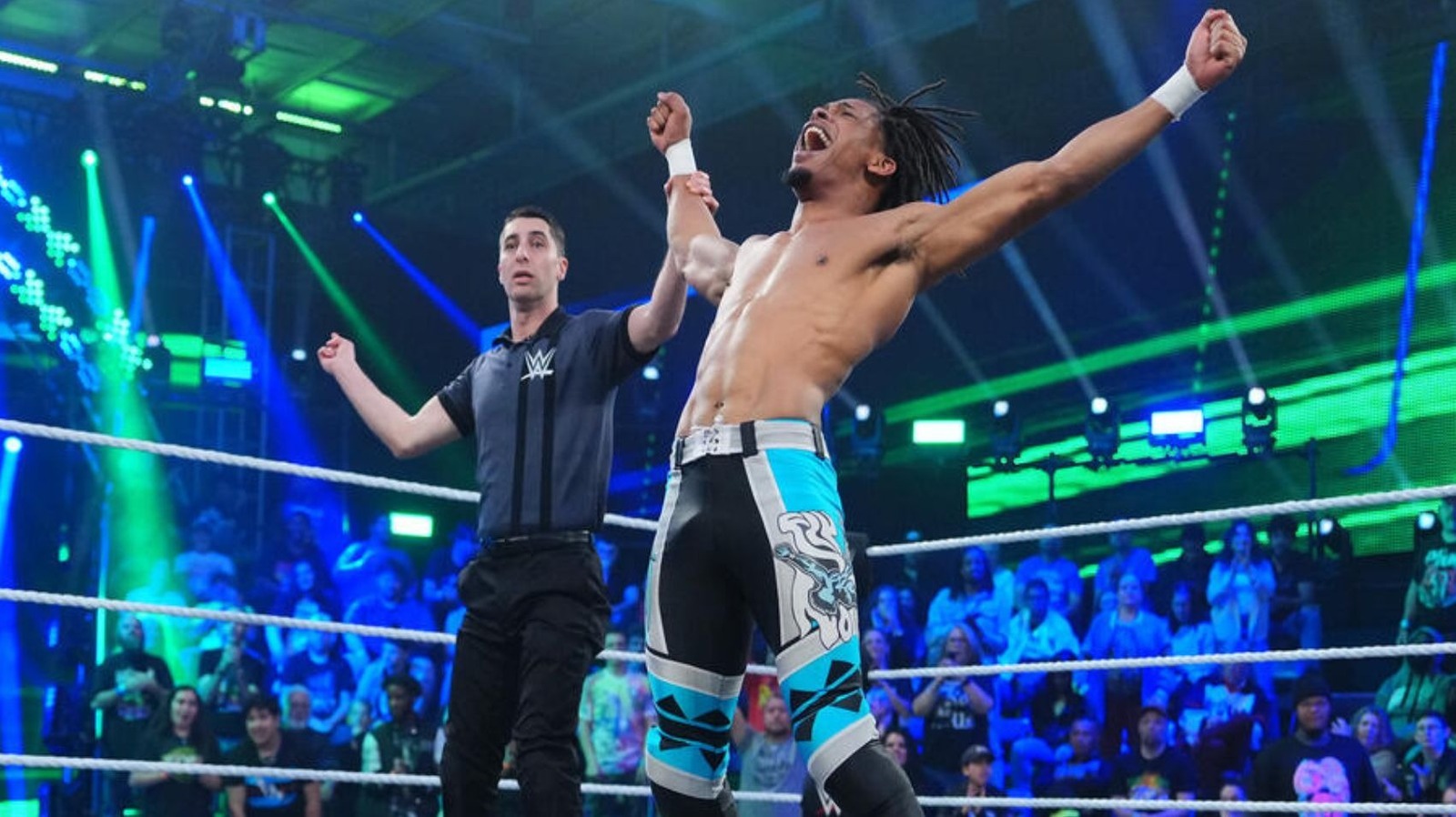
WWE recently finalized the rebrand of NXT prospect Eli Knight to EK Prosper. This shift is hardly groundbreaking, yet it mirrors a persistent corporate obsession with ownership. When a performer moves from the independent circuit to the Performance Center, their identity is rarely treated as an asset to be polished. Instead, it is frequently viewed as a blank slate for legal departments to overwrite.
The move to strip away the established Eli Knight moniker suggests that management prioritizes total control over the existing equity a wrestler brings to the table. By filing for a new trademark, the company secures its ability to market merchandise and social accounts without any residual claims from the performer’s past. It is a sterile approach to character development that prioritizes intellectual property law over organic connection with fans.
Missing the chance to build momentum
Eli Knight occupied a space on the independent scene that allowed him to cultivate a specific internal rhythm. When a promotion decides to rename a talent, they force that performer to restart the trust-building process with the audience. Changing a name three weeks before major events like the upcoming WrestleMania 41 festivities adds an unnecessary layer of friction for the viewers navigating the card.
This philosophy ignores the reality of how fans consume modern wrestling. We live in an era where audiences follow independent careers through streaming services and social media highlights before a talent ever sets foot in a WWE ring. Erasing a name creates an artificial barrier between the performer's history and their current trajectory. It attempts to rewrite their past instead of integrating it into a cohesive narrative.
The pitfalls of administrative wrestling
There is a recurring flaw in this strategy that remains invisible to front-office executives. When a talent is forced into a generic name like EK Prosper, they lose the specificity that made them stand out in the first place. You don't have to look further than the recent security collapse in autonomous agents to see how an over-reliance on rigid internal logic leads to catastrophic failures. In wrestling, the failure is softer—it’s just a lack of star power—but the root cause is the same.
Instead of focusing on creative arcs or compelling ring work, resources are dumped into trademark filings and database updates. We are seeing a shift toward a product that feels increasingly manufactured rather than discovered. If the goal is to create the next main event star, the focus should remain on execution, not administrative scrubbing. Relying on the legal rebranding playbook does nothing to increase engagement on a mid-card Tuesday night match.
The process of renaming talent is a direct attempt to force compliance with a centralized brand vision that values uniformity above all else.
The transition from Knight to Prosper might seem minor in the short term, but it signals a persistent disregard for talent branding. Every time a wrestler is forced to transition, they effectively bleed a portion of their initial support base. For a company chasing high-margin growth, they are paradoxically eroding the very individual value that fills the seats. Booking decisions are difficult enough without creating extra baggage for the performer.
WWE Elite Collection Series 110 Drew McIntyre Action Figure
Highly poseable, museum-quality action figures for the true collector.
Frequently Asked Questions
What is the new ring name for Eli Knight in NXT?
Why does WWE change the names of incoming wrestlers?
How does rebranding talent impact wrestling fans?
What is the primary criticism of WWE's rebranding strategy?
When was the rebrand of Eli Knight to EK Prosper finalized?
More Coverage

Drew McIntyre sidelined following brutal SmackDown encounter
52 minutes agoWWE's New York gamble is a calculated risk ahead of WrestleMania 42
an hour ago
WWE's Saturday Night's Main Event math doesn't add up
an hour agoWWE's return to New York changes the math on stadium attendance
an hour ago
Top 10: Top Moments from MSG
2 hours ago
SmackDown is drifting into mid-summer malaise
2 hours agoMore Analysis
WWE's trademark machine is churning out names faster than talent can use them
3 months, 3 weeks ago
WWE's latest trademark games hint at a desperate creative pivot
1 month, 1 week agoWWE’s latest trademark filing suggests a shift in character development
3 weeks, 3 days ago
WWE's trademark machine is churning out names faster than talent can debut
3 months, 3 weeks ago
WWE’s branding obsession is masking deeper consistency issues
3 months, 2 weeks ago