The State of the Ring
The first quarter of 2026 has been defined by a chaotic transition in booking philosophies and corporate restructuring. WWE is currently leaning into high-stakes, marquee-heavy television, while industry veterans continue to filter out of the machine as the internal pace accelerates beyond sustainable levels.
1. Road Dogg Exits WWE
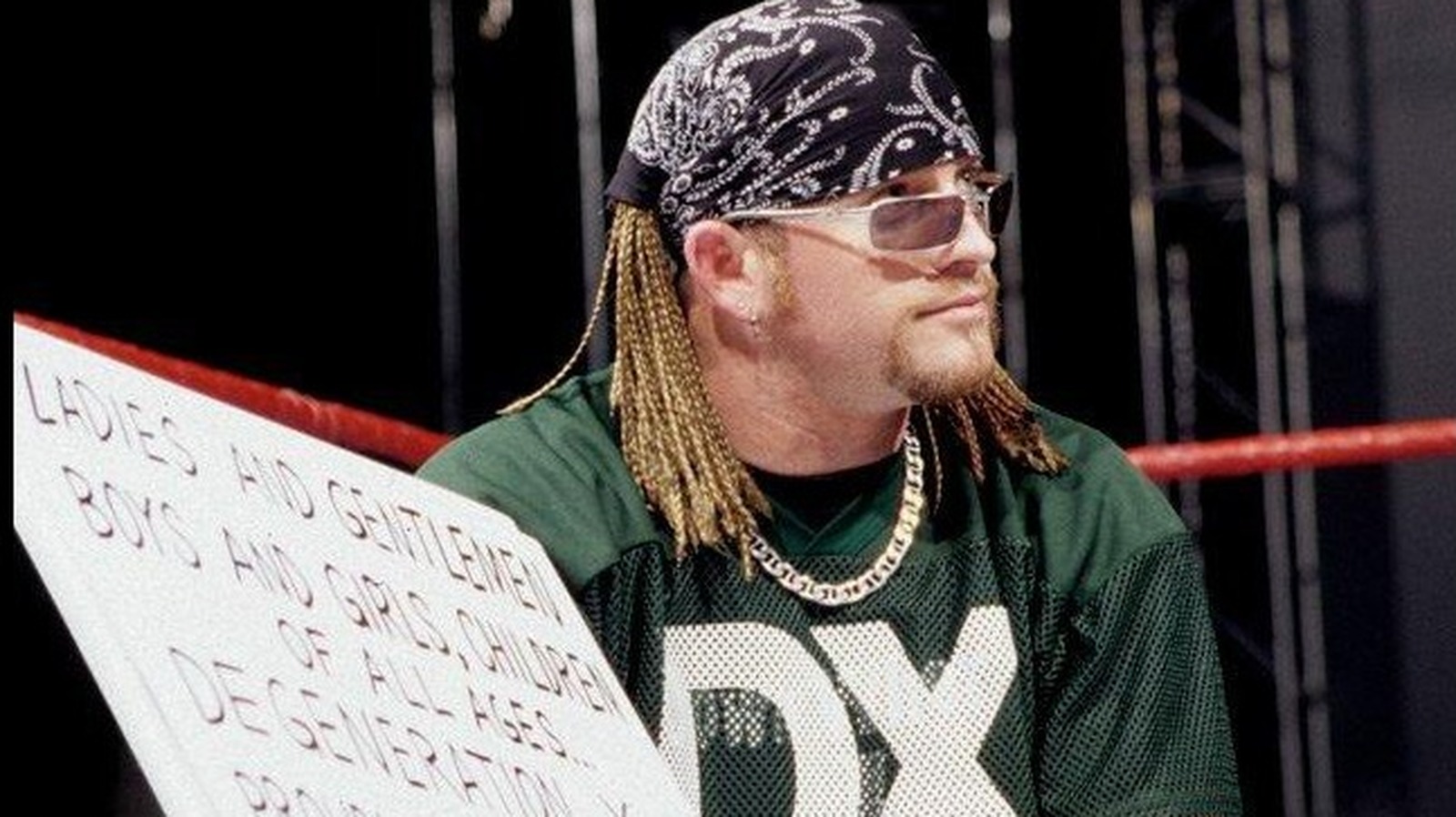
The departure of Brian James, better known as Road Dogg, serves as the defining moment of the quarter for those tracking institutional knowledge. After holding nearly every backstage role in the company, James stated that the primary reason for his exit was that the business was moving too fast for his current pace. As Wrestling Inc reported, his candid admission highlights the grind inherent in modern WWE operations. His absence leaves a massive hole in developmental oversight, a risk the company decided it could absorb for the sake of efficiency.
2. WrestleMania 41 Build
We are currently sitting 16 days out from Night 1, and the card is finally forcing some long-term stories to pay off. The intensity of the build for April 19 and 20 has eclipsed recent years, mostly because the creative team has stopped oscillating between disparate directions. The reliance on legacy talent for the main event builds feels tired, yet effective for market saturation.
3. Mid-Card Championship Resurgence
Mid-card belts held by talent like Austin Theory and Bron Breakker actually feel like they matter again. The booking team has shifted away from using these titles as props for veterans. Instead, they are being defended in high-octane slots that often out-perform the main event segments.
4. The Performance Center Shakeup
Internal restructuring at the Performance Center has led to a noticeable spike in athletic output on Tuesday nights. Coaches are prioritizing technical chain wrestling over the generic brawling that plagued the brand for the latter half of 2025. It is a win for the product, even if the transition period caused some clumsy in-ring segments.
5. The Tag Team Revival
Tag team wrestling is officially seeing more screen time than it has in the last two years. The decision to invest in coherent units rather than randomly paired singles wrestlers has added depth to the roster. If they keep the momentum, this could be the best division in the company by the end of the year.
6. Increased Female Division Autonomy
The women's division has been given more autonomy to craft promos without heavy script oversight. This is why character work has improved significantly since January. Seeing performers own their persona instead of reciting a producer's notes is a welcome shift away from the stagnation of the previous booking cycle.
7. The Return of Cage Matches
Steel cage matches are back as a primary mechanism to end feuds, after a three-month hiatus from the stipulation. They used the spots effectively, keeping the blood and high-risk maneuvers contained to specific blow-offs. It shows at least one sensible restraint in an otherwise over-served television product.
8. Marketing Overhaul
The marketing push for upcoming premium live events has shifted to a digital-first approach targeting younger demographics. They are cutting the fluff and focusing on high-energy clips for social platforms. It brings a fresh look, though the constant repetition becomes grating if you watch the full three-hour broadcasts.
9. Commentary Team Rotations
The recent instability in the commentary booth has been a consistent distraction. While the play-by-play quality is higher, the constant swapping of color analysts makes it difficult to build a consistent tone throughout a broadcast. It feels like an experiment that hasn't quite stuck the landing.
10. The Booking Slog
This is the most critical failure of the quarter: the three-hour block of television often feels entirely empty. Too many segments are dedicated to recap videos rather than advancing meaningful feuds. The commitment to filler, despite having a deep roster, is a clear sign that the creative team is still struggling to fill the airtime effectively.
Honorable Mentions
The surprise appearances of legends during January house shows provided a short-term ratings boost, but ultimately served no long-term utility. Additionally, the tightening of the injury protocol has kept more talent on the sidelines, negatively affecting house show quality in the short term. While this protects the bottom line of the big events, it makes weekly television feel like a skeleton crew operation.