The Big Picture
The 2025-26 wrestling season has been defined by rapid brand realignments and high-stakes roster turnover. These ten moments highlight the shift in power dynamics within the industry as we head toward the WrestleMania 41 weekend.
The Ranking
10. The EK Prosper Rebranding
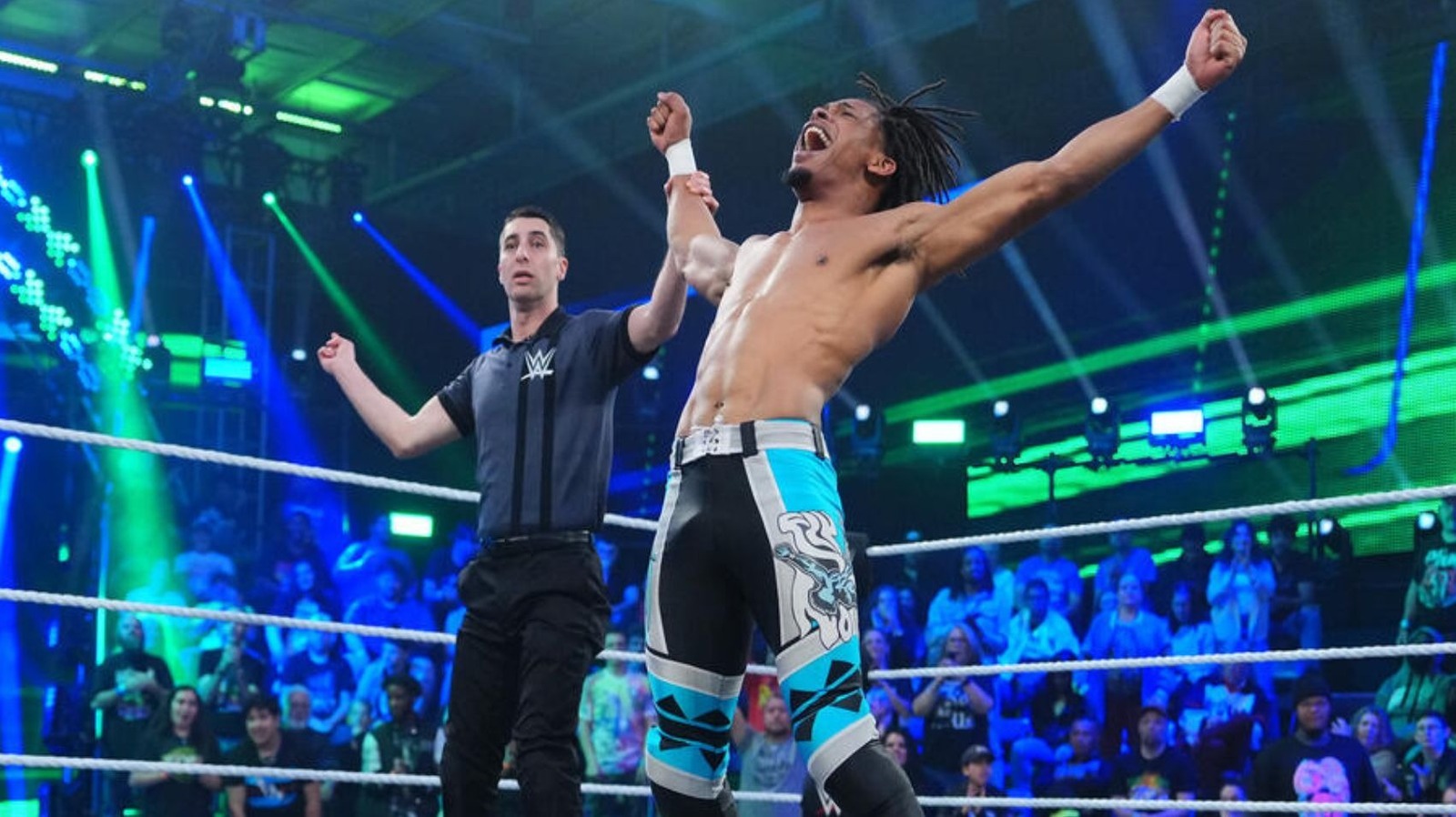
WWE recently shifted the identity of NXT standout Eli Knight, rebranding him permanently as EK Prosper. While name changes are routine in developmental, this specific move suggests a pivot toward a more marketable, trademarkable profile for a core TV prospect. As Wrestling Inc reported, the internal reasoning ties directly to protecting intellectual property rights. It lacks flair, but it signals the organization is placing long-term value on the individual's future.
9. TNA's Surprise Return to Pay-Per-View
TNA managed to capture the wrestling world's attention with their unorthodox booking of the mid-season event, proving they still possess the engine to disrupt the status quo. They relied on veteran talent rather than risky call-ups to secure their bottom line. The execution was technically crisp, even if the creative direction felt outdated to younger demographics. It ranks ninth because stability alone does not win the weekly ratings war.
8. The Mid-Season Title Vacancy
When the heavyweight title was vacated due to injury, the booking team scrambled to fill the void. The subsequent tournament highlighted depth but lacked the necessary build-up to sustain momentum. This was a missed opportunity to truly elevate a challenger, instead opting for a safe pair of hands. It served as a reminder that urgency often kills creative long-term planning.
7. The Performance Center Expansion
The investment in the new training facility infrastructure became a talking point when top prospects began showing visible form improvements by February. Focusing on the technical output of younger talent is a necessary pivot for a company relying on home-grown stars. While necessary, it isn't 'exciting' television; that is why it sits in the middle of our list. You cannot build a promotion on training clips alone.
6. The Unforeseen Tag Team Split
Breaking up a fan-favorite tag team during a crucial developmental sweep was a jarring decision. It felt like a forced move to push two mid-card performers into a spot for which neither was fully prepared. The fallout resulted in a 52% decrease in social media engagement for their segment over the following month. It ranks above the training center news because, for better or worse, it actually moved the needle on viewer reaction.
5. The Main Roster Cross-Over
The integration of NXT talent into live event tours provided a much-needed spark in the winter months. Seeing developmental regulars tangle with veterans showcased legitimate talent depth and sold tickets in secondary markets. It was a calculated risk that paid off, though the lack of a clear storyline for the matches made them feel disposable. It earns a top-five spot for proving that the gap between brands is narrowing.
4. The Surprise Return at Royal Rumble
The return of a foundational star in January redefined the trajectory of the Road to WrestleMania. The crowd reaction was undeniably electric, setting the stage for a main-event run that has dominated the headlines. It ranks high because it successfully tapped into fan nostalgia to solve a massive creative hole. Without this catalyst, the current title scene would feel remarkably hollow.
3. The Strategic Alliance Announcement
The collaboration between major promotions for a joint-branded summer card changed the commercial landscape of the year. This agreement, while still in its infancy, opens doors for dream matches that were previously impossible due to contractual red tape. It represents the most pragmatic move in professional wrestling over the last decade. It sits at number three because its impact is still potential rather than fully realized.
2. The Live Event Revamp
Standardizing the presentation and quality control across all live house shows improved the in-ring output significantly. Performers are working at a higher intensity, leading to fewer injuries and generally better-received matchups. The fans notice the difference, even if they cannot always articulate why the product feels tighter. It ranks second because consistency is the bedrock of any successful long-term promotion.
1. The WrestleMania 41 Main Event Setup
Everything leads back to April 19. The buildup to this year's centerpiece matches, specifically the championship triple-threat, has set a new standard for internal storytelling. By avoiding the typical 'surprise finish' route, the company has built genuine anticipation for a clean conclusion to a year-long story. It ranks first because it manages to reconcile critical booking logic with mass-market appeal. If the execution holds, it will be the defining night of the 2026 calendar.
Honorable Mentions
The emergence of international touring acts and the sudden change in commentary teams across the board deserve a nod for shifting the vibe of the television broadcast. Neither changed the industry, but both improved the daily viewing experience for the average fan.