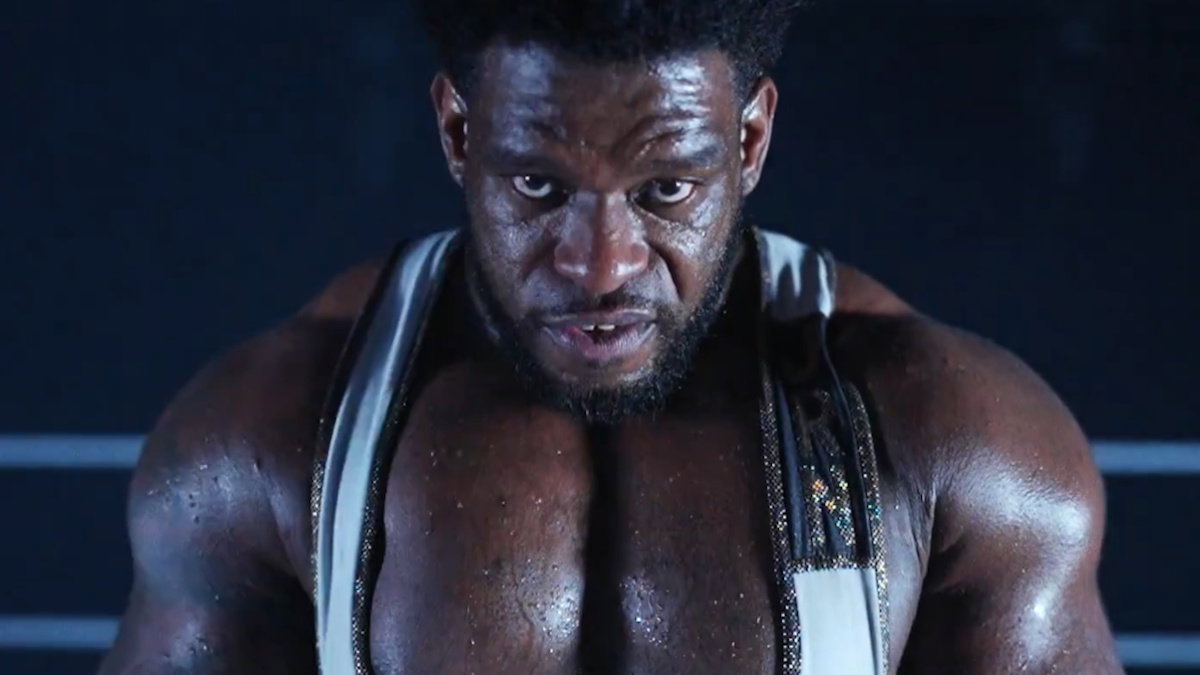
WWE's trademark machine is churning out names faster than talent can use them
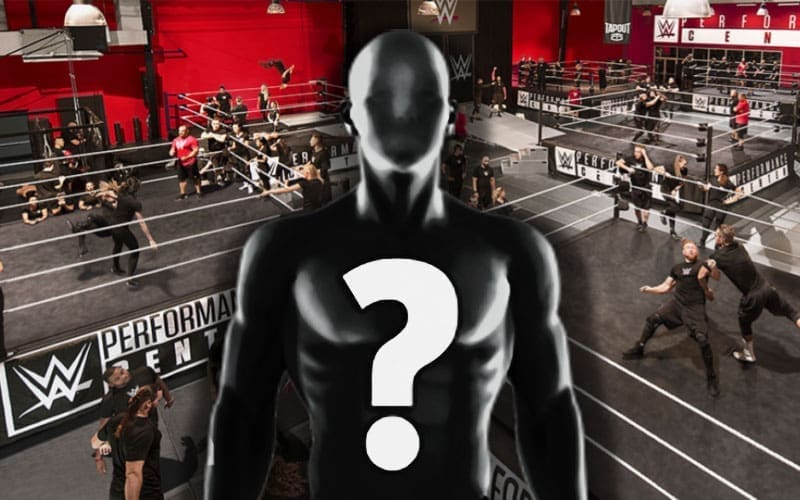
The branding game never stops
The internal machinery at WWE regarding intellectual property is a relentless beast. We see it every few weeks: a flurry of filings hitting the USPTO, signaling the next wave of rebrands or character shifts. It is a cynical process, often stripping away the independent identities of wrestlers who spent years building their own equity on the indies.
This latest round of filings, as Ringside News recently reported, connects a specific moniker to a recent tryout standout. It is a reminder that the Performance Center is not just an athletic facility; it is a laboratory for marketing executives to refine and sanitize professional wrestling personas.
The cost of the corporate machine
There is a recurring frustration with this approach. When a wrestler arrives with a name that carries weight, the instinct to immediately replace it with a trademarked asset feels like a missed opportunity. It forces the audience to learn a new language while the performer is still trying to find their footing in the ring.
Some might argue that owning the name is smart business. However, when you look at the history of these rebrands, the success rate is remarkably low. For every breakout star who keeps their name, there are three others who vanish into the mid-card because the character they were handed felt like a costume rather than an extension of their personality.
The tryout pipeline analysis
The focus on tryout standouts suggests that the company is prioritizing raw potential over established experience. They want a clean slate. They want to mold the athlete from day one without any baggage or pre-existing fan loyalty attached to their previous work.
It is a high-risk strategy. By the time a performer debuts on television, they are often over-produced and lacking the grit that made them a standout in the first place. The polish is there, but the soul is frequently missing from the presentation.
Where the booking misses the mark
One major issue with this current cycle is the disconnect between the character name and the actual in-ring delivery. I have watched numerous matches where the athlete is clearly talented, yet they are forced to perform a generic move-set that does not match their new, corporate-approved persona.
Consistency is the bedrock of a good wrestling show. When the booking team treats names as disposable commodities, the audience stops investing in the people behind the characters. If the company does not care enough to keep a name that has value, why should the viewer care enough to memorize the new one?
The path forward
The next few months will reveal whether this specific trademark leads to a meaningful push or just another name on a shirt that never sells. We have seen plenty of examples of this cycle repeating itself. The real test is not the filing of the paperwork, but the ability to translate that name into a genuine connection with the crowd.
Until the creative team starts valuing the individual identity of their performers over the safety of a trademark, we will keep seeing these same patterns. Wrestling is at its best when the performer feels real, not when they feel like a product that just rolled off a legal assembly line. The 5 year average for talent retention under these new branding rules remains a point of contention for many critics.
Becky Lynch: The Man: Not Your Average Girl
The raw, honest, and inspiring journey of one of wrestling's biggest stars.
Frequently Asked Questions
Why does WWE prioritize trademarking new names for talent?
How does rebranding affect a wrestler's connection with the audience?
What are the risks of WWE's current talent development strategy?
What is the role of the Performance Center in WWE's branding process?
Why is there a disconnect between character names and in-ring performance?
More Coverage
AEW's Dynamite lineup suggests a shift toward high-stakes pacing
19 minutes ago
Andre Chase pulls back the curtain on the Shawn Michaels era at NXT
19 minutes ago
The Andre Chase effect: Why Shawn Michaels is the ultimate NXT headmaster
19 minutes ago
Drew McIntyre sidelined following brutal SmackDown encounter
4 hours agoWWE's New York gamble is a calculated risk ahead of WrestleMania 42
4 hours ago
WWE's Saturday Night's Main Event math doesn't add up
4 hours agoMore Match Reports
WWE's trademark machine is churning out names faster than talent can debut
3 months, 3 weeks ago
WWE's latest trademark games hint at a desperate creative pivot
1 month, 1 week agoWWE’s latest trademark filing suggests a shift in character development
3 weeks, 3 days ago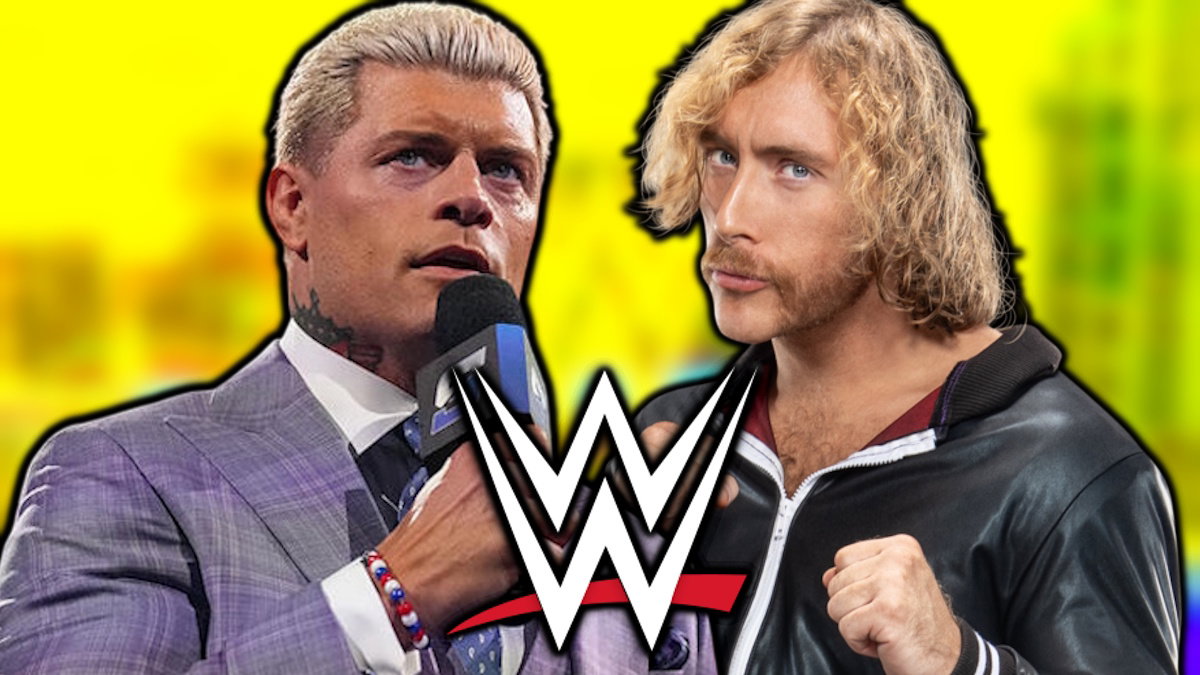
WWE’s branding obsession is masking deeper consistency issues
3 months, 2 weeks ago
WWE trademark habits are as predictable as ever
3 months, 2 weeks ago