WWE's trademark machine is churning out names faster than talent can debut
The branding treadmill keeps spinning
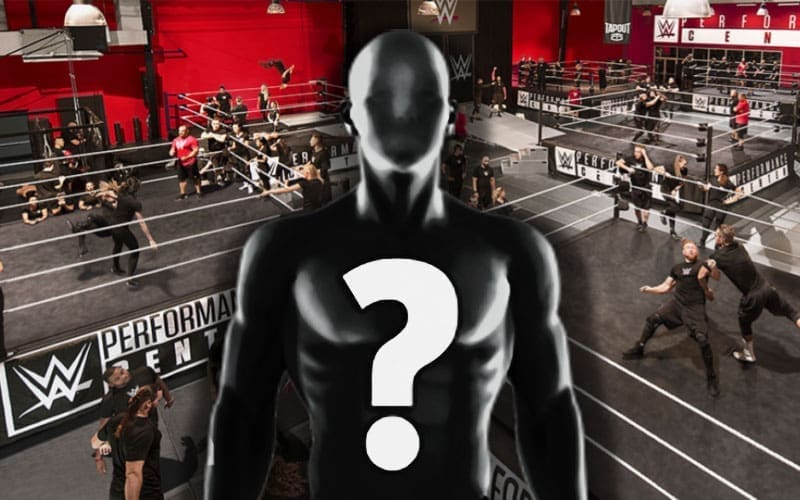
The latest round of trademark filings from World Wrestling Entertainment suggests the company is preparing for another wave of talent introductions. As Ringside News recently reported, the front office is locking down intellectual property for names that clearly point toward recent tryout standouts. It is a familiar rhythm for the organization, turning amateur prospects into marketable commodities before they even step through the curtain on television.
This strategy serves a dual purpose. It protects the company from outside entities poaching branding rights, but it also creates a sense of inevitability around new arrivals. When a name hits the public record, fans begin the search for videos of the athlete in local promotions. The anticipation builds long before the first bell rings.
The danger of the assembly line
However, this rapid-fire approach to naming creates a cluttered roster. We have seen instances where a performer spends months in the performance center, only to debut with a name that feels disconnected from their previous independent identity. It forces the audience to learn a new character while the performer simultaneously struggles to adjust to the massive production scale of the main roster.
There is also the issue of creative burnout. When the company treats every tryout attendee as a future star, it diminishes the impact of the actual debut. Not every prospect can be the next breakout sensation, and the current booking style often leaves mid-card talent spinning their wheels while waiting for a coherent story. The 50-50 booking trend remains a persistent thorn in the side of anyone looking for long-term character development.
Refining the developmental process
The transition from the independent scene to a major television environment is rarely smooth. Many performers spend years honing a specific style, only to be asked to conform to a standardized, house-style presentation. This shift often results in matches that feel technically sound but lack the visceral spark that made the performer a standout in the first place.
If the company wants to maximize the value of these trademarks, they need to allow for more organic growth. Forcing a name onto a performer is one thing, but forcing a personality onto them is where the cracks show. The best characters in the business usually emerge from the performer's own instincts, not from a legal department's filing cabinet.
Measuring the success of the system
Ultimately, the success of these new signings will be measured by their longevity. A catchy name and a sleek entrance video are useful tools for the first 3 months of a tenure. After that, the performer is on their own to connect with the live crowd.
The company has made significant strides in improving the quality of their television product, but the reliance on a constant churn of new names feels like a temporary fix for deeper issues. If they can balance the influx of fresh blood with meaningful stories for the veterans, they might avoid the stagnation that has plagued the industry in previous decades. For now, we wait to see which of these trademarks actually makes it to the screen with any momentum.
MATTEL WWE Championship Showdown 2-Pack Action Figures
Recreate epic rivalries right on your coffee table.
Frequently Asked Questions
Why does WWE file trademarks for new talent before their debut?
What are the risks of WWE's rapid trademark filing strategy?
How does the WWE house-style affect independent wrestlers?
What is the primary criticism of WWE's current character development?
How does the company measure the long-term success of new signings?
More Coverage
Top 10: Defining SmackDown Moments (July 2026)
4 hours ago
Smackdown's booking is becoming a repetitive struggle
4 hours agoWhen Ozzy wasn't looking: The weirdest wrestling crossover of the year
8 hours ago
AJ Styles is reflecting on his legacy while others look elsewhere
8 hours ago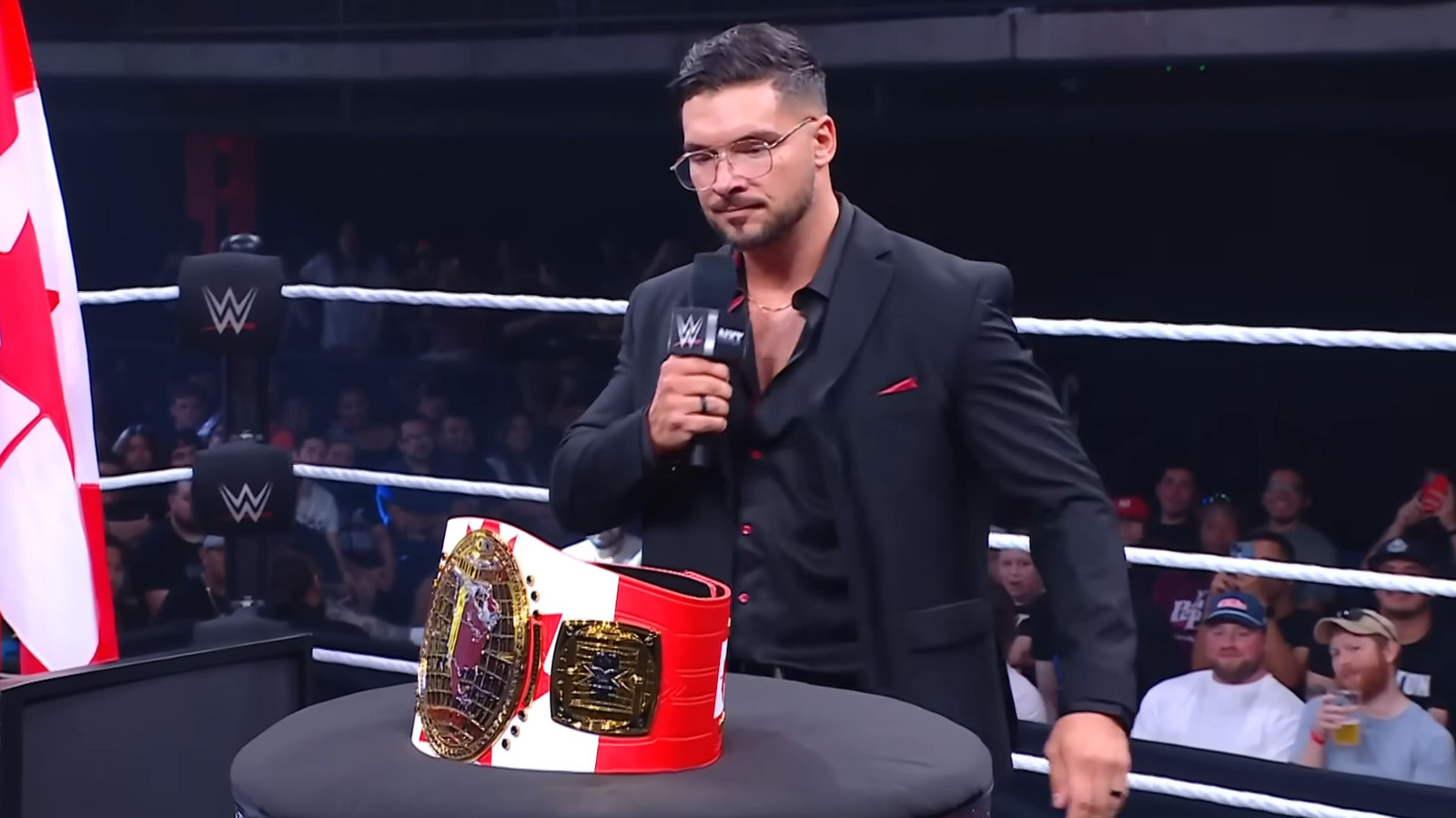
Ethan Page is playing a dangerous game with his ego in NXT
8 hours ago
Ethan Page says his custom NXT title was the real top prize and fans are split
8 hours agoMore Match Reports
WWE's trademark machine is churning out names faster than talent can use them
3 months, 4 weeks ago
WWE's latest trademark games hint at a desperate creative pivot
1 month, 1 week agoWWE’s latest trademark filing suggests a shift in character development
3 weeks, 4 days ago
WWE’s branding obsession is masking deeper consistency issues
3 months, 2 weeks ago
The WWE rebrand shuffle is creating more questions than answers
2 months, 2 weeks ago