The disconnect between the boardroom and the ring
Recent interviews with former executive George Barrios have pulled back the curtain on a decade of decision-making that defined modern wrestling. When Barrios joined the company, he admits he viewed the product as a complete joke. It was a cold, purely financial assessment of a brand that was then struggling to articulate its own value.
This shift from dismissing the product to building a billion-dollar machine reveals the internal friction that often bled into the programming. Barrios noted in reported comments that Vince McMahon initially balked at the financial risks the executive team pushed for. Specifically, the Saudi Arabia expansion was treated as a massive gamble that threatened company stability.
The shadow of McMahon's creative instincts
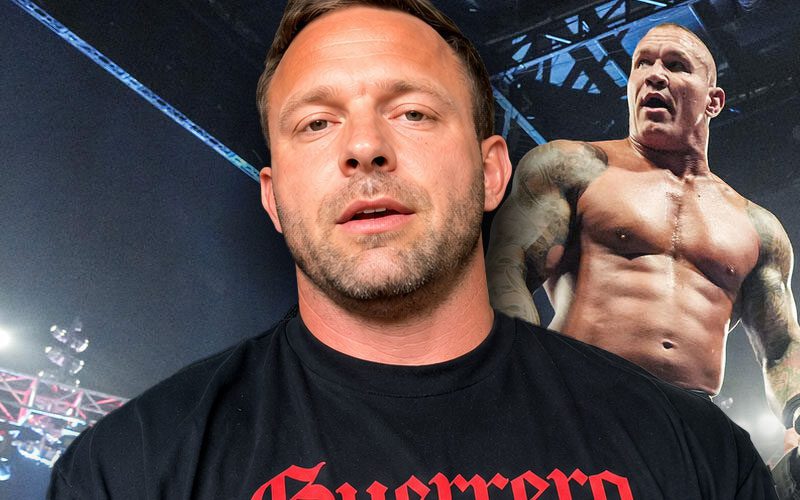
While the business side focused on scaling, the creative product suffered from a known bias. Bully Ray recently highlighted that McMahon had a fundamental distaste for tag team wrestling, often dismissing it as nothing more than paying two extra guys to do the job of one. This philosophy explains the frequent instability of the tag division over the last 20 years.
We see this in the booking trends throughout the mid-2010s. Talent often felt forced into singles roles, resulting in disjointed matches that lacked the refined chemistry of established units. Even when the business model reached a valuation of over 1 billion dollars annually, the internal creative process remained locked in a narrow definition of what a main event star should look like.
Analyzing the post-Vince reality
The firing of Barrios in January 2020 served as a turning point. It marked the moment when the administrative stability of the company was essentially sacrificed to maintain control. Whether McMahon was right to view business decisions as personal insults is irrelevant now; the return of board members in 2022 demonstrated just how reliant the firm was on those early, controversial financial architects.
My prediction is that the current era will continue to see a correction in how talent is utilized. The obsession with singles stars pushed at the expense of roster depth—a direct result of that cost-cutting mentality—has left a vacuum in the current tag team and mid-card rankings. Efficiency in corporate spending rarely aligns with compelling long-term storytelling.
The company is currently performing at a high level because they have finally moved past the era where every decision felt like a contest of egos between the boardroom and the creative office. If they can maintain this separation, the next 18 months will likely see a further shift in focus toward long-term narrative arcs rather than the short-sighted, event-based booking that plagued the late 2010s.
The cost of the status quo
Still, there is a lingering laziness in the current mid-card booking that reflects the old guard's influence. We are still seeing 50-50 booking patterns that kill momentum before a performer can reach a peak of 75 percent overness with the crowd. Until the creative team completely abandons the fear of creating too many stars at once, the product will always feel capped.