The shadow roster
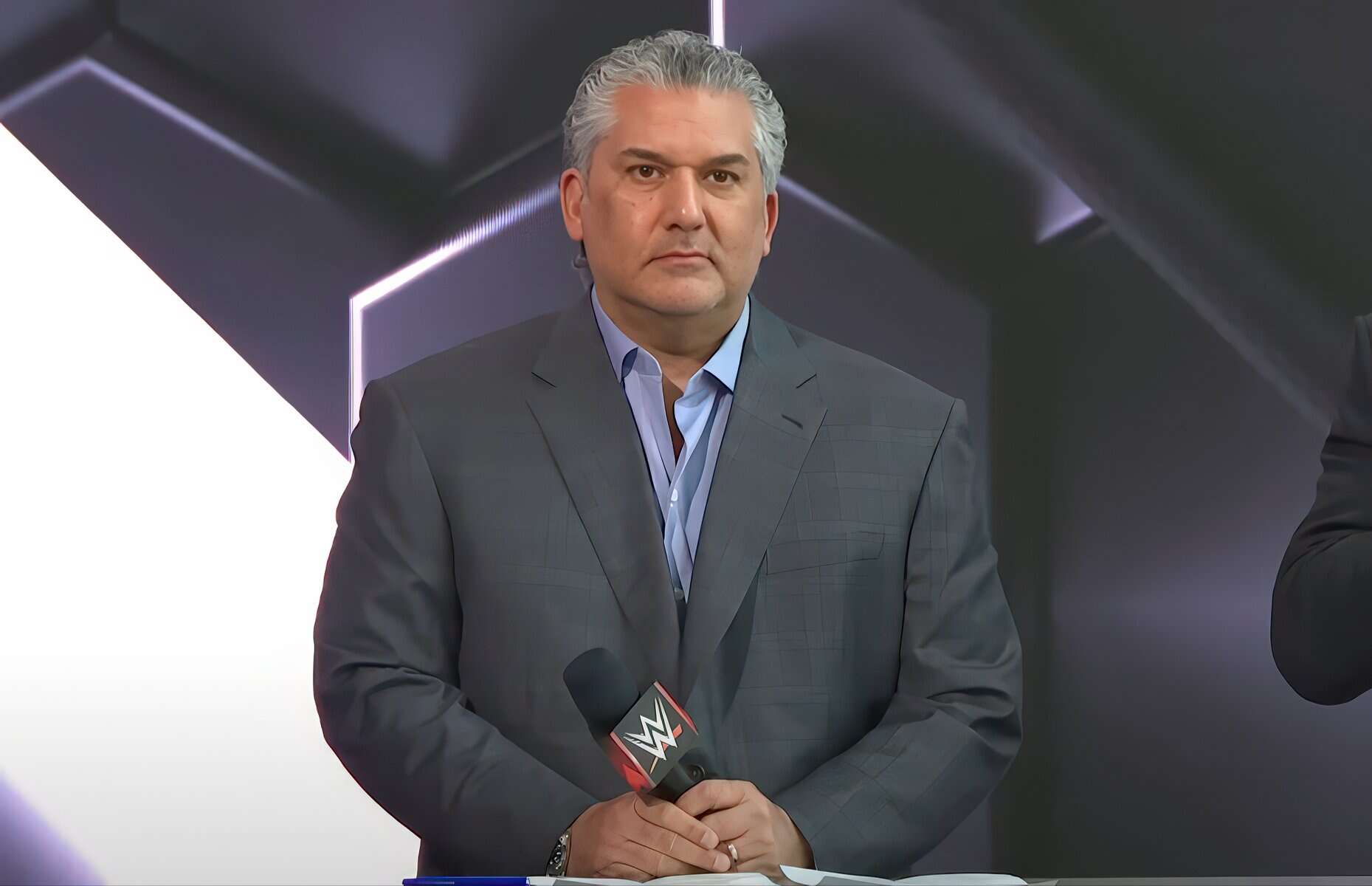
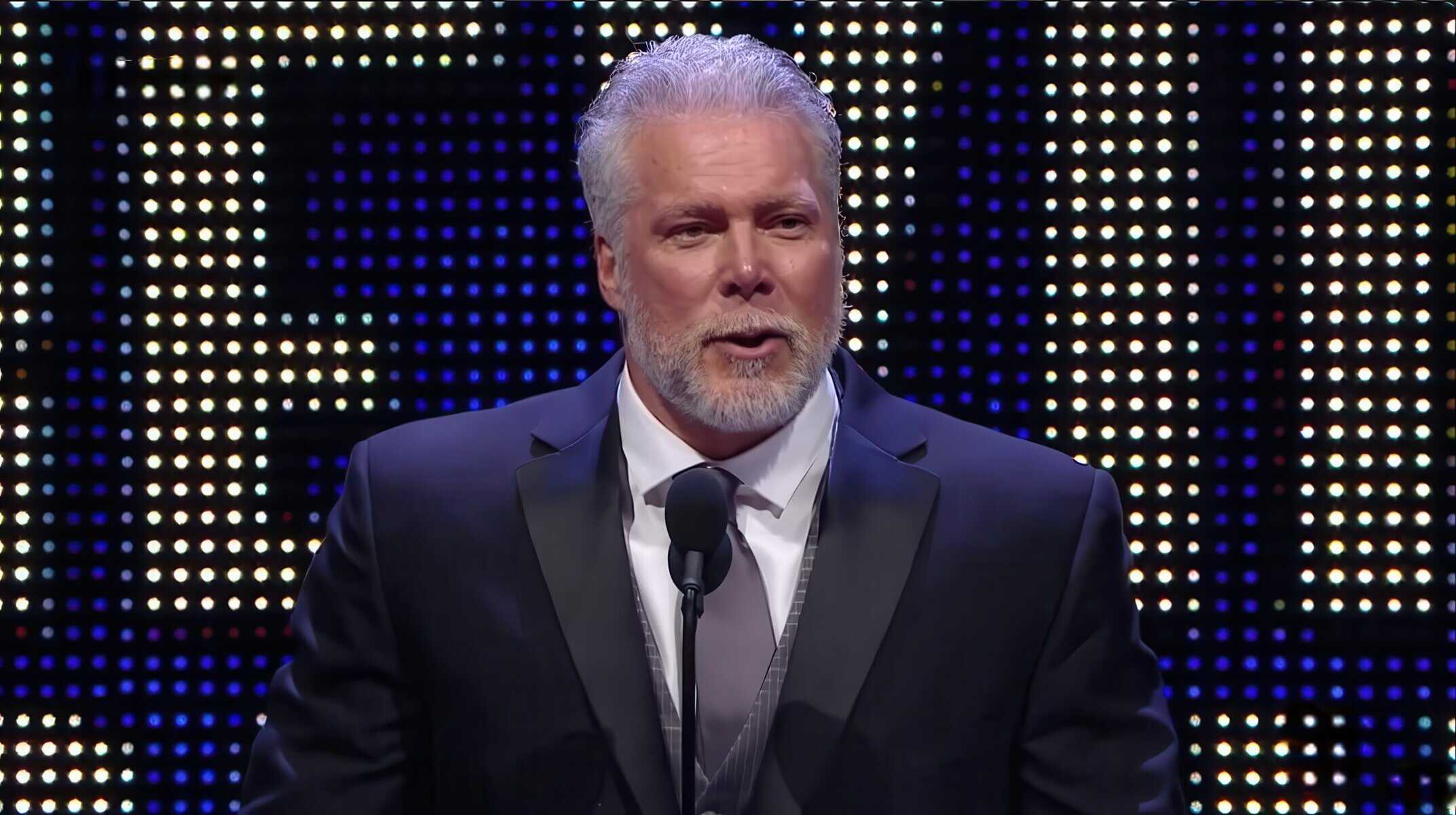
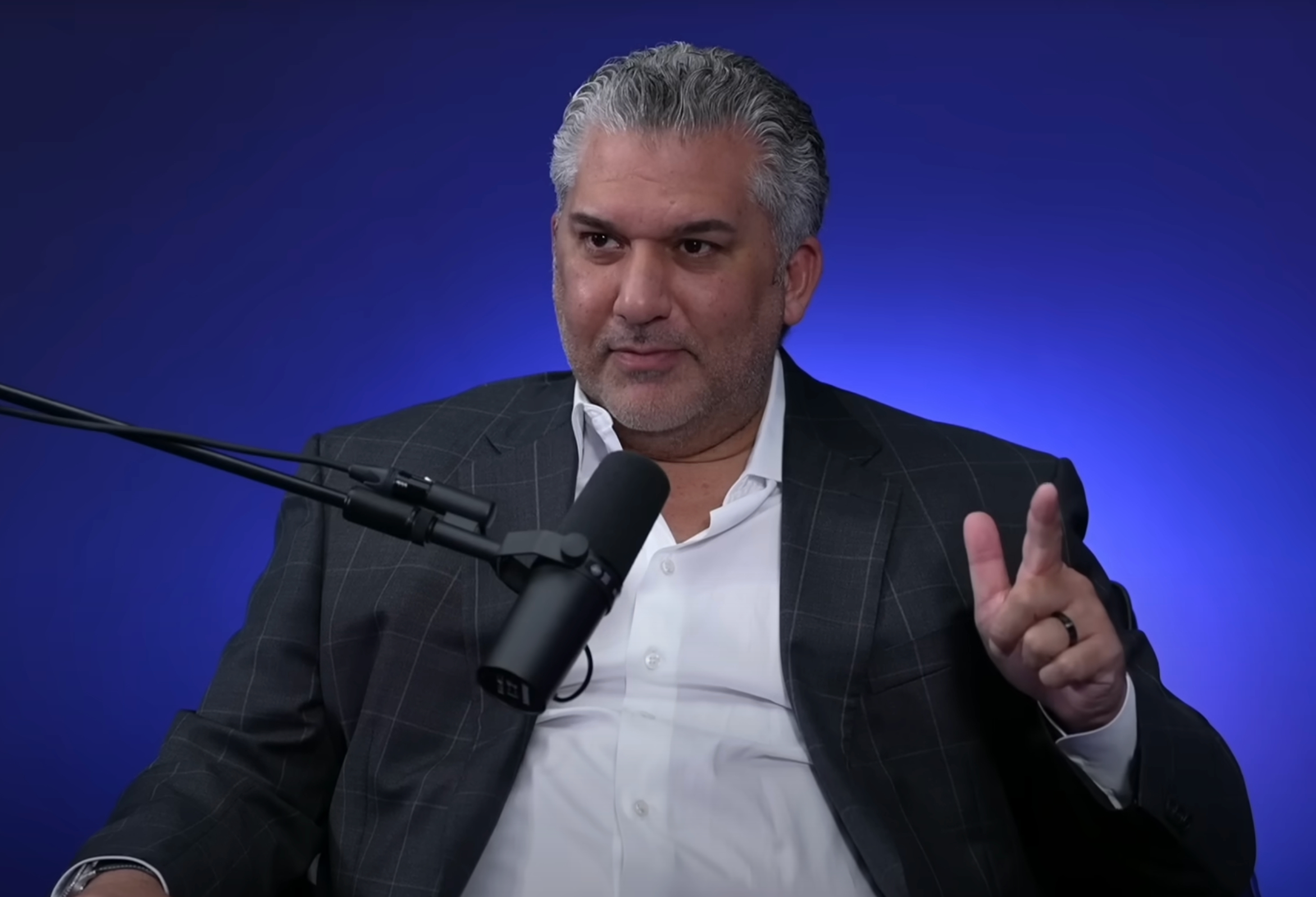
Nick Khan recently pulled back the curtain on a massive, quiet division of the WWE: the legends department. During a Senate hearing, Khan confirmed that the organization currently manages over 100 active legends contracts. This is not just a digital archiving project. It is a strategic effort to consolidate brand ownership and prevent independent market competition for archival value.
By securing these names under long-term agreements, WWE effectively removes them from the freelance pool. If a star is tied to an exclusivity-heavy legend deal, they are essentially barred from appearing on independent shows or rival programming without corporate sign-off. This shrinks the talent pool available to smaller promotions, forcing them to rely on homegrown independent standouts rather than nostalgic name value.
The mechanism of control
This strategy relies on financial retention. According to recent reporting on Nick Khan’s Senate testimony, these deals act as a safety net for retired athletes. The trade-off is total institutional control of their likeness for video games, apparel, and, more importantly, future programming slots.
The business logic is sound, but the execution creates friction. Brooke Hogan recently revealed that she never received a direct invite to recent marquee shows, despite her proximity to the brand’s history. It suggests a cold, algorithmic gatekeeping method where value is calculated by current engagement metrics rather than historical importance. If you are not actively moving the needle on a current broadcast, your internal value at TKO drops near zero regardless of your surname.
The corporate pivot
Management's focus has clearly moved away from the legacy architects of the business. Mark Shapiro has made it clear in depositions that keeping Vince McMahon in the building was never a structural goal for the post-merger era. This signals a complete transition toward a model prioritized by quarterly filings, as seen in the recent TKO proxy statement regarding executive compensation.
The shift is stark for fans waiting to see returns of classic characters. If a performer doesn't align with the current TKO fiscal strategy, the contract remains in a deep freeze. You aren't seeing them on screen because the administrative cost of bringing them back is viewed as a liability rather than a creative investment. The days of bringing back stars for a 'surprise pop' without an aggressive merchandising angle are over.
The risk of stale booking
There is a glaring downside here: sensory overload for the audience. By controlling the entire history of the industry through these 100+ deals, the content becomes sanitized. We see the same revolving door of recurring legends in scripted segments that rarely feature physical stakes. It creates a recurring loop of nostalgia that inhibits younger talent from establishing their own identities.
If you bury the competition by owning all the historical real estate, you risk stagnation. The promotion is effectively competing only against its own past. When a company becomes the sole steward of the industry narrative, the surprise element of a return is replaced by a predictable marketing rollout. Expect more cameos at upcoming events, but don't count on them being spontaneous.
The reality of the numbers
The financial commitment to these legends is significant, as noted by filings regarding executive salary structures. While the talent receives annual payments, the company receives total control. This creates a dependency that effectively prevents these stars from ever truly cutting ties with the promotion. They are tethered to the brand for life, whether or not the company chooses to use them.
The impact is simple: we are seeing the final consolidation of the professional wrestling historical market. WWE isn't just selling premium live events; they are buying the legal rights to the memories of every fan who grew up watching these performers. It’s an aggressive play for total market share that leaves no room for competitors to build their own legacy.
Read Next
- WWE legend deals are the hidden engine of the company's long-term business
- Nick Khan's Senate testimony reveals a disconnect behind the curtain
- WWE plants a flag in Riyadh and the internet is already losing its mind
- The roster churn is real as WWE absorbs new talent while veterans express frustration