The Nick Khan Playbook is officially undefeated
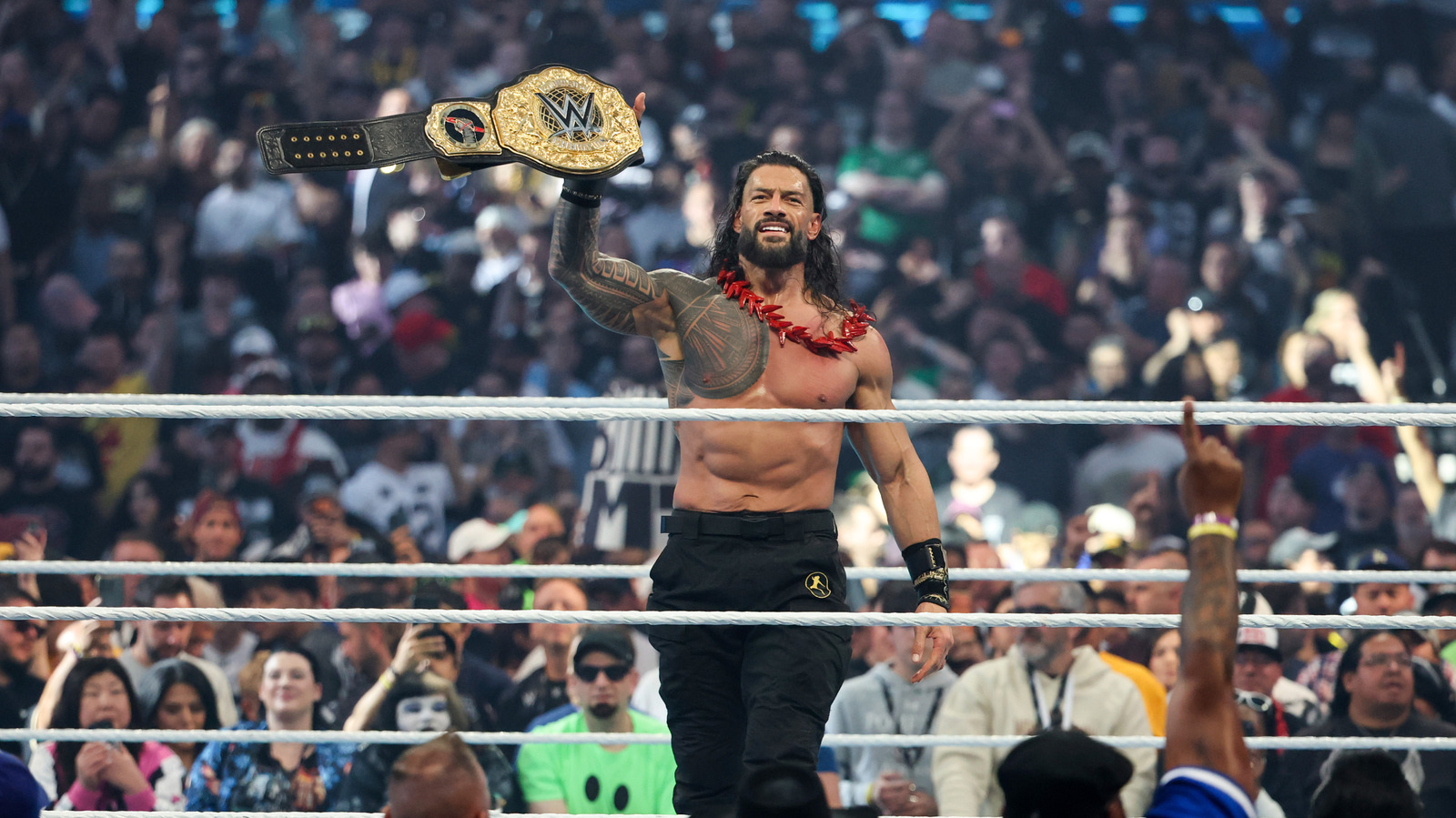
The dust from Allegiant Stadium hasn't even been swept into the Nevada desert yet, and the corporate vultures at TKO are already looking at 2029. We just watched Cody Rhodes and Roman Reigns tear the house down in Las Vegas for WrestleMania 41, but the front office doesn't care about the 'finished story' anymore. They care about the next deposit check from a municipal government desperate for a tourism spike.
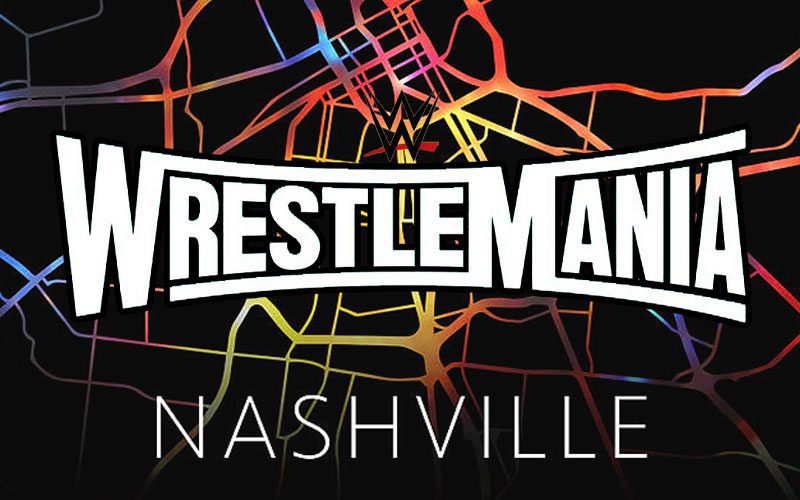
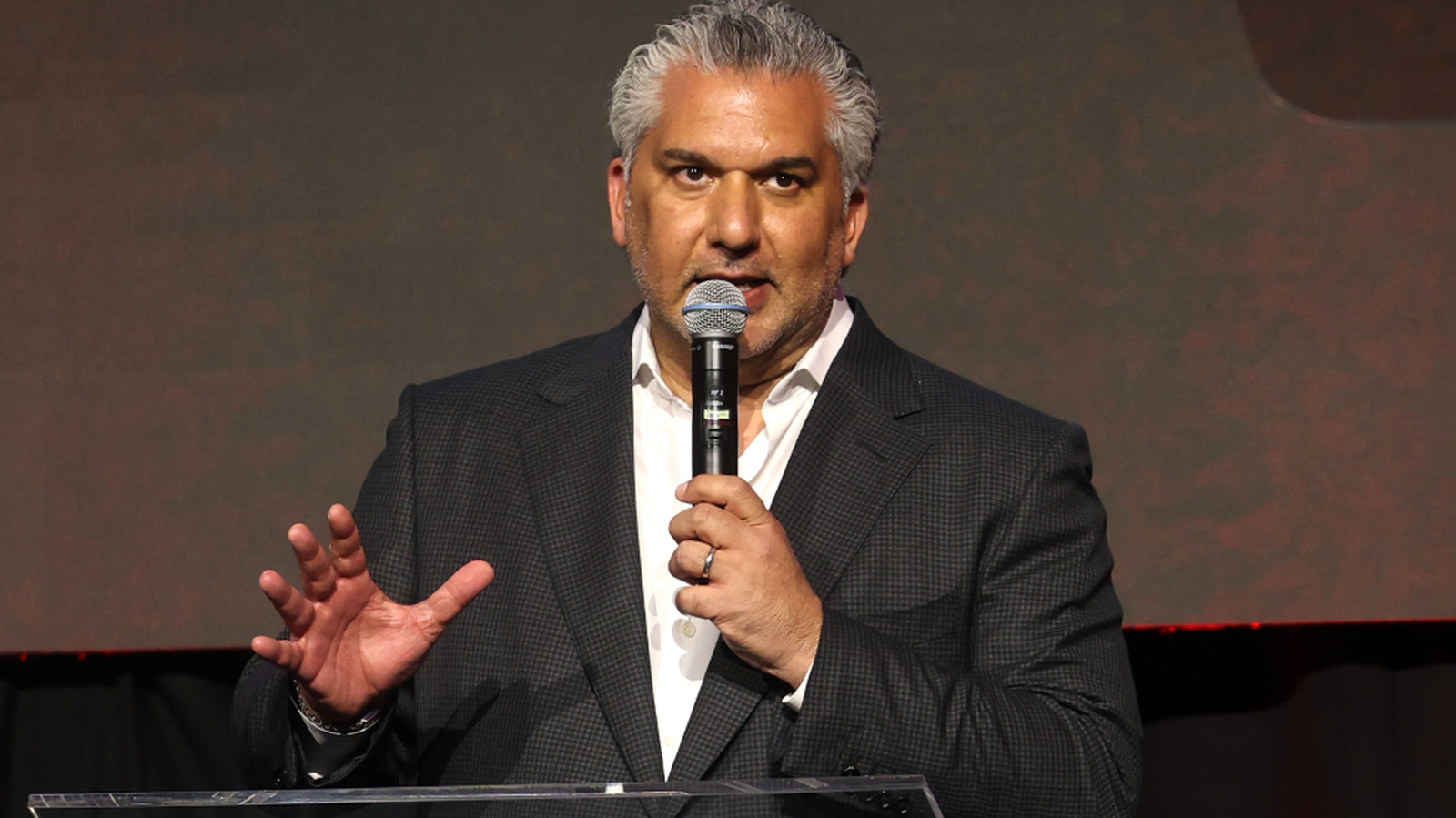
Reports are surfacing that WWE is already in active negotiations with a major city to host WrestleMania 44. If you’re doing the math at home, that is three years beyond the current horizon. It used to be that we’d find out the Mania location a year in advance during the current year's broadcast. Now, Nick Khan is running a global auction that makes the Olympic bidding process look like a bake sale.
This isn't just about finding a stadium with enough toilets and a decent Wi-Fi signal. It is about the 'site fee' model that TKO has perfected. They aren't asking where the fans want to go anymore. They are asking which city is willing to hand over a $50 million slush fund to skip the line. If a city wants the circus in town, they have to pay for the privilege of letting the circus take over their hotels.
The London elephant in the room
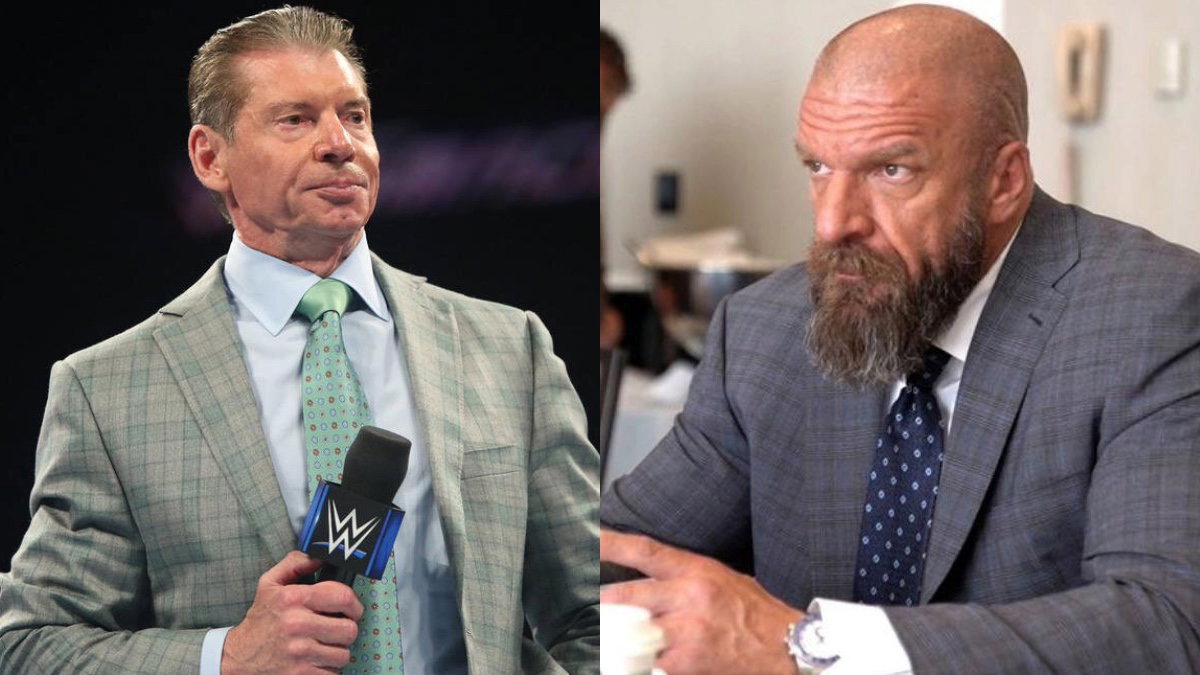
Whenever these reports drop, the same name starts screaming at us from across the Atlantic. London. Mayor Sadiq Khan has been playing footsie with Triple H for months, and the rumors of a UK Mania are the loudest they've ever been. It would be the ultimate power move for the TKO era, effectively telling the domestic market that the highest bidder wins, regardless of the time zone logistics.
But there is a massive catch that the 'Mania in London' crowd tends to ignore. WWE loves the North American gate too much to risk a broadcast that starts at 1 PM in New York and 10 AM in Los Angeles. Unless they plan on running a stadium show at 3 AM local time in London—which would be a disaster for local licensing—the math doesn't quite add up. They’d be trading a massive live gate for a crippled domestic Peacock viewership number.
That said, money talks louder than a sleepy audience in Wembley. If the city of London puts up a record-breaking site fee, WWE will find a way to make it work. They would probably frame it as a 'global celebration' to mask the fact that everyone in the states has to watch the main event while eating breakfast burritos. It is the kind of corporate pivot that would make a McKinsey consultant weep with joy.
Why the three-year lead time is a trap
Booking a show for 2029 right now seems insane, but it is a calculated move to lock in stadium availability before the NFL or major concert tours can blink. Most of these venues are booked out years in advance for everything from Taylor Swift residencies to monster truck rallies. By aggressive negotiating now, WWE secures the leverage. They aren't just a wrestling company anymore; they are a traveling stadium attraction that demands a 90,000 seat capacity or they won't even pick up the phone.
The risk, of course, is that the wrestling world moves at 100 miles per hour. Three years ago, half the people currently on the roster were working in high school gyms or hadn't even laced up a pair of boots. Locking in a city for 2029 means committing to a market before you even know who your headliners are. What if the industry cools off? What if the 'boom' we are living through right now turns into a 1995-style crater?
WWE is betting the house that their brand is bulletproof. They believe that even if the creative side falls off a cliff, the 'WrestleMania' name alone is enough to sell out a football stadium for two nights straight. It is an arrogant gamble, but given the three-year streak of sellouts they’ve had, it is hard to argue with the accountants. They see the fans as a renewable resource that will follow them to any city that builds a big enough parking lot.
The taxpayer nightmare hiding in the fine print
Here is the part where the corporate hype hits the reality of local economics. When you hear that WWE is in 'active negotiations,' that is code for 'extracting concessions from local taxpayers.' Most of these cities aren't just giving away the stadium for free. They are promising tax breaks, police overtime coverage, and infrastructure upgrades that the average resident will be paying off long after the ring is disassembled.
The economic impact studies that WWE loves to cite are almost always inflated nonsense. They’ll claim a $200,000 injection into the local economy, but most of that money goes straight into the pockets of hotel chains that double their rates the second the dates are announced. The local dive bar might see a small bump in beer sales, but the city’s general fund rarely sees a real return on the investment of a massive site fee. It is a legalized shakedown of municipal budgets.
And let’s talk about the fan experience in these massive venues. If you were at Allegiant Stadium for WM41, you know the deal. Unless you spent four figures on a floor seat, you were watching the entire show on a giant television screen because the actual humans in the ring looked like ants from the 400-level. We are sacrificing the intimacy of wrestling for the ego of a big attendance number. A 20,000-seat arena with a hot crowd beats a 90,000-seat stadium where half the audience is checking their phones because they can't hear the promos.
The final squeeze of the golden goose
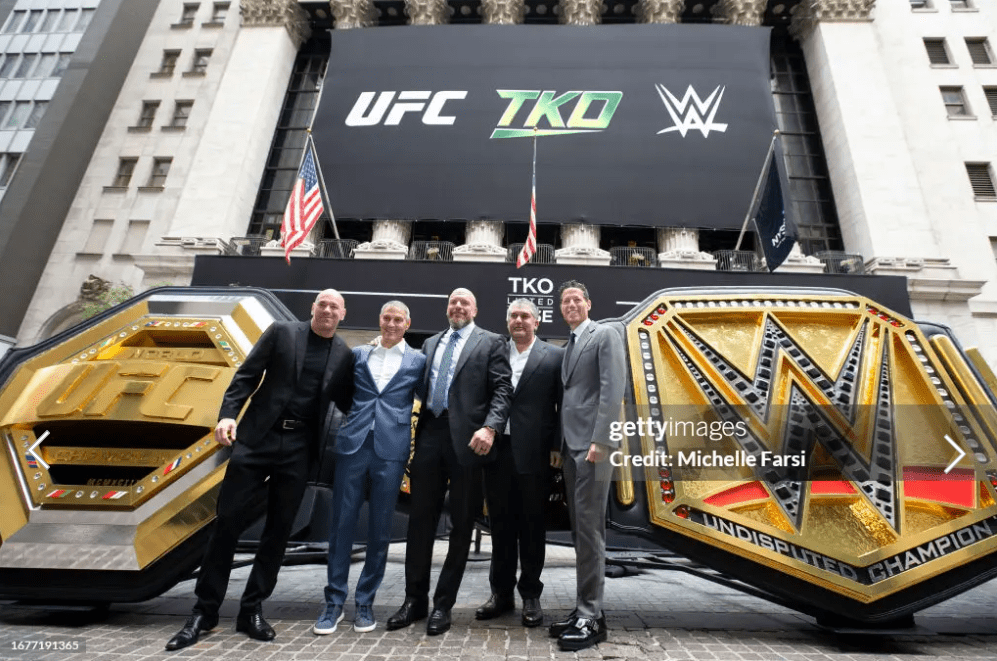
The TKO era is defined by efficiency, not emotion. They’ve cut the roster to the bone, streamlined the production, and turned the premium live events into a series of bidding wars. Negotiating for WrestleMania 44 in 2026 is just the logical conclusion of that philosophy. They want to ensure that every single year of the next decade is monetized before it even arrives. It is a soul-crushing way to run a creative business, but a brilliant way to satisfy shareholders who only care about quarterly growth.
Whether it is London, Indianapolis, or a return to the Minneapolis stadium that got snubbed for WM41, the result will be the same. The city will overpay, the tickets will be priced at a level that excludes the average family, and we will all tune in anyway because it’s WrestleMania. The machine is too big to stop now. We are just along for the ride while Nick Khan checks the exchange rates.
Maybe by 2029, we’ll be watching a main event between two guys who haven't even finished middle school yet. Or maybe we’ll still be watching a 50-year-old Roman Reigns demand that we acknowledge him in a stadium built by a city that went bankrupt to afford him. Either way, the negotiations are happening, the checks are being signed, and the fans are once again the last ones considered in the equation.
Read Next