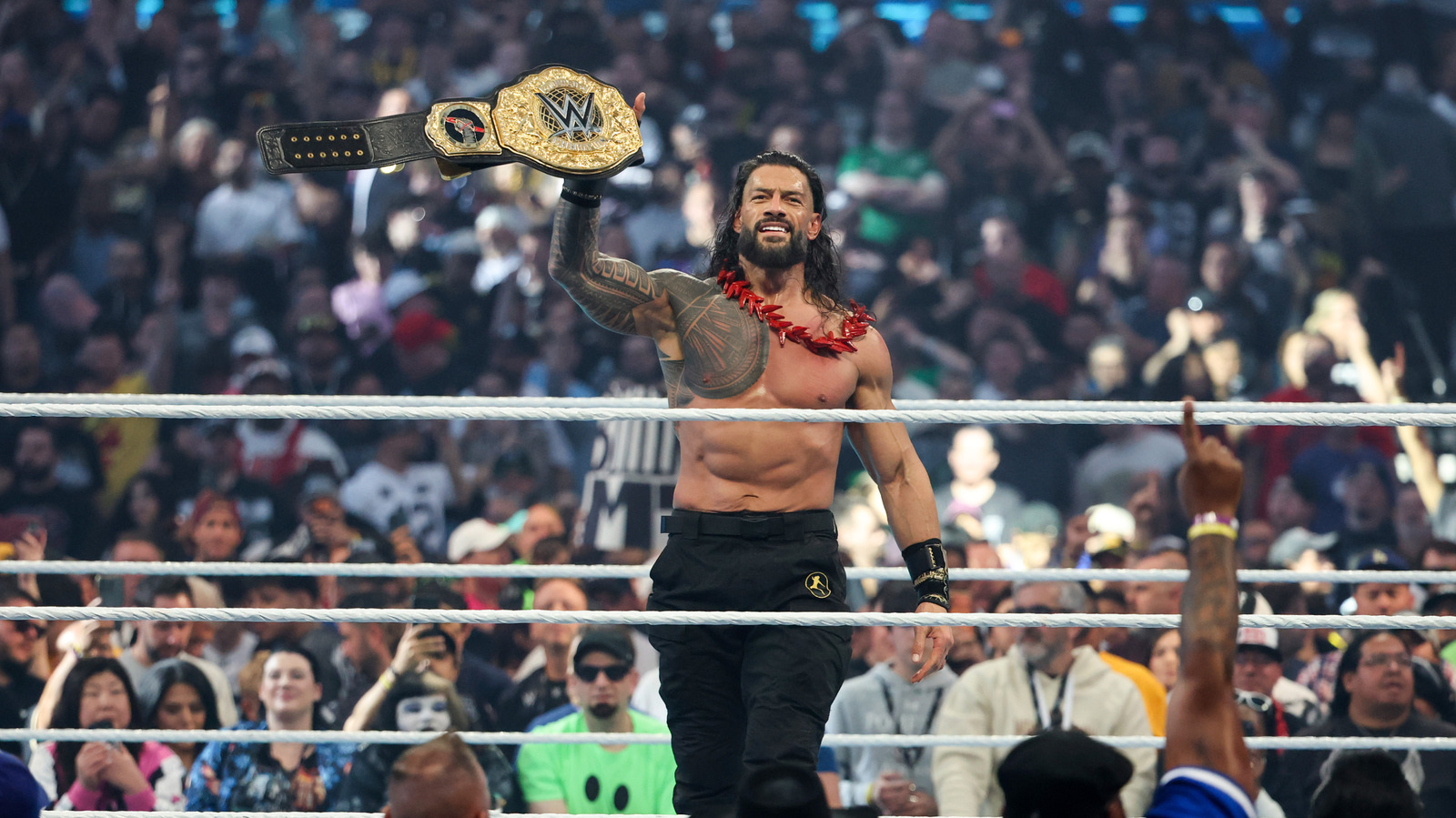
The upfront cost of the spectacle
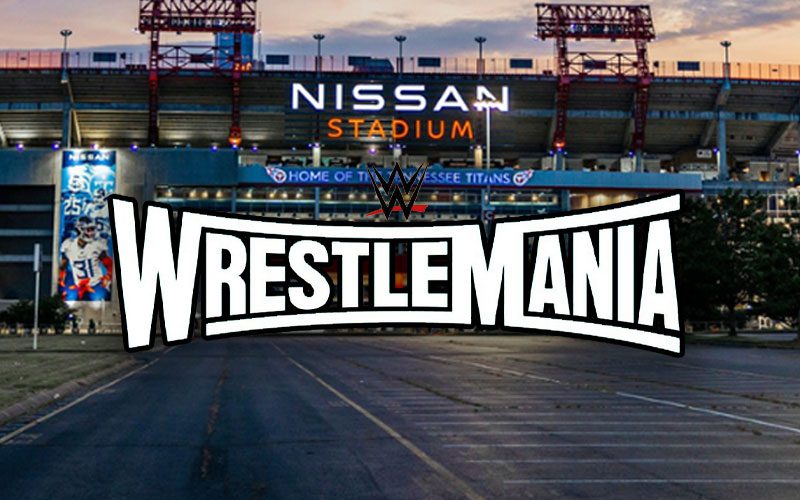
WrestleMania is no longer just a wrestling show. It is a traveling economic engine. According to a recent report from Wrestling Inc, an unnamed United States city has submitted a formal $3.5 million bid to host WrestleMania 44 in 2028. Based on the bidding timelines and the impending completion of a new enclosed stadium, all signs point to Nashville.
For a municipal government, handing over millions of dollars to a sports entertainment conglomerate might sound reckless. The reality is that the site fee model, perfected by the UFC and now aggressively deployed by TKO Group Holdings, is a simple math equation. Cities are buying a guaranteed influx of tourists.
If we look at the raw numbers, the proposed fee is relatively modest compared to the massive economic footprint of the two-night event.
The evolution of the site fee
To understand why a three-million dollar offer is the going rate, we have to track the evolution of WWE's economic demands. A decade ago, WWE chose host cities based on stadium size and internal routing logic. They negotiated favorable lease agreements, but they rarely walked away with upfront cash from a municipality.
That model shifted slowly, and then all at once. The catalyst was not domestic; it was international. When the Saudi General Entertainment Authority began paying upwards of $50 million per event to host shows in Riyadh and Jeddah, the floor for WWE's premium live events permanently changed.
Suddenly, giving away the Royal Rumble or SummerSlam for free seemed like bad business. Endeavor's acquisition of WWE and the subsequent creation of TKO Group Holdings merely accelerated a process that was already underway. Endeavor had spent years extracting massive site fees from cities desperate to host UFC pay-per-views. Applying that exact model to WrestleMania was the simplest financial decision the new board could make.
The Welsh government's payment for Clash at the Castle in 2022 was the proof of concept in the West. They handed over roughly $3 million. In return, the Cardiff region saw an injection of approximately $27 million. The math was clean. The precedent was set. If you want the spectacle, you have to subsidize the production.
Tracking the economic impact
Why would Nashville, or any city, willingly hand over millions in public or semi-public funds? The answer lies in the historical economic impact reports commissioned by WWE after every major event. While these numbers are always framed in the most favorable light possible, the baseline data is compelling.
Consider the trajectory over the last decade. WrestleMania 32 in Dallas generated a reported $170 million for the region. Two years later, WrestleMania 34 brought an estimated $175 million to New Orleans. By the time the event returned to Dallas for WrestleMania 38—now expanded to a two-night format—the number jumped to $206 million.
WrestleMania 39 at SoFi Stadium pushed the record even higher, clearing $215 million for the Los Angeles area. Even if economists correctly point out that these studies often fail to account for displaced local spending, the sheer volume of out-of-town money is staggering.
WWE claims that over 75 percent of the attendees at these recent stadium shows travel from outside the host region. That is the vital metric for any tourism board. They are not just moving money around within the city; they are importing new capital. Fans fly in on Thursday, stay in hotels for four nights, eat at local restaurants, and buy merchandise.
The math behind the 2028 bid
Let us apply this math directly to the 2028 bid. The proposed new Nissan Stadium is slated to have a capacity of roughly 60,000 for a football configuration. Given the massive stage setups required for modern wrestling, that number might drop slightly, but we can safely assume a daily attendance of at least 55,000 to 60,000.
Across two nights, that is 110,000 to 120,000 tickets sold. If 75 percent of those buyers are from out of state, Nashville is looking at a minimum of 41,000 unique tourists. If each of those tourists spends a conservative $1,200 on flights, lodging, food, and local transport over the weekend, the direct injection into the local economy sits comfortably above $49 million.
Suddenly, the initial upfront investment looks like the best deal the city could possibly make. It represents less than 10 percent of the lowest-end estimate for direct tourist spending. It is a calculated wager with almost zero downside for the local hospitality sector.
Weather, logistics, and the timeline
The specific targeting of WrestleMania 44 in 2028 is not an accident. It is entirely tied to the construction schedule of the new Nissan Stadium. The current stadium is open-air, which is a massive liability for WWE's modern production requirements.
WrestleMania 37 in Tampa Bay was marred by a severe weather delay. The live broadcast ground to a halt, forcing talent to ad-lib interviews backstage while lightning strikes cleared the stadium bowl. It was a logistical nightmare that TKO has zero interest in repeating.
The new Nashville venue will be fully enclosed. By locking in 2028, the city guarantees they will have a state-of-the-art, weather-proof facility ready for the global broadcast. It also allows the city to use WrestleMania as a marquee anchor event for the new building's early lifecycle, similar to how Los Angeles used WrestleMania 39 to showcase SoFi Stadium.
The early bid is a preemptive strike against other secondary markets. Cities like Indianapolis and Minneapolis have recently been aggressive in pursuing WWE events. By putting cash on the table four years in advance, Nashville ensures they do not lose their spot in the queue.
Comparing the WWE tax to traditional sports
To truly contextualize the Nashville bid, we have to look at the broader sports tourism market. How does a wrestling event stack up against the Super Bowl or the NCAA Final Four? The comparison is illuminating, mostly because WWE offers a surprisingly competitive return on investment.
Cities hosting the Super Bowl routinely spend between $30 million and $50 million in municipal costs, security upgrades, and direct subsidies. The NFL demands tax exemptions, massive security perimeters, and free access to city resources. The economic impact is undeniably massive, often cited in the $400 million range, but the upfront cost is crippling for all but the largest markets.
The NCAA Final Four is slightly more affordable, but still demands heavy concessions and venue commitments. In this environment, a few million dollars for a weekend that guarantees over 100,000 tickets sold is an absolute bargain. WWE does not demand the total municipal takeover that the NFL requires; they simply want a clean site fee and a cooperative local government.
This is why secondary and tertiary markets are suddenly major players in the wrestling space. A city like Nashville might balk at the demands of the NFL, but they can easily scrape together a few million dollars from their convention and visitors bureau budget. These funds are typically generated through hotel taxes, meaning the local residents are not directly footing the bill through property or income taxes.
The ripple effect of the five-day takeover
The true genius of the modern WrestleMania model is the expansion of the calendar. It is no longer a single Sunday night broadcast. It is a five-day corporate takeover of the host city. When Nashville bids for 2028, they are not just buying the weekend stadium shows.
The package includes Friday Night SmackDown, the WWE Hall of Fame ceremony, the NXT Stand & Deliver event on Saturday afternoon, and the vital Monday Night Raw broadcast. These arena shows add another 40,000 to 50,000 ticket sales to the aggregate total. That means an additional three nights of hotel bookings, bar tabs, and restaurant reservations.
On top of the television broadcasts, WWE has built a massive fan convention circuit. The transition from the old WrestleMania Axxess model to the new WWE World experience creates a daytime hub for tourists. Tens of thousands of fans pay daily admission fees just to buy exclusive merchandise and wait in line for autographs.
This localized concentration of spending is what makes the fee so palatable. The city is guaranteeing that their downtown core will be completely saturated with consumers for nearly a full week. Every bartender, Uber driver, and hotel manager in the metropolitan area benefits directly from the influx. It is a highly efficient, targeted economic stimulus package.
The cost of doing business
There is a dark side to this bidding war. The relentless pursuit of site fees is fundamentally changing the geographic distribution of wrestling events. Traditional strongholds are being penalized for their reluctance to offer municipal subsidies.
Markets like Chicago, Boston, and New York have massive, rabid fanbases. They consistently sell out arenas. However, local governments in these cities rarely see the need to pay millions of dollars to attract events that would likely come anyway. As a result, TKO is routing their biggest shows to cities that are willing to pay the ransom.
This creates a fractured market where the most dedicated fans are forced to travel, increasing the overall cost of being a wrestling consumer. The burden of the site fee is ultimately passed down to the ticket buyer. When a city pays three million dollars to host the event, the promoter knows the market is primed for price gouging. Face-value ticket prices for premium live events have skyrocketed over the last three years, and the introduction of dynamic pricing has only exacerbated the issue.
Furthermore, the current bid might end up looking quaint by the end of the decade. If Nashville secures 2028 at that price point, TKO will use it as the absolute floor for future negotiations. A city aiming for WrestleMania 45 or 46 might find the asking price has doubled. The barrier to entry is rising exponentially.
The reality is that TKO has successfully weaponized their fan base. They have proven that they can deliver tens of thousands of high-spending tourists to any city on the map. As long as local tourism boards remain desperate for those hotel bookings, the bidding wars will only escalate. Nashville is simply reading the room and making sure their check clears before the price goes up again.
Read Next
- Why AEW's massive Montreal gamble is a $2.6 million math problem
- MJF's beef with TNA has the wrestling internet losing its mind
- AEW Dynamite Is Loaded: Can Champions Survive This Wednesday Night Gauntlet?
- Ricky Saints heads to SmackDown as the post-WrestleMania shuffle begins
- 🏆 WrestleMania 41 — Full Coverage Hub