Defining the NXT strategy
The internal machinery at the WWE Performance Center is humming with a specific sense of urgency as we approach June. As WrestlingNews.co reported, the looming arrival of a top-tier independent talent is the primary engine behind what the office is calling a summer reshuffle. This isn't just about roster maintenance; it is a direct reaction to the production demands placed on the brand.
We have seen these transitions before, but the current temperature suggests more pressure than usual. NXT remains the developmental hub, yet the gap between the white-and-gold brand and main roster mechanics has tightened significantly. If the incoming talent expects a soft landing, the current crop of performance metrics will be a rude awakening.
Tactical flaws in the developmental pipeline
For all the praise surrounding the talent acquisition cycle, the execution of these debuts on television remains hit or miss. Look at the pacing of recent episodes; mid-card matches are often sacrificed to build secondary angles that lack sustained audience capture. Bringing in a high-profile free agent requires more than a polished entrance sequence.
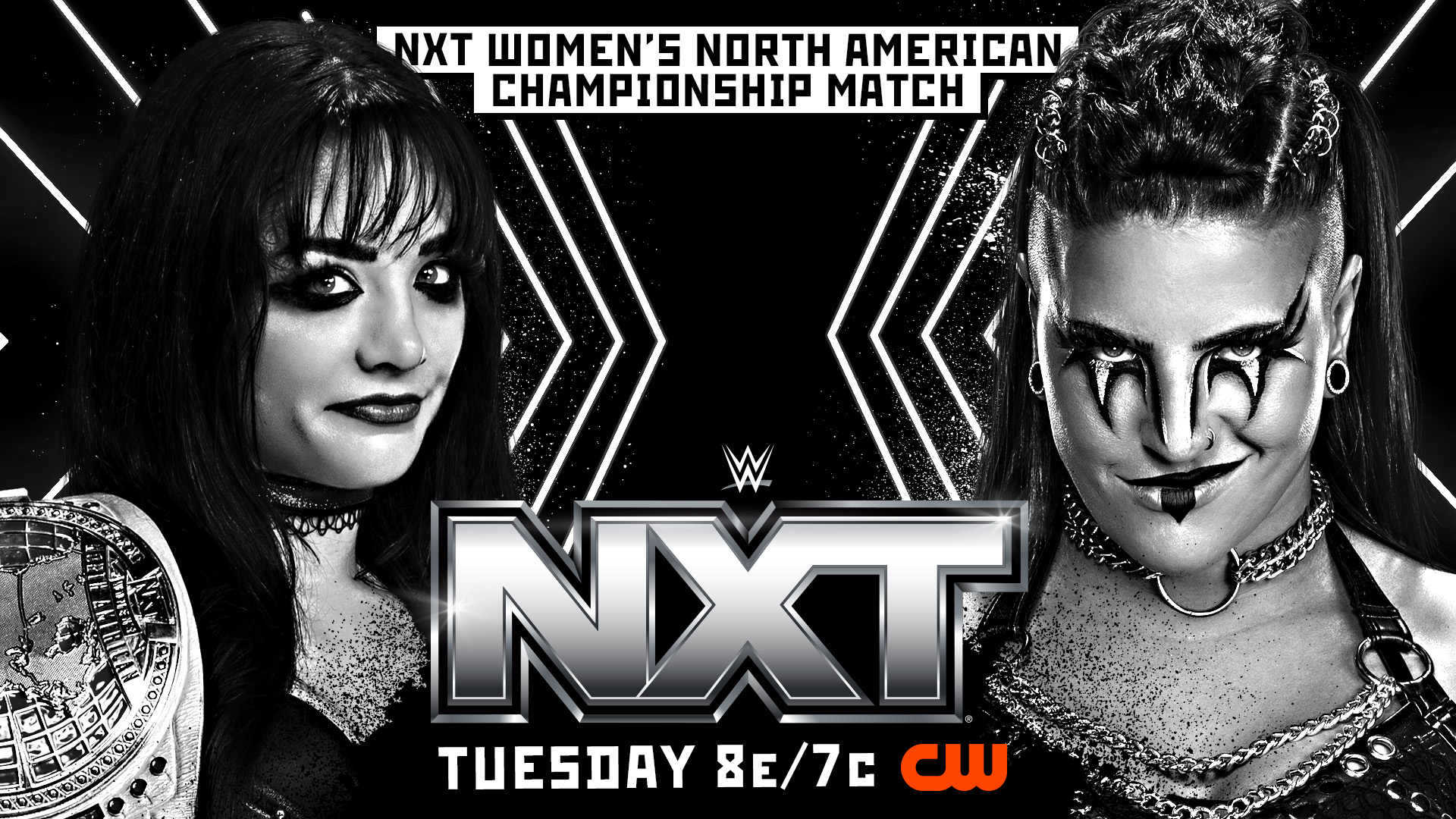
The creative staff must integrate this new addition into existing narratives without stalling the momentum of current staples like the North American title scene. If they repeat the staging errors seen in previous developmental rotations, the brand risks stalling its own growth. Booking a superstar-in-waiting to run through lower-tier enhancement for four straight weeks is precisely the kind of conservative strategy that kills intrigue before the second month hits.
What to watch for during the debut
When the new arrival finally hits the canvas, keep your eyes on the transition sequences. Do they rely on the standard athletic toolkit, or have they adjusted their working style to fit the 15-minute television window? A seasoned independent hand usually brings a heavy ground game. Expect to see technical mat work early. If they shift immediately into high-flying spots, we will know the agenting has favored spectacle over character depth.
The real indicator of success will be the opponent chosen for the first significant program. If it is a veteran anchor who can carry an inexperienced performer, we are looking at a slow burn. If they throw them into a high-stakes gimmick match within the first two weeks, it signals a desire for quick-impact highlights over long-term stability.
The cost of the reshuffle
This pivot to new talent creates a precarious environment for those currently occupying the middle of the card. With the roster depth expanding, the number of available segments on a two-hour show is effectively finite. Someone will be moved to the side. The internal competition creates energy, but it often leads to frantic booking that lacks a coherent through-line.
My prediction for the coming weeks is simple. The initial debut will draw a massive spike in social engagement, peaking during the first week. However, watch for the drop-off by the third match. If the storytelling remains tethered to repetitive post-match interference, the buzz will evaporate. I expect a 3-star level effort in the opening contest, followed by a frustratingly safe, scripted mic segment showing the limits of the current creative script. They will have the crowd in their hands, but they will likely waste the first look on a generic confrontation.