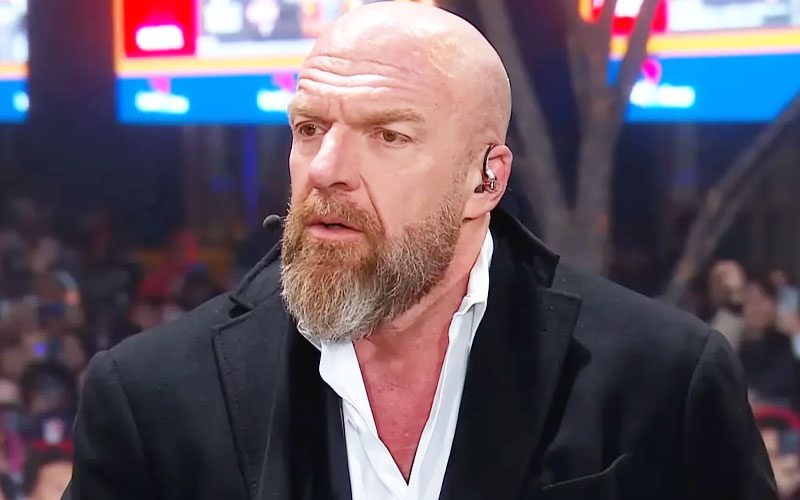
The medical reality of WrestleMania 41
As the curtain rises on WrestleMania 41 Night 1 today, April 19, 2026, the physical toll on the roster is reaching its seasonal peak. Injuries are mounting at the worst possible time for creative booking. The current medical report identifies several key performers sidelined or limited, forcing WWE into last-minute adjustments for a card that was long considered their most stable lineup in recent history.
The central issue remains the sheer volume of high-intensity matches over the last six months. Since the transition into the agentic era of production, athletes are being cycled through tighter turnarounds. This has led to an uptick in soft-tissue damage and recurring joint issues, particularly among the main event talent tasked with carrying 20-minute-plus segments.
The depth problem comes to a head
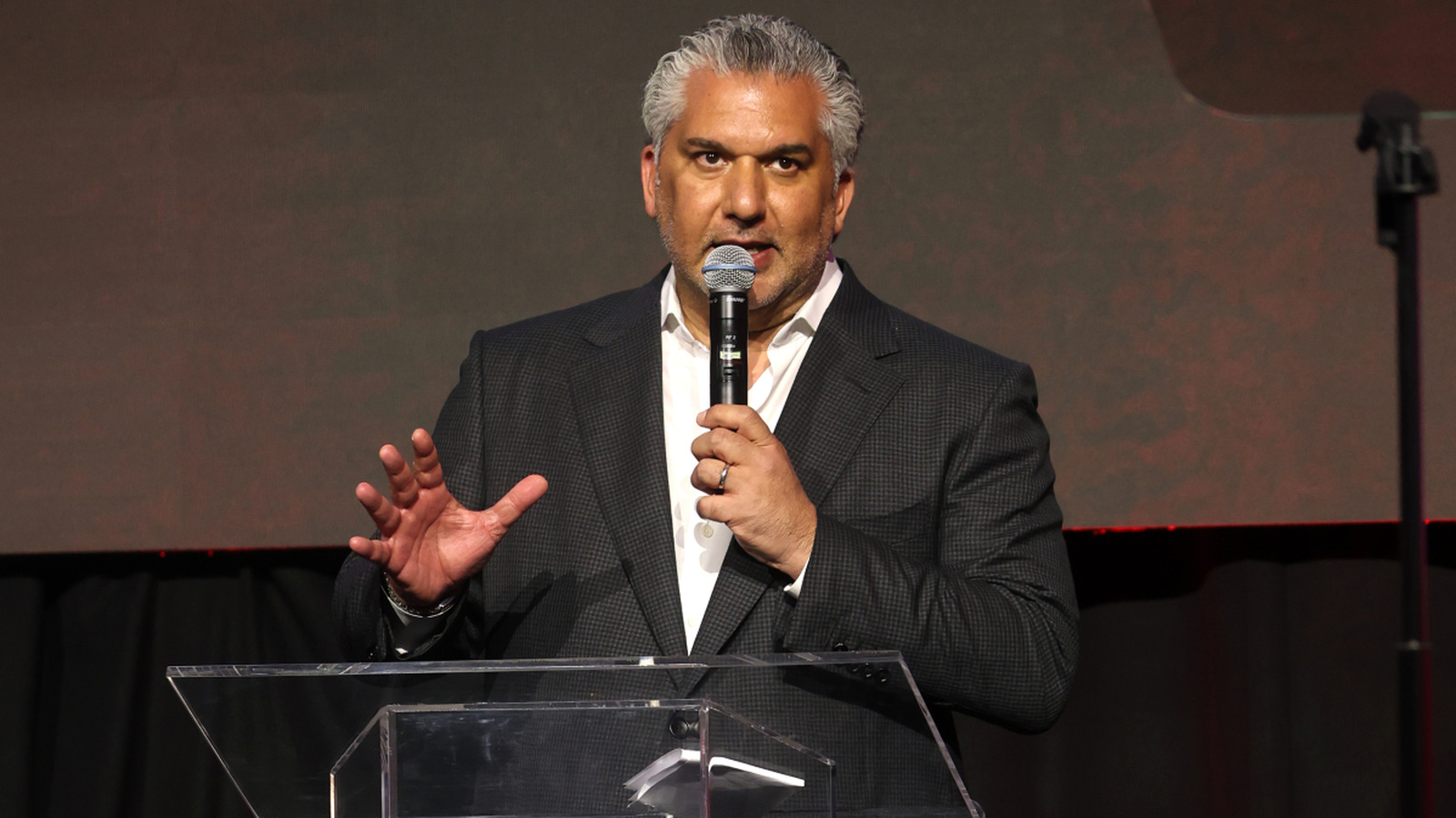
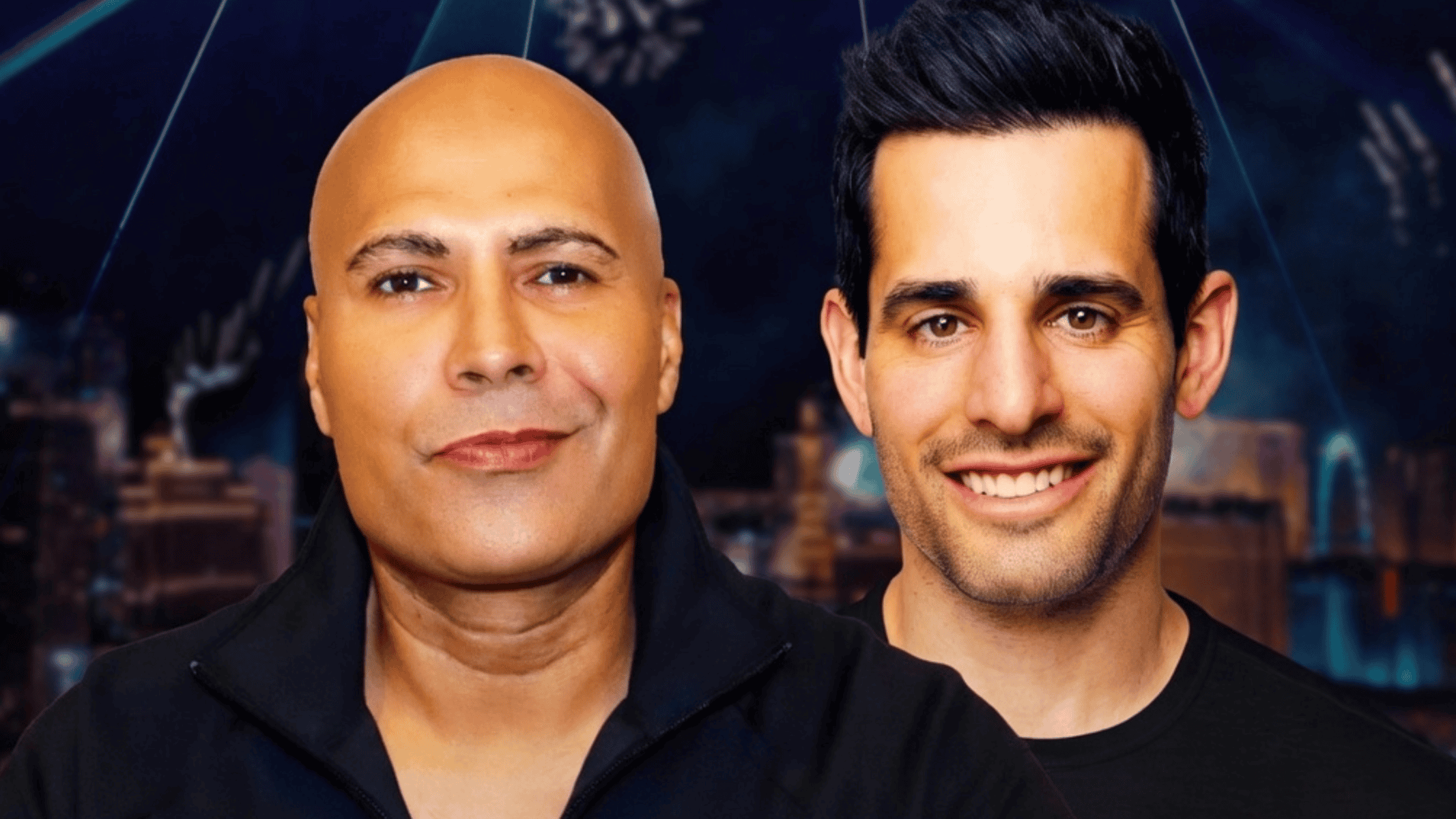
Triple H recently stated in recent reporting that the company lacks reliable backups for its top-tier stars. While some critics like Vince Russo have pointed to this as a failure in talent development, the current injury cycle highlights a more urgent logistical concern: the lack of a bridge to the mid-card when primary champions go down.
We have seen this historical pattern before. In 2016, a string of injuries decimated the WrestleMania 32 main event scene, forcing the company to pull retired talent back into the spotlight. Today’s reliance on a concentrated group of top talent makes any absence feel like a structural collapse. The strategy of leaning on established names, while commercially safe, creates a fragile house of cards that lacks depth when doctors intervene.
Impact on the booking cycle
Managing these injuries is not just a medical challenge; it shifts the financial outcome for investors. With WrestleMania 41 ticket sales setting records, the absence of marquee stars reduces the long-term potential for follow-up ticket sales at Backlash on May 9, 2026. The injury report is functionally a risk management document for the company's Q2 earnings call.
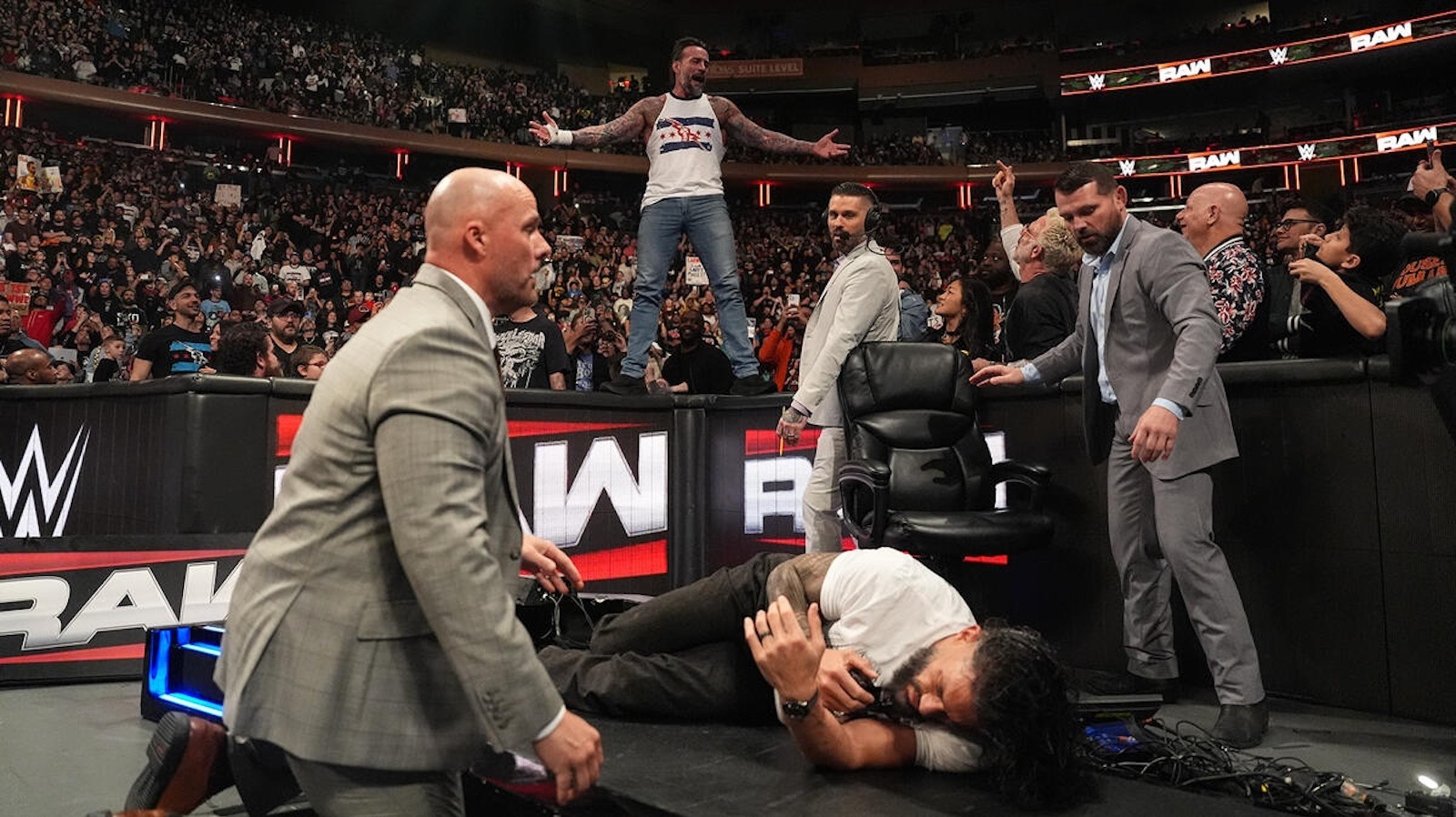
Booking logic has suffered accordingly. We are seeing more tag team matches and chaotic brawls to mask physical limitations. Instead of putting performers through a standard 25-minute singles bout, creative is layering in gimmicks and extra bodies. This protects the injured but dulls the impact of what should be a showcase of individual skill. It is a necessary evil, yet it feels like a concession to poor health management.
Looking ahead to the summer sprint
The timeline for recovery varies, but for many, the wait is arduous. Standard ACL and shoulder recovery timelines rarely dip below the 6-month mark, effectively ruling out participants for the summer cycle. The real test is not just the recovery; it is the physical health of those replacing them.
By the time we hit the UEFA Champions League Final on May 28, 2026, the focus of global sports media will have fully pivoted. Wrestling needs to have its house in order by then, or it risks losing the cultural momentum it fought to establish all spring. If the current roster cannot stay upright, the reliance on older, part-time stars will only grow, further exacerbating the tension between the modern product and the promised transition to new talent.
Professional skepticism is warranted. We have seen these medical updates cycle for decades, and the trend lines regarding athlete usage remain concerning. If management does not recalibrate the work rate or the frequency of physical spots, the list of names on the disabled list will only grow as the heat rises toward the summer months. WrestleMania is supposed to be the destination, but for far too many, it is becoming a recovery ward.
Read Next