The Bubble Has Finally Burst
Corporate press releases love talking about record-breaking gates. For the past three years, WWE executives have boasted about unprecedented revenue growth and sellout crowds. But the reality on the ground is shifting.
According to a recent report from WrestlingNews.co, the company has launched a promotion offering 25% off tickets for all domestic live events. This is not a standard promotional push. It is a quiet admission of a growing attendance problem.
House shows have always been the backbone of the wrestling business. They are where talent refines matches and connects with local markets. But the pricing strategy under TKO Group Holdings has pushed the average fan to a breaking point.
In 2024, a family of four could attend a non-televised event in a mid-sized market like Fort Wayne or Peoria for a reasonable price. Today, the face value of lower-bowl tickets for those same shows frequently exceeds $95 before fees. When you factor in parking, merchandise, and concessions, a basic Saturday night show becomes a major investment.
Fans are starting to vote with their wallets. The demand curve has bent, and WWE is finding out that pricing power has its limits. This new discount is a direct response to soft advance sales for the upcoming summer loop.
The House Show Slump by the Numbers
Let's look at the actual numbers. While television tapings for Raw and SmackDown continue to draw healthy gates due to their production value, non-televised events are cratering. Internal tracking suggests average house show attendance has dropped below 3,800 fans per event over the last quarter.
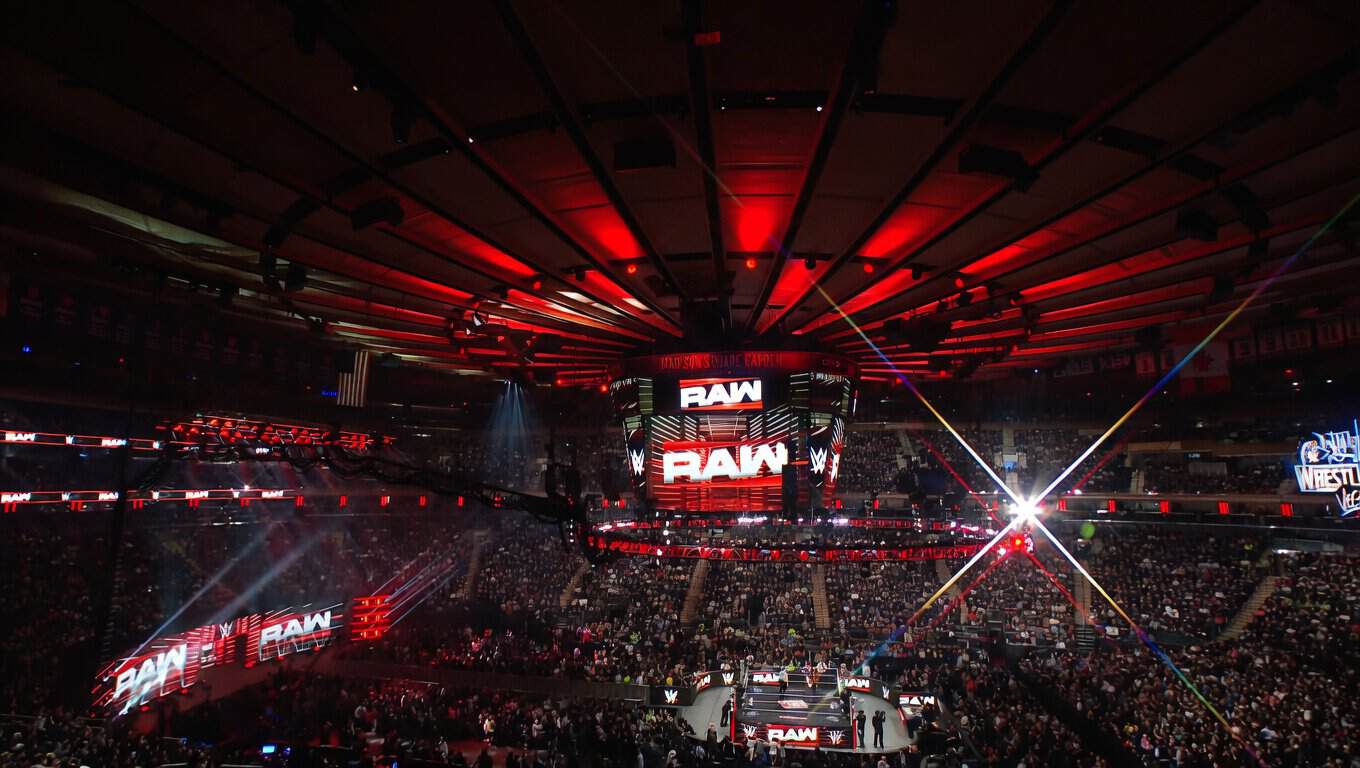
Compare this to the high-flying averages of 2024 and 2025, where even B-show loops were pulling in close to 5,500 people. The drop-off is visible in the hard-camera scaling. Arenas that used to open the upper tiers are now tarping off sections just to make the lower bowl look full on social media.
There is also a massive star-power deficit on these domestic tours. Cody Rhodes and Seth Rollins cannot work every single night. The draft splits and part-time schedules mean fans are often paying premium prices for cards headlined by midcard talent.
A recent live event card in Kalamazoo featured a main event of Gunther defending his title against a filler opponent in a ten-minute squash. The rest of the card was filled with developmental talent and repeat matchups. Paying near-PPV prices for what amounts to a televised taping warmup is a tough sell.
Furthermore, the product itself has entered a post-WrestleMania lull. Without major storyline progression on non-televised shows, the stakes feel non-existent. Fans know that nothing of consequence will happen at a Sunday house show in Bakersfield.
This ticket sale is a short-term band-aid. Cutting prices by a quarter might fill a few extra rows in the short term, but it damages the perceived value of the brand. Once fans realize they can get discounts by waiting, they stop buying tickets during the pre-sale windows.
This creates a death spiral for live event promotions. Pre-sales drop, forcing promoter panic, leading to deeper discounts, which reinforces the behavior of waiting. It is a lesson that retail brands learn the hard way, and wrestling is no exception.
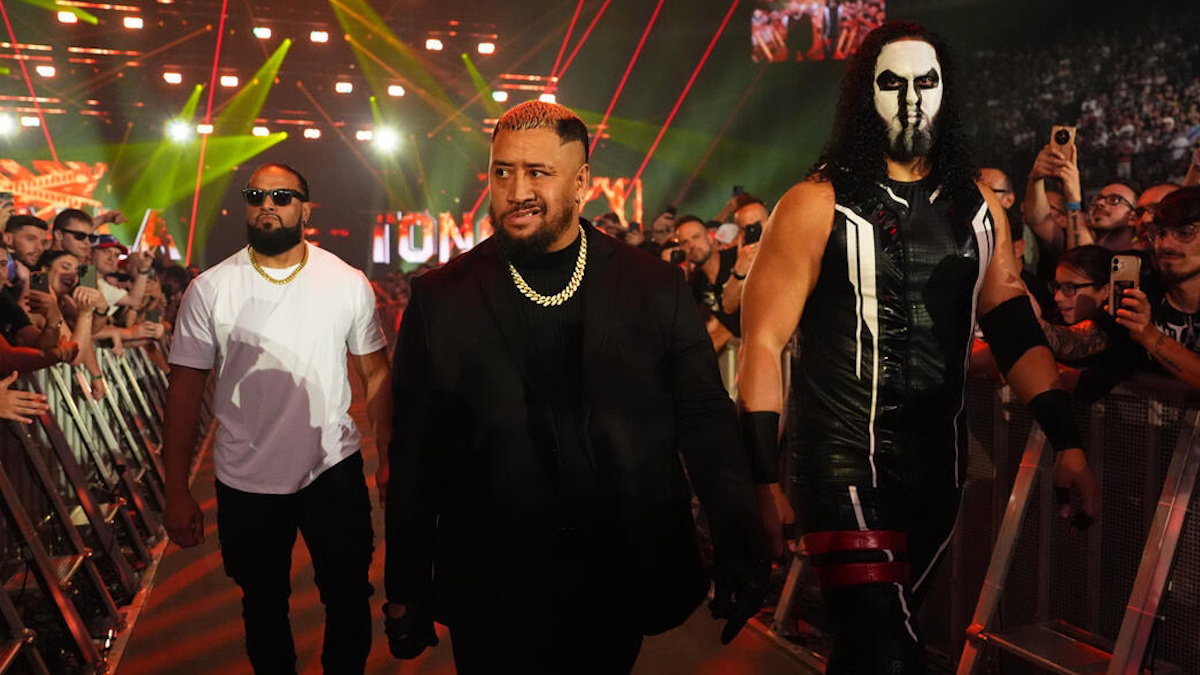
The booking decisions also share some of the blame. Keeping top heels like Solo Sikoa or Drew McIntyre off the house show loops to preserve their health hurts the drawing power. The B-team roster simply lacks the star power to draw casual families at these price points.
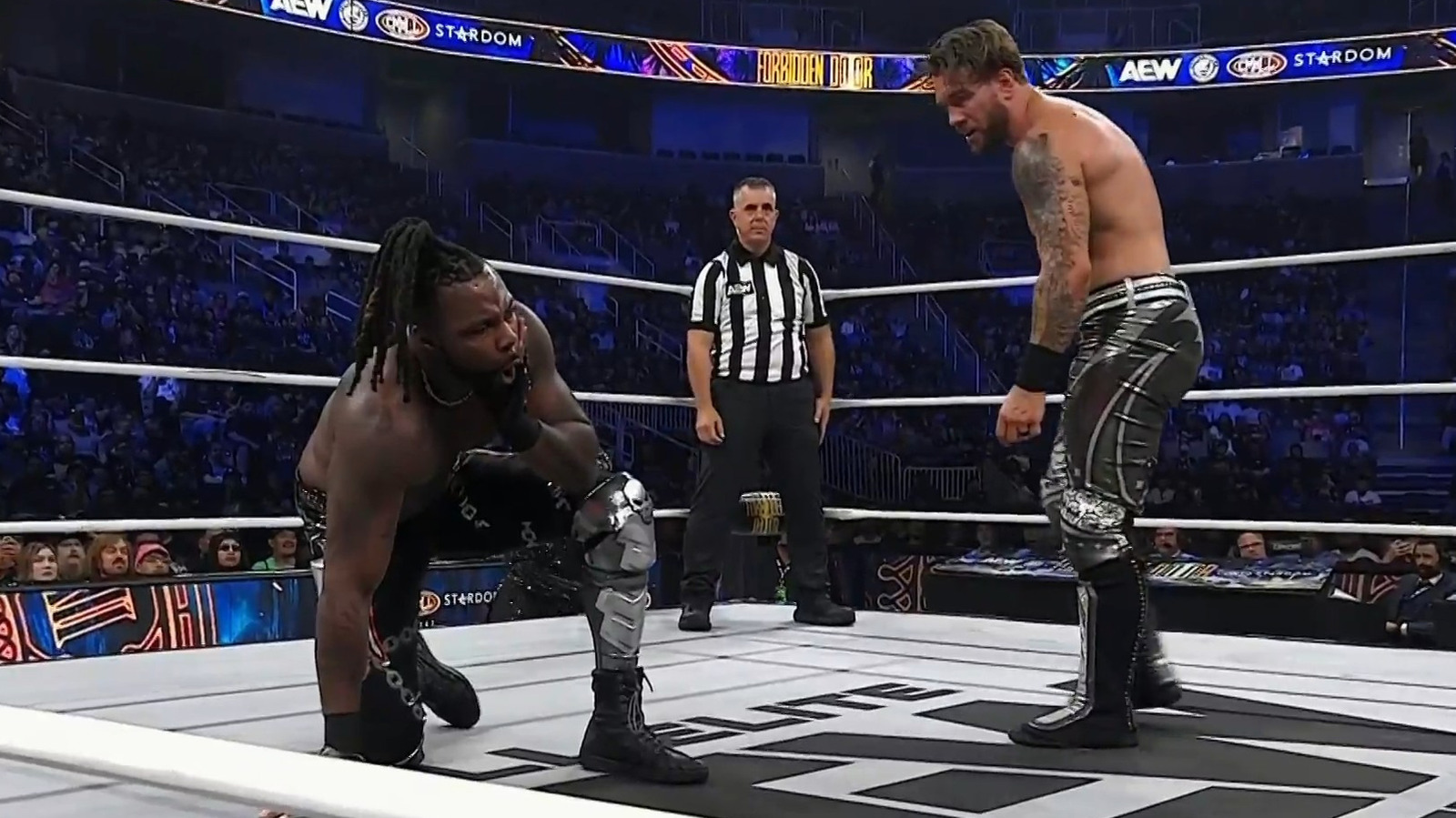
Let's also look at the competitive environment. AEW has scaled back its own live event touring because of similar cost-to-revenue challenges. The entire live wrestling market in North America is feeling the pinch of tightening consumer credit.
Wrestling is a cyclical business, and we are entering the downside of a historic boom. The casual fans who returned during the Bloodline peak are drifting away. The hardcore fans will still travel for PLEs, but they are skipping the local house show.
This price cut shows that TKO's financial model is hitting a wall. Their strategy relied on raising ticket yields to offset flat domestic television rights growth. When attendance drops, that yield calculation falls apart.
If a show draws 3,000 people paying $80, it makes less money than a show drawing 5,000 paying $55 when you account for merchandise sales. Merchandise per-capita spending at house shows has historically hovered around $15 per fan. Losing 2,000 fans means losing $30,000 in high-margin merchandise revenue before a single ticket is scanned.
The operations team has clearly run these simulations. They know that getting bodies in seats is more important than maintaining high ticket prices. The recent ticket sale announcement shows they are targeting every domestic live event.
But will it work? History suggests it won't, especially now that fans are smarter and track seating charts on sites like WrestleTix.
They see the empty rows and know they can buy cheap tickets on the secondary market minutes before bell time.
The Prediction: The End of the Domestic Loop
My prediction is that this discount is the beginning of the end for the traditional WWE domestic house show loop. Within the next 18 months, TKO will phase out non-televised domestic shows almost entirely.
They will transition to a model focused exclusively on television broadcasts, major PLEs, and high-margin international tours. International markets like the United Kingdom, Japan, and Germany are still willing to pay premium prices because they only see the stars once a year.
Running a domestic house show loop in flat markets is no longer cost-effective. The transportation, logistics, and crew costs have skyrocketed. The return on investment is no longer there when attendance dips.
This 25% discount is a flashing red light for the industry. It proves that the era of unlimited ticket price increases is over. Fans have set a hard ceiling, and WWE is hitting it head-first.
We are going to see a much leaner touring schedule by the time 2027 rolls around. The weekly grind of three to four live events per week will be reduced to just Raw, SmackDown, and occasional international stadium tours.
The era of the traveling road show is dying. This ticket sale is just the first step in WWE acknowledging that reality. Fans who want to see their favorite stars live will have to pay the premium to see them at TV tapings or major stadium shows.