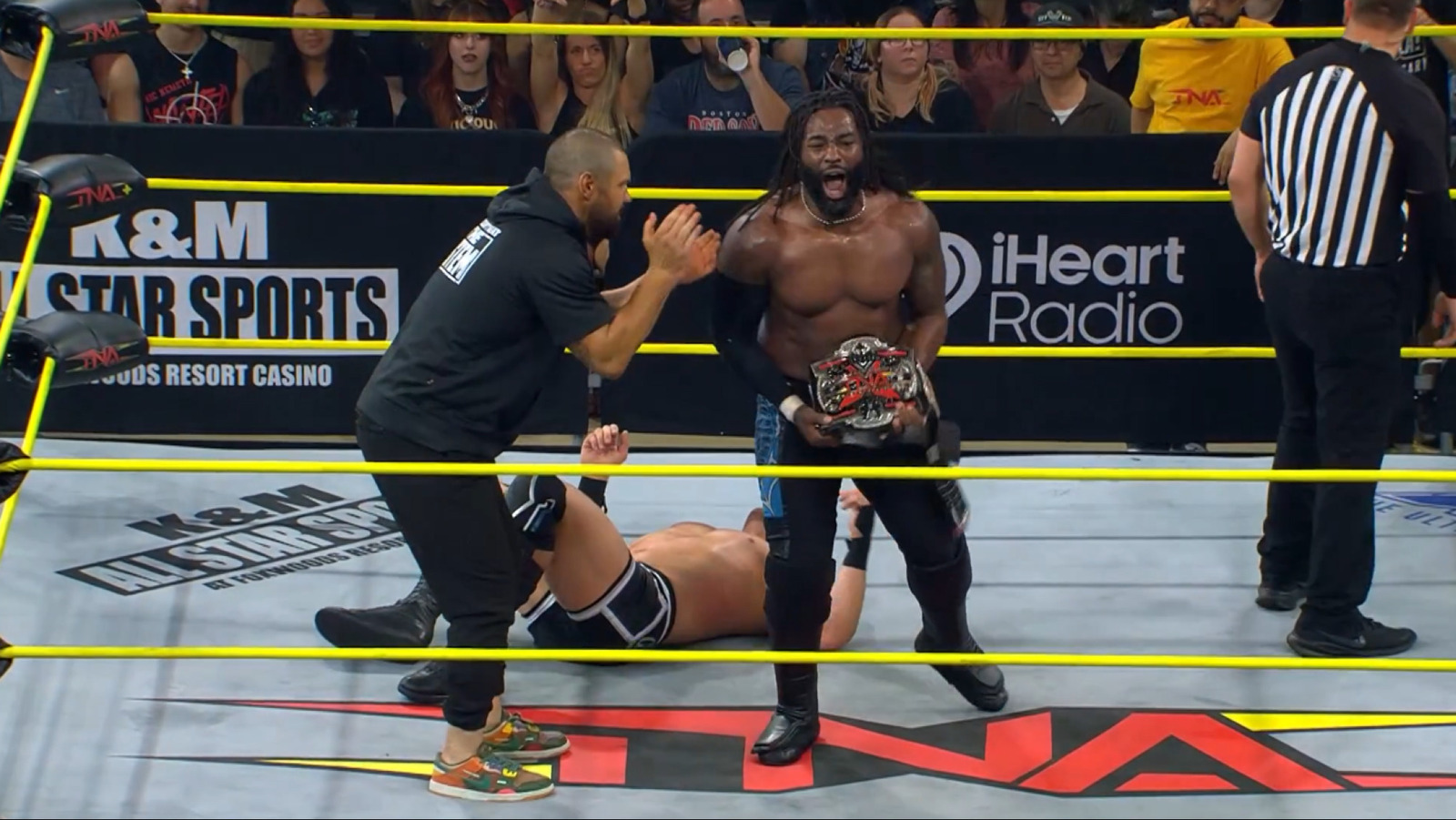
Why the Cruiserweight Classic still defines modern technical wrestling
The lingering shadow of a 2016 turning point
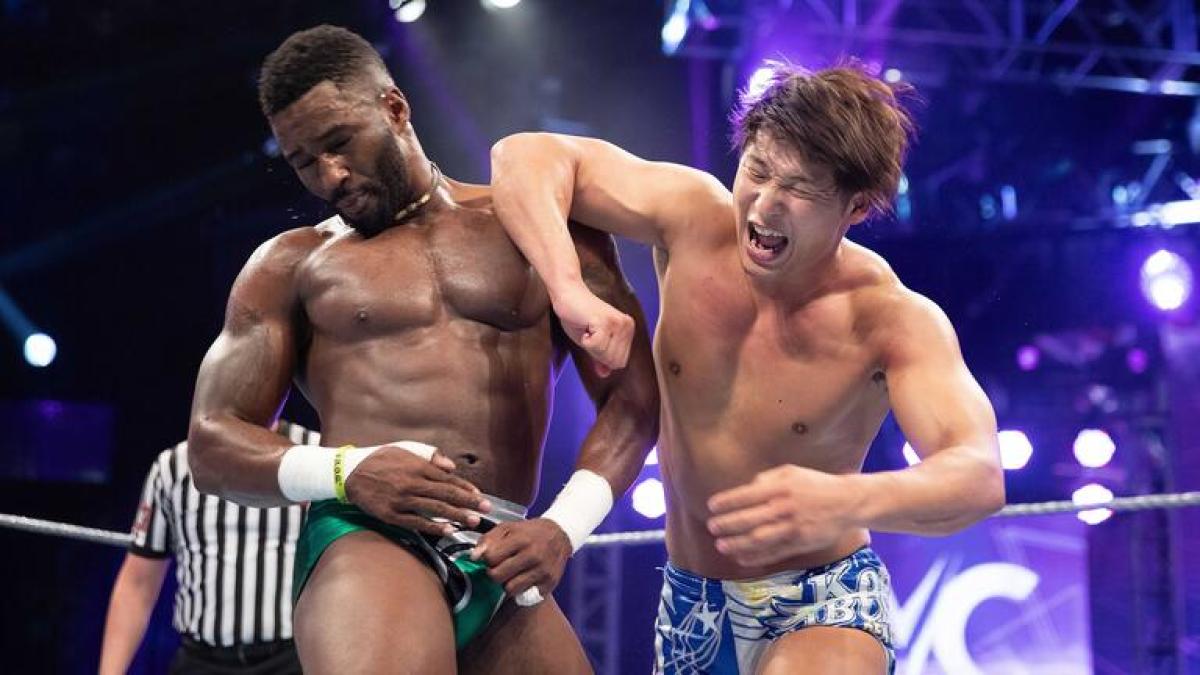
Professional wrestling rarely gets a do-over, but the 2016 Cruiserweight Classic remains the gold standard for independent-to-mainstream crossovers. Cedric Alexander recently reflected on his bout against Kota Ibushi, pinpointing the authenticity of that exchange as the catalyst for his trajectory. Eight years later, that match stands as a technical benchmark that current rosters fail to replicate.
The match functioned less like a traditional WWE contest and more like a high-stakes kinetic experiment. There was no reliance on overproduced entrances; it was raw, focused, and centered on the geometry of the squared circle. Alexander and Ibushi turned the performance center into an arena of genuine desperation. The emotional weight of the crowd reaction pushed WWE officials to abandon their original script, a rare moment where public demand forced a permanent shift in booking philosophy.
The mechanics of a standout performance
Breaking down the physicality of 2016
If you rewatch the tape, the brilliance lies in the pacing. Alexander utilized a stiff, uncompromising style that contrasted sharply with Ibushi’s aerial versatility. The sequence of strikes at the 12-minute mark remains one of the most fluid displays of pacing in the last decade. They understood that the audience didn't want a series of spots; they wanted an escalation of risk.
This recent retrospective from Cedric Alexander highlights why authentic wrestling resonates long after the lights fade. It wasn't about the showmanship of the era; it was about the tangible threat of a three-count. The tension built through simple transition holds that actually mattered, a stark contrast to contemporary matches that often feel like choreographed dance routines devoid of urgency.
Why modern booking struggles to keep pace
Despite the success of the format in 2016, the main roster implementation of the cruiserweight division ultimately stalled. It struggled because the spontaneity of the tournament vanished once it entered the weekly television cycle. When you put 'authentic' wrestling on a three-hour broadcast with commercial breaks, the urgency is neutered by necessity.
The current landscape suffers from a lack of stakes. We see talented performers locked into segments that prioritize character work over the actual mechanics of the bout. The CWC succeeded because the outcome mattered to the participants' careers. Watching Alexander trade strikes with Ibushi provided clear evidence of stakes — a loss was not just theatrical failure, but a career ceiling limitation. Current booking often hides technical talent behind convoluted storylines rather than letting the ring tell the story.
As we approach WrestleMania 41, the disparity remains evident. We rarely see the same level of granular, high-intensity storytelling that defined those 2016 nights. Wrestling fans are left to mine the past for moments that felt truly competitive. Unless the promotion finds a way to integrate that level of stakes into the weekly product, these tournament highlights will continue to serve as the benchmark that everything else fails to reach.
WWE Championship Toy Title Belt
Hold the gold and live out your championship dreams right in your living room!
Frequently Asked Questions
Why is the 2016 Cruiserweight Classic considered a technical benchmark?
What made the Cedric Alexander versus Kota Ibushi match unique?
Why did the cruiserweight division struggle after the tournament ended?
How does modern wrestling booking differ from the Cruiserweight Classic?
What caused the crowd reaction that changed WWE's booking philosophy?
More Coverage

Drew McIntyre sidelined following brutal SmackDown encounter
an hour agoWWE's New York gamble is a calculated risk ahead of WrestleMania 42
2 hours ago
WWE's Saturday Night's Main Event math doesn't add up
2 hours agoWWE's return to New York changes the math on stadium attendance
2 hours ago
Top 10: Top Moments from MSG
3 hours ago
SmackDown is drifting into mid-summer malaise
3 hours agoMore Analysis

Cedric Alexander explains the chemistry behind his greatest in-ring rivalries
1 month ago
Why the modern in-ring product is hitting a technical ceiling
1 month ago
Cedric Alexander is right about TNA and it hurts to admit
1 month, 2 weeks ago
Why the modern wrestling product is allergic to actual wrestling
3 months, 1 week ago
Why Gangrel is right about the lost art of wrestling psychology
19 hours ago