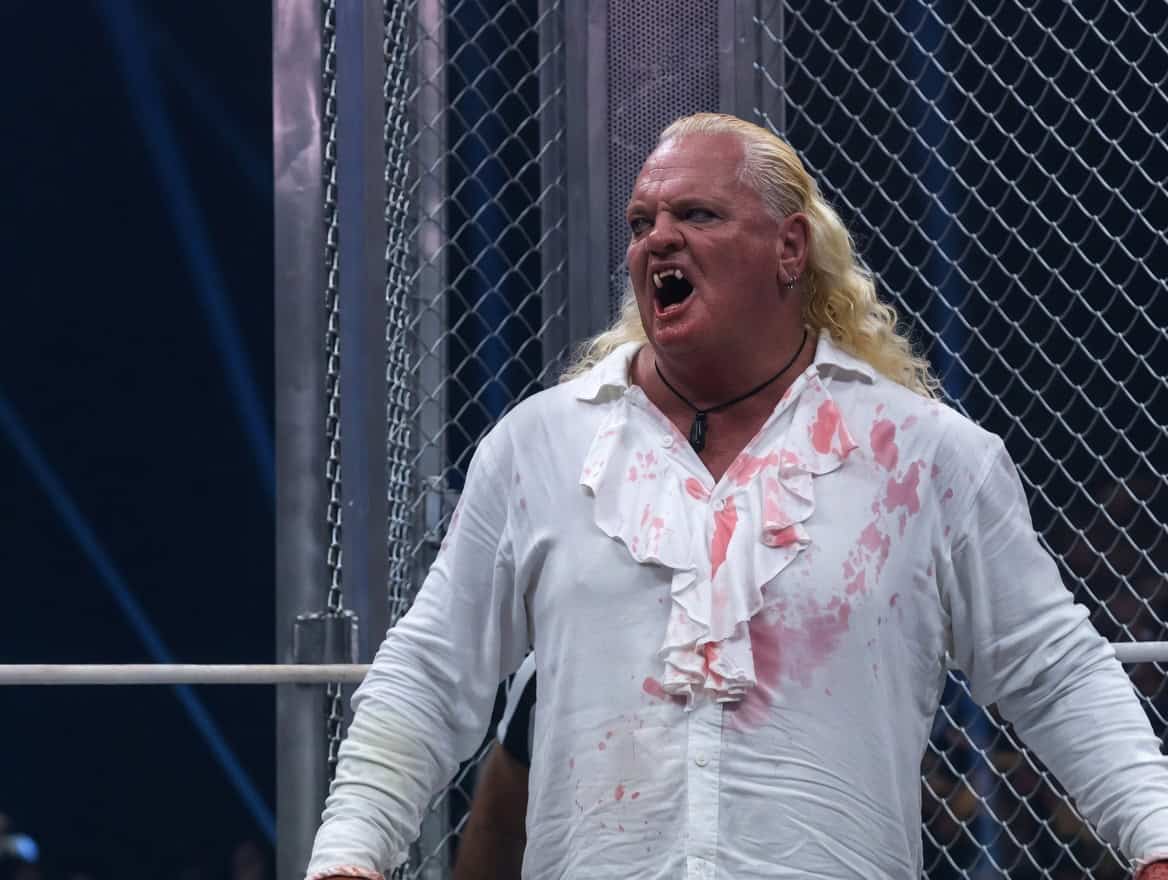
Why the modern wrestling product is allergic to actual wrestling
The seven-minute trap
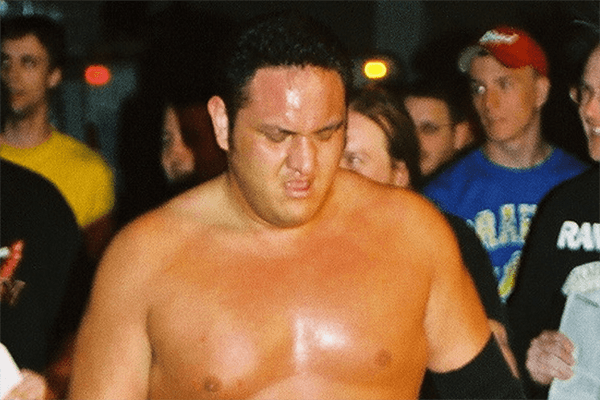
Glancing back at the archives is a brutal exercise in perspective. On April 1, 2006, TNA Impact delivered an hour of television featuring only seven minutes of bell-to-bell action. That is not a typo. Despite having a roster containing Samoa Joe, Alex Shelley, Chris Sabin, and Sonjay Dutt, the focus remained steadfastly on backstage segments rather than the squared circle.
History repeats itself with frustrating consistency. We see modern companies prioritize angles and talk-heavy segments over the actual utility of talent. When AAA on Fox sets up a Reina de Reinas title match, it is inevitably buried under a mountain of promos rather than being allowed to breathe through in-ring storytelling.
Missing the bell-to-bell mark
Look at the composition of current programming. We are flooded with non-wrestling segments that serve to inflate runtimes while the athletic caliber of the roster stays parked in the garage. Wrestling should be the engine, yet it is treated as an optional accessory.
When Danhausen crashed the SmackDown tag team title match, as reported by Ringside News, the focus shifted from a potential championship classic to a comedy vignette. The Miz warning him to stay away was a fine subplot, but when the narrative outweighs the athleticism, the product inevitably suffers. Television is built on conflict, but the most compelling conflict occurs through physical exertion, not mic work.
The math doesn't lie
Comparing the 2006 TNA output to today, one might assume we have progressed. However, look at the distribution of time. We are seeing more three-hour broadcasts that struggle to fill their windows with meaningful matches, leading to a dilution of the stakes. If the champions are rarely defending in high-leverage bouts, the belts lose their luster.
The seven-minute threshold from 2006 should have been viewed as a nadir for the industry, not a template for future production. Yet, we see a recurring error where segments are stretched to maximize commercial breaks while the actual matches are compressed into lightning-fast sprints. It forces workers to condense complex psychology into five-minute windows, which strips away the nuance of a well-told story.
Why efficiency matters
True efficiency in booking isn't about shortening matches—it is about ensuring every minute justifies its existence. A twenty-minute main event should not spend half its duration in a commercial break. When the booking team treats the clock as an enemy, the wrestler becomes the victim.
- Promos rarely exceed 10 percent of total ring time in legitimate athletic contests.
- Match pacing requires breathing room for signature sequences to feel earned.
- Interruption-heavy booking undermines the credibility of the champions.
We are fourteen days away from WrestleMania 41, and the anticipation is high. But the company must ensure that the spectacle does not come at the cost of the sport. We need fewer segments involving outside interference and more technical depth that respects the audience's investment. If the product loses its tactical core, it becomes nothing more than a soap opera with better cardio.
It is time for the producers to let the talent carry the load. Let them reset, sell the struggle, and finish the job between the ropes. Anything else is just noise masking the lack of a plan. The fans deserve more than seven minutes of action in an hour; they deserve a return to the fundamentals that made them wrestling fans in the first place.
Frequently Asked Questions
How much wrestling aired on the April 1, 2006 episode of TNA Impact?
Why does the author believe modern wrestling programming suffers?
What is the primary consequence of excessive commercial breaks in matches?
How do non-wrestling segments negatively impact championship credibility?
What is considered efficient booking in professional wrestling?
More Coverage
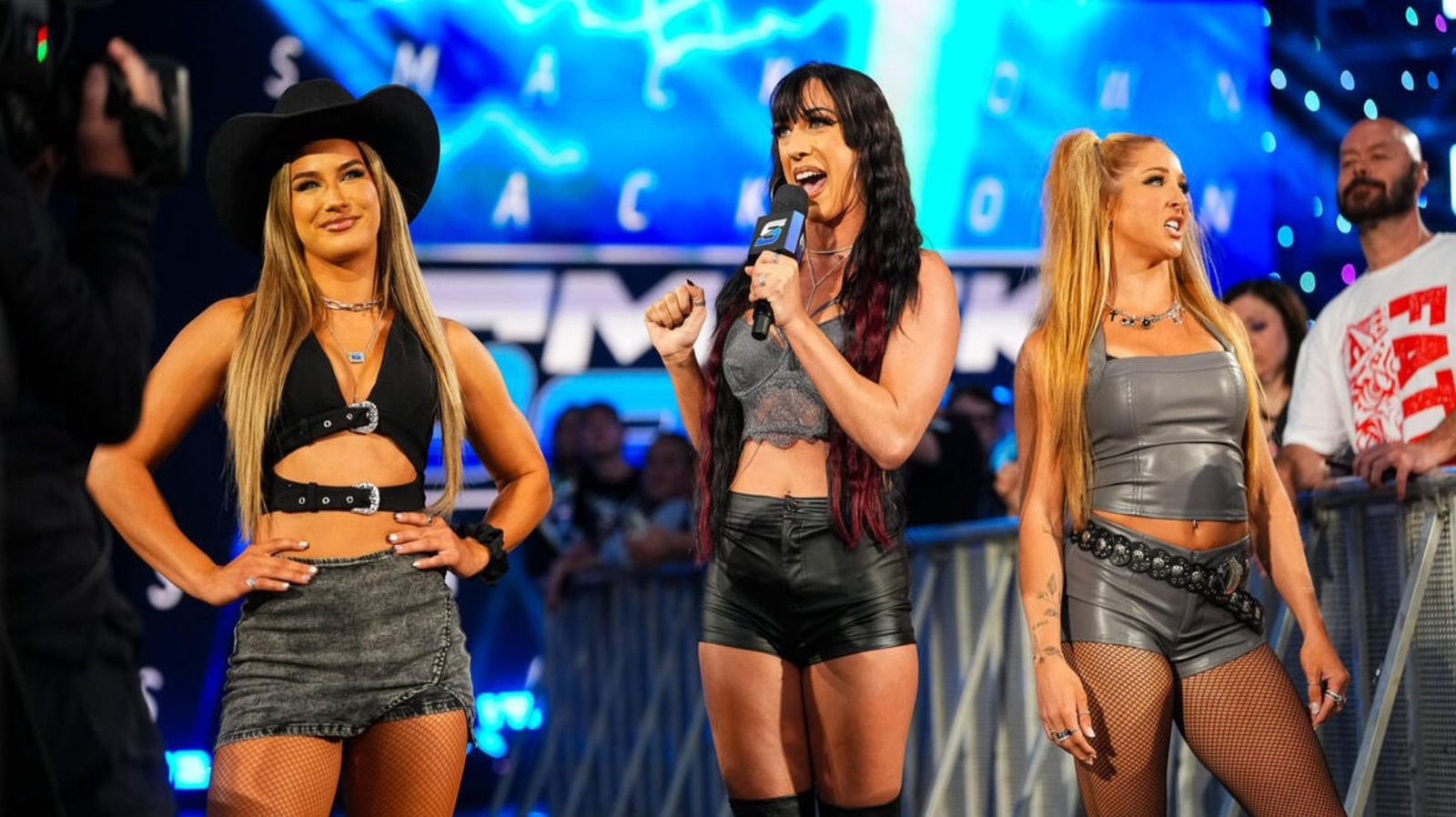
Fatal Influence are testing the durability of WWE's tag team division
3 minutes ago
Sami Zayn’s title reign remains the flashpoint of modern WWE booking
3 minutes ago
Why nostalgia-heavy podcasting is failing the current wrestling product
4 minutes ago
Cody Rhodes and CM Punk are drifting toward a collision course
4 minutes agoSummerSlam's new match has the internet split right down the middle
46 minutes ago
Nick Aldis is stepping back into the ring for SummerSlam
46 minutes agoMore Analysis
TNA is playing a dangerous game with its current booking momentum
3 months, 2 weeks ago
TNA is spinning its wheels while the rest of the industry accelerates
1 week, 2 days agoTNA is spinning its wheels while everyone else is racing
2 days, 11 hours ago
Why the modern in-ring product is hitting a technical ceiling
1 month ago
TNA is repeating the same structural mistakes that killed its growth
5 days ago