The hidden gem in the basement
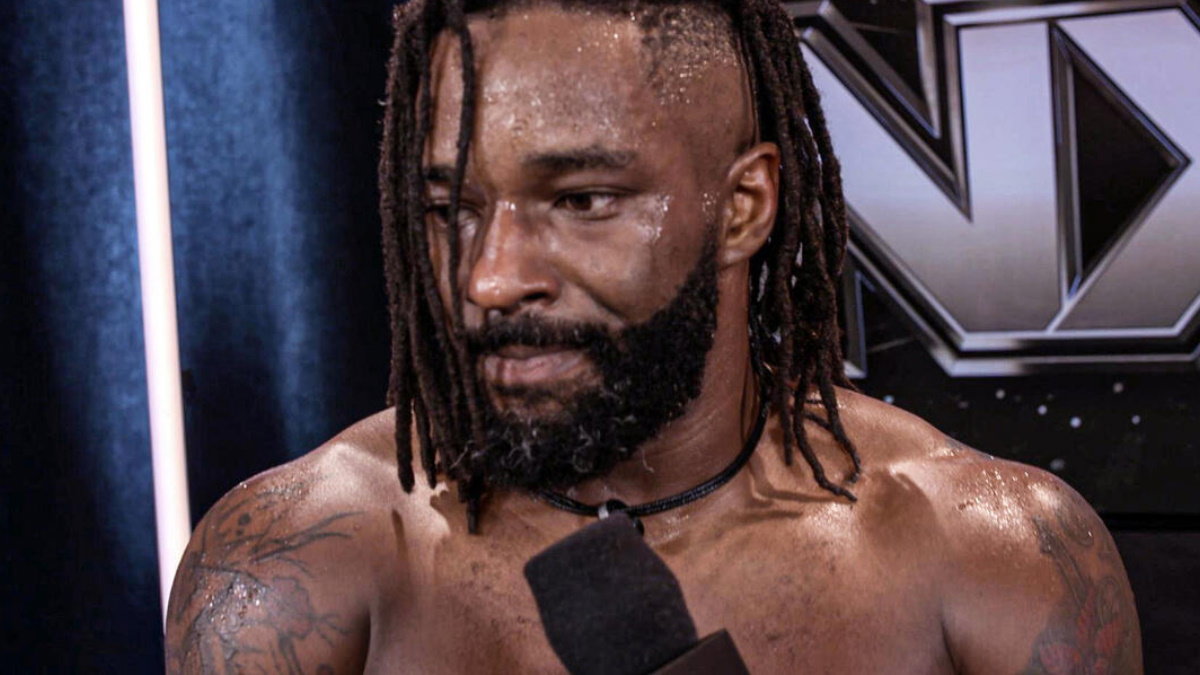
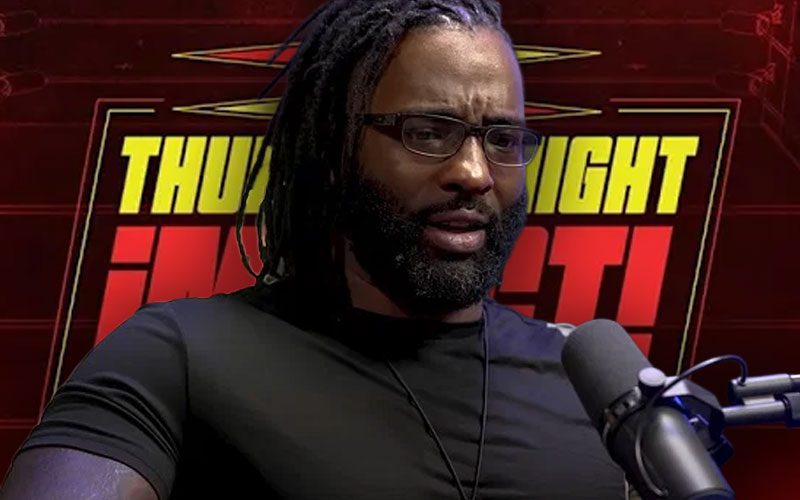
Cedric Alexander finally said the quiet part out loud regarding TNA Wrestling. While the rest of us are busy dissecting the weekly bloat of the big two promotions, Alexander correctly identified that TNA is packing a punch they aren't getting credit for. It is the wrestling equivalent of a cult-classic indie band playing to a half-full bar while the arena tour is busy putting fans to sleep with pyro and mid-card promos.
As Ringside News reported, Alexander emphasizes that the issue isn't the talent inside the squared circle. It is entirely a perception game. We have seen these guys rotate through the industry, putting on technical masterclasses that die on niche forums while the main event scenes elsewhere feel like they are stuck in a loop of nostalgia-baiting matches.
The visibility crisis
The problem with TNA right now is that the signal-to-noise ratio is completely busted. You have elite workers grinding out matches on shows that get buried under the weight of major corporate marketing machines. Alexander realizes that when talent of his caliber looks at a roster, they see work rate, psychology, and execution that often outshines the heavy hitters who get more screen time.
It is not just about the veterans either. The younger talent in TNA is currently being forced to learn the hard way—trying to cultivate a fanbase when the global spotlight is pointing somewhere else entirely. This is why watching the product feels like finding a lost tape of a classic NJPW undercard bout from 1998. It is great, but nobody is watching it except the hardcore geeks who live for the craft.
Booking into a corner
Here is where I have to be critical: TNA isn't doing themselves any favors with their creative direction. They might have the most underrated roster, but having a Ferrari engine in a lawnmower frame does not win races. The booking feels disjointed, lacking the narrative cohesion that drives interest beyond the die-hard base.
You can have the best suplex-to-dropkick transition in the business, but if the storyline is just a placeholder, the crowd stays dead. It is a recurring nightmare for the promotion. They treat every episode like a final destination rather than building a month-long story that actually matters by the time the pay-per-view hits. That is a massive missed opportunity for everyone involved.
Is the grass really greener?
Alexander’s take is bound to stir the pot in the locker rooms elsewhere. When a guy from the WWE side of the table starts praising the competition’s depth, it sends a message that the industry hierarchy is not as rigid as the suits would like to believe. It implies that merit is being overshadowed by accessibility.
However, we have to look at the reality of how these promotions function. Without the distribution clout to drive eyes to the screen, the best roster in the world is just a group of guys holding expensive gym memberships. Even with high-octane efforts like a 20-minute iron man match, they struggle to gain traction in an era where attention spans are measured in seconds.
The fans know the truth, even if the analytics don't reflect it yet. TNA is sitting on a gold mine of hungry, overlooked performers who are ready to break out, provided someone finally decides to turn the lights on. Until then, it stays a well-guarded secret. That might be good for the soul, but it is a disaster for the bank account.