The chemistry that defines a career
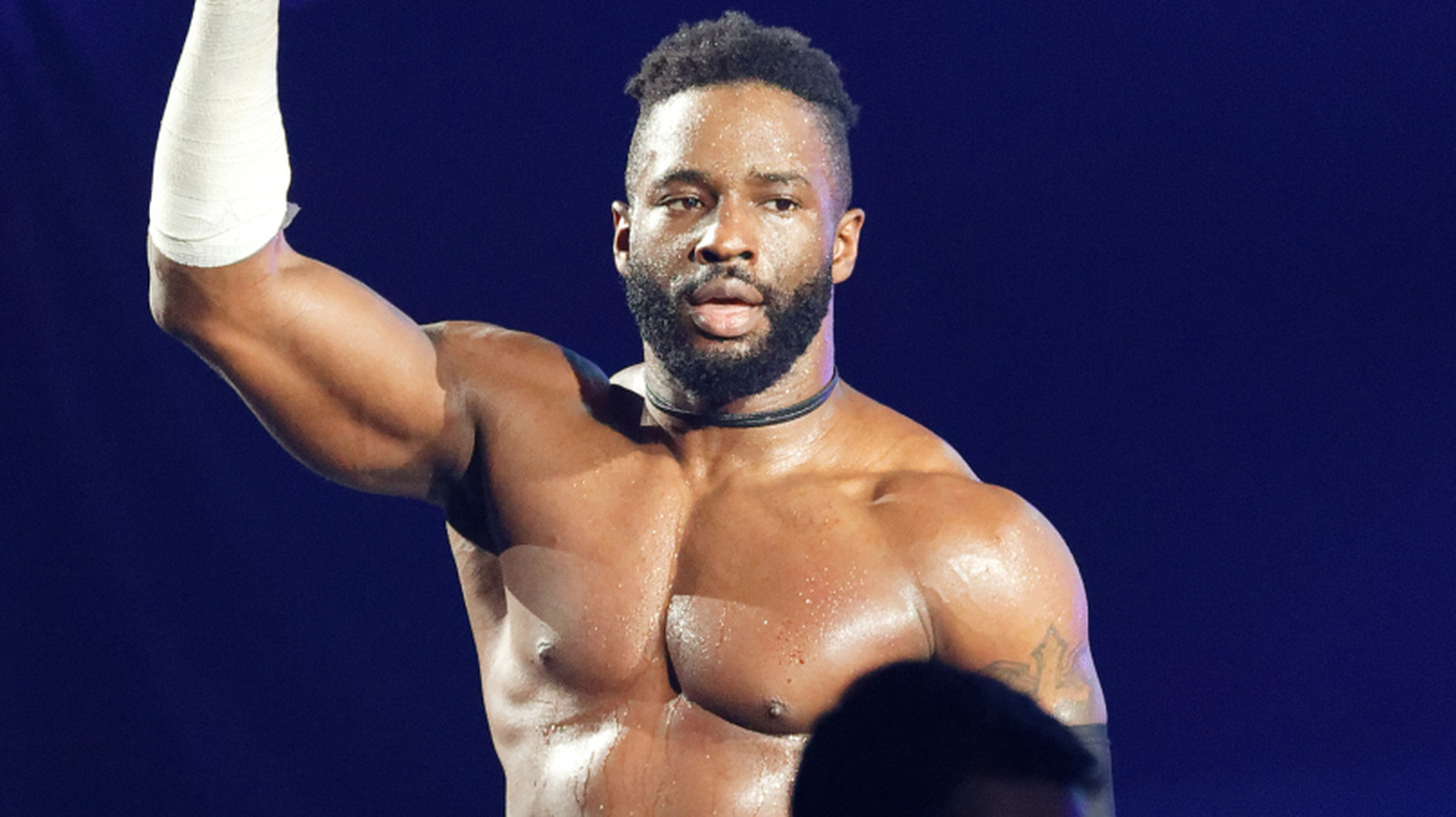
Cedric Alexander spent years in the WWE system, but his output remains defined by a specific tandem. In a recent interview, Alexander pointed to his history with Mustafa Ali as the gold standard for his professional work style. They operated on an unspoken frequency, moving with a rhythm that rarely required heavy rehearsal in the lead-up to their televised segments.
The partnership between these two athletes did not follow the standard booking patterns of their era. While management often prioritized size or spectacle, Alexander and Ali utilized technical fluidity to force the audience to pay attention. They understood that the middle of the card requires high-octane innovation to survive the transition into the main event slots. Their matches weren't just filler; they were auditions for future world title shots.
Defining the soul mate connection
Alexander describes this connection as an intangible asset. It is the ability to walk into a ring without a scripted sequence plan and rely entirely on instincts. He notes that finding someone who anticipates a transition before it occurs is what separates reliable workers from genuine main eventers.
I look at Mustafa Ali as a wrestling soul mate. We just clicked. I didn't have to tell him what I was going to do. I just knew.
This dynamic mirrors the legendary partnerships of the territory days where chemistry was the currency of the business. By relying on split-second reading of his opponent, Alexander maintained a pace that prevented his matches from stalling. Watching their past encounters, the evidence of this intuition is clear in how they adjusted to counters mid-air without losing momentum.
However, this reliance on chemistry has a downside. When a wrestler becomes too dependent on one specific partner to extract their best, it creates a ceiling for their solo work. Critics have noted that Alexander struggled to replicate this high-level urgency when placed into storylines that lacked a high-work-rate foil. When the opponent wasn't moving at his speed, the presentation often suffered from a lack of narrative direction.
The realities of modern booking
Alexander acknowledges that the industry often moves too fast to allow for such organic relationships to flourish. The pressure to generate social media clips on a weekly basis frequently kills the slow burn of a genuine rivalry. By force-feeding opponents to the audience, bookers often discard the nuance that made the Alexander-Ali exchanges feel significant.
He speaks about the frustration of being caught in a loop of start-stop pushes. Despite the high quality of his work, he remains a talent known more for his potential than for sustained championship hardware. His comments suggest that he values the quality of the work over the win-loss record, a sentiment that separates the true artists of the ring from those merely looking for a paycheck.
The industry is currently obsessed with the legacy of performers who didn't get their due under the bright lights of main event pay-per-views. Alexander's career reflects that era of high-effort, low-payoff booking. He remains a case study in how technical excellence can be overshadowed by the shifting priorities of those holding the booking pen.
Looking at the current landscape, youth often gets a pass while veterans are tasked with elevating whoever happens to be on the board for the night. Alexander has served that role for years, acting as the stabilizer for younger athletes still learning their craft. But there remains a lingering sense that his own prime was spent facilitating others' growth rather than cementing his own legacy as a primary champion.
The connection he highlights with Ali is a reminder that professional wrestling succeeds when it trusts performers to manage their own environment. When the script gets too heavy, the magic evaporates. Alexander has always performed best when the guard rails are removed and he is allowed to focus on the technical precision that defined his early success. His reflection on these past matches provides a look into the internal clock of a wrestler who still believes he has more to offer.
As we look toward the remainder of 2026, the question is not about talent, but opportunity. Can Alexander find another partner who provides that same level of instinctive push, or were those days a lightning strike that occurred just once? Regardless, his take on the importance of the internal connection between two performers serves as an indictment of overly scripted, sanitized wrestling matches that feel more like choreographed dance routines than organic competition.
It is worth noting that for every Ali, there were three other opponents during his tenure who yielded little in the way of memorable action. The inconsistency of his opponents in the middle of the roster is a reflection of a wider failure to build long-term narrative arcs. If the company were truly committed to excellence, they would have leaned harder into the alchemy that Alexander clearly possesses.
Instead, we are left looking back at past footage during interviews. It is a classic move for a performer at this stage in his trajectory. Alexander knows the value of his work, even if the brass didn't always reflect that on the final scorecard.