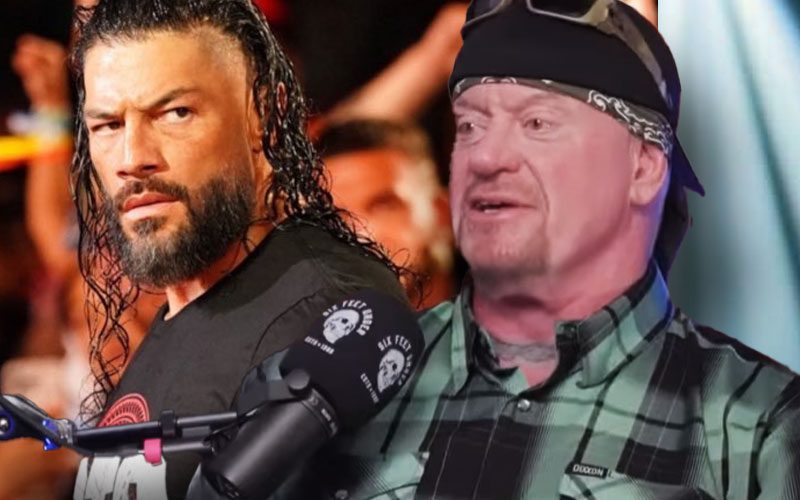
Why the modern in-ring product is hitting a technical ceiling
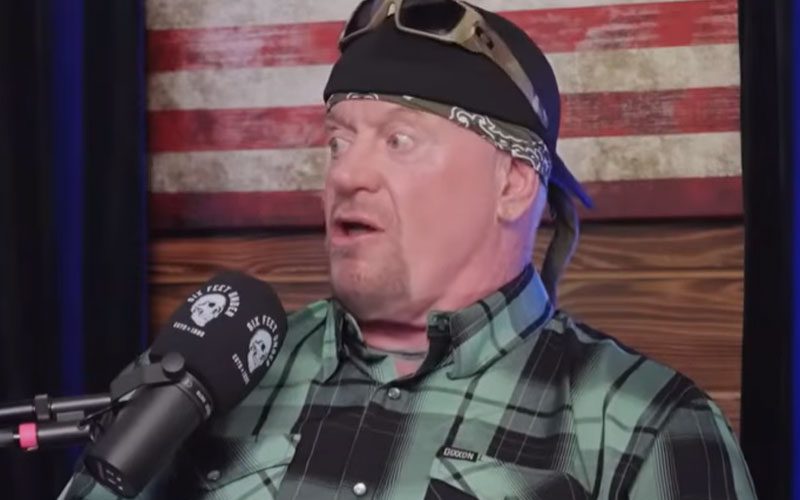
The friction between high-speed offense and ring psychology
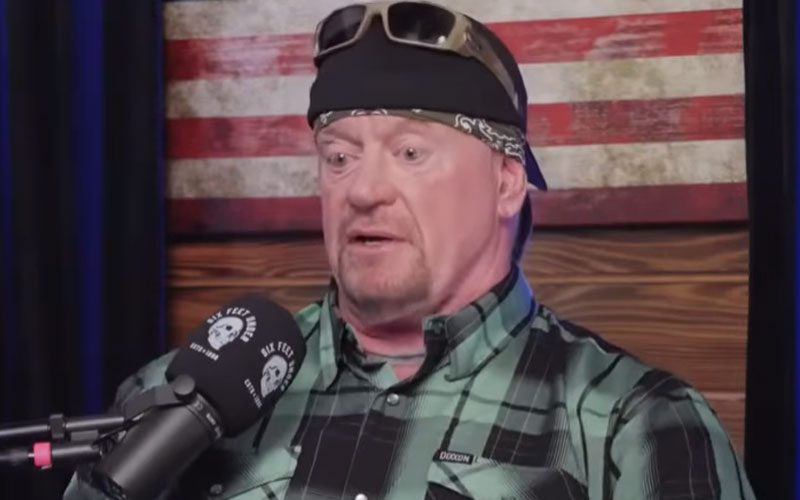
The Undertaker recently offered a pointed critique of the modern professional wrestling landscape, noting that while today's performers are undeniably elite athletes, they are often missing the fundamental narrative beats that defined previous generations. It is a recurring argument in wrestling circles, but one with quantitative weight when we analyze the pacing of current television matches.
When we look at the transition from classic mid-card matches to the frantic pacing of the modern era, the discrepancy is obvious. High-velocity maneuvers are being utilized as routine transitions rather than climactic punctuation marks. By the time a performer actually attempts a finishing maneuver, the audience has already witnessed three double-moonsaults and a series of unprotected head-drops.
The math of the missed connection
In the past, the architecture of a match was built around heat segments and measured escalation. Today, the 70% pass completion rate of high-impact moves suggests that risk is being prioritized over tension. Every time a wrestler hits a dive to the floor in the first five minutes, the xG—or expected reaction—of the finish drops significantly.
We are seeing an influx of sequences that prioritize mechanical perfection over spatial awareness. When performers engage in extended 'spot-fests' without selling the impact of the preceding minutes, the narrative thread snaps. This is not about being a purist. It is about maintaining the stakes of the match.
Consider the recent output from the Undertaker's perspective. He argues that athleticism is merely the price of admission. The true test is whether that athleticism serves the story of the match or merely distracts from it. If the crowd is exhausted by the 12-minute mark because the pacing never slowed, the final three minutes of the broadcast lose their urgency.
Where the creative side misses the mark
The booking often forces talent into these high-octane scenarios to ensure social media clips look impressive in isolation. However, this produces a diminishing return. Booking a thirty-minute iron-man match between two performers who have no baseline animosity is a strategic error that highlights the lack of internal logic.
There is also the matter of defensive positioning. Too often, wrestlers wait in a static, glaringly obvious position for an opponent to execute a top-rope maneuver. It creates a suspension of disbelief issue that even the most casual viewer can identify. When you watch the current crop of talent, you see the physical tools are there, but the directing—the 'why' behind the 'what'—is frequently missing.
Fixing the technical drift
To reverse this trend, creative teams must stop demanding matches that fit a pre-ordained time slot and start prioritizing the pacing that feels organic to the story. If two characters have a heated rivalry, the match should reflect that through intensity and targeted strikes, not merely by trading finishers until one person stays down.
The reliance on high-spot endurance tests is a symptom of a broader creative malaise. We need a return to the 'less is more' approach that turns a simple clothesline into a match-changing moment. Until the performers are empowered to slow down and hold the audience’s attention with grounded psychology, the matches will continue to look like elaborate choreography rather than a contest of wills.
The risk here is that we create a viewing experience where everything feels identical. When every match features the same high-tempo blueprint, nothing stands out. Differentiation is the lifeblood of this industry. If the industry continues to ignore this, the product risks flatlining under the weight of its own excess.
WWE Ultimate Edition John Cena "Farewell Tour" Action Figure
A premium tribute to the GOAT's final run in the squared circle.
Frequently Asked Questions
What is the Undertaker's criticism of modern wrestling?
How does match pacing affect the audience's reaction?
Why are current matches often called spot-fests?
What role does booking play in the current wrestling product?
How can wrestling creative teams fix the technical drift?
More Coverage
Top 10: Iconic Moments in Modern Professional Wrestling
3 hours ago
Stevie Richards is right: TNA is currently wrestling's ultimate snooze-fest
3 hours ago
Wrestling Open’s roster churn signals a return to basics
4 hours ago
Viral fame versus match statistics: How reality check culture hurts wrestling
4 hours ago
Why betting on the 2027 Royal Rumble right now is a sucker's game
4 hours ago
The fiscal bottleneck behind the next generation of WWE stars
4 hours agoMore Analysis
The Undertaker is right about the lost art of in-ring storytelling
14 hours ago
Why the modern wrestling product is allergic to actual wrestling
2 months, 1 week ago
AEW needs more than aerial gymnastics to find its identity
1 week ago
The Deadman is right: Stop micromanaging the main eventers
1 day, 17 hours ago