The disconnect at the top was always visible
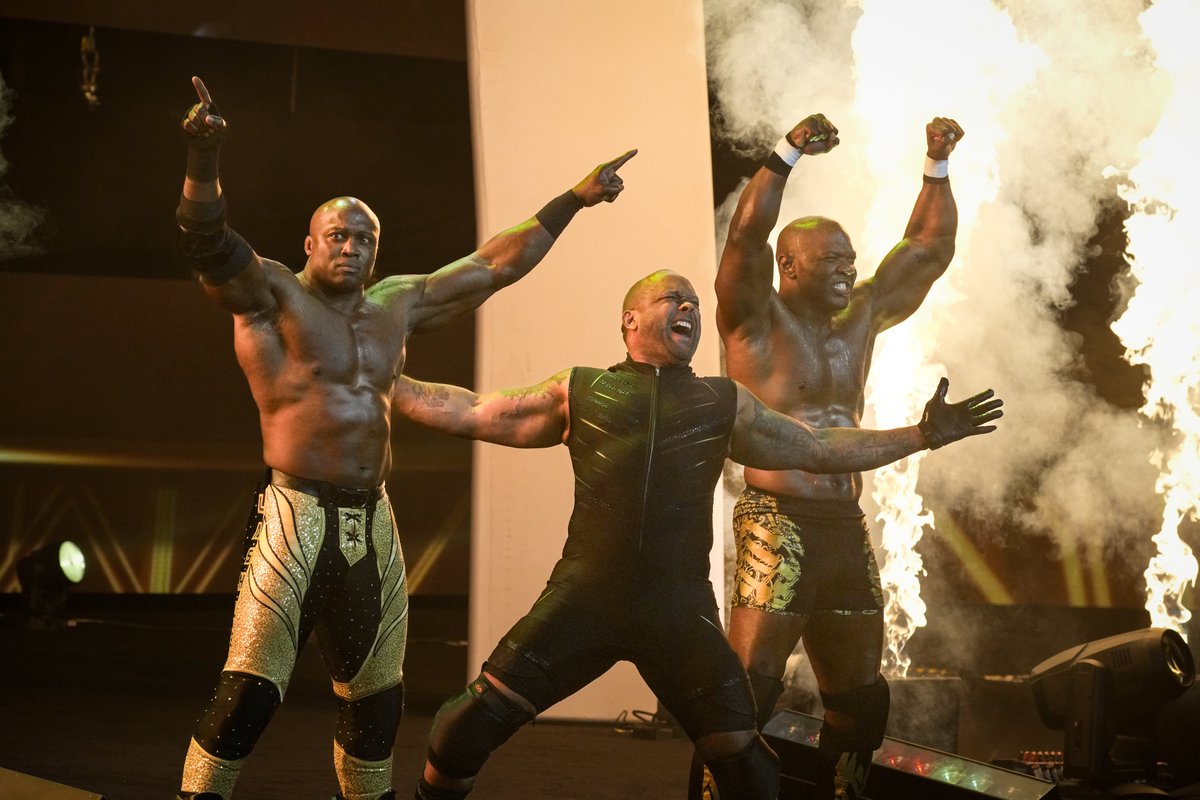
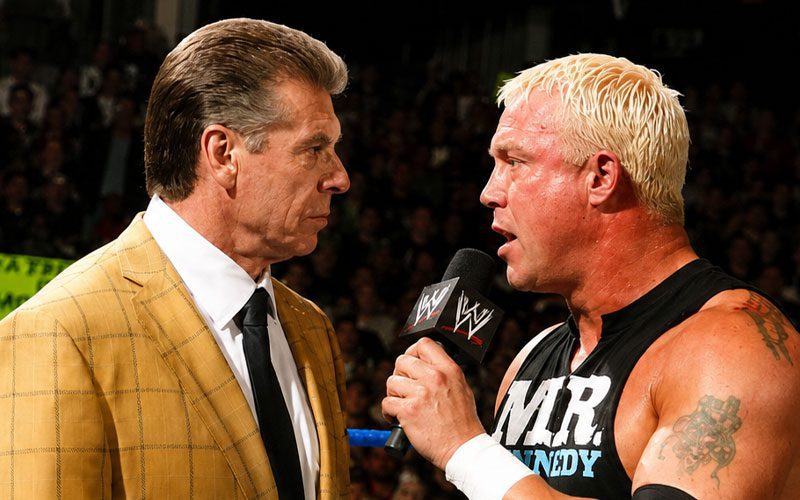
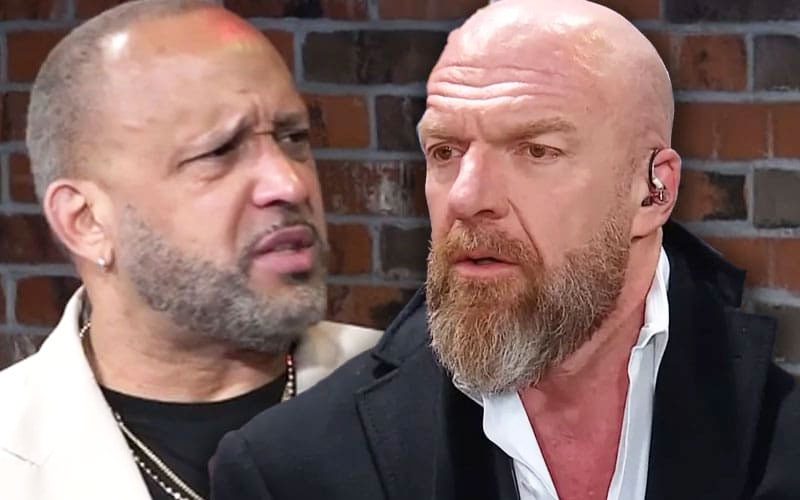
We spent decades watching Vince McMahon turn sports entertainment into a global juggernaut, but the stories coming out of the locker room often reveal a man living in his own time zone. MVP recently opened up about his early days in the company, highlighting just how disconnected the higher-ups were from actual street vernacular. He literally had to sit down and define the term baller for the boss. Imagine having that conversation in 2006.
You are pitching a character defined by a specific swagger, a guy who actually lived the life he was portraying, and you reach a dead end because the CEO does not know what being a baller means. It sounds like a bad skit from a sitcom, yet it happened in the corporate offices of Titan Tower. It is the ultimate testament to why some characters in that era felt like they were written by people who thought hip-hop started and ended with Vanilla Ice.
I had to explain to Vince what a baller was.
MVP was not just some guy coming off the independent circuit; he was a guy with a legitimate edge and a persona that translated perfectly to the screen. He brought a sense of legitimacy that the 2006 era of WWE desperately needed while they were still trying to figure out how to bridge the gap between their traditional wrestling archetypes and the 21st-century audience. Instead of just letting him run with it, he had to provide a linguistic primer for the man signing the checks.
The absurdity of the creative filter
This incident is not just a funny anecdote for a podcast. It is a terrifying glimpse into the creative filter that strangled so many great performers during the mid-2000s. If you have to spend your backstage time lecturing your employer on the nuances of contemporary culture rather than rehearsing a promo or perfecting your execution of the Playmaker, your creative energy is being wasted. This is why certain guys felt like carbon copies of outdated tropes.
Think about the absurdity. You are trying to sell a character defined by luxury and confidence, but his primary hurdle is a vocabulary quiz. MVP eventually made it work because the man had enough charisma to overcome the barrier of someone else's ignorance. He became a staple of the SmackDown brand, putting on solid bouts against Chris Benoit and making the United States Title feel important for a hot minute. However, you wonder how much higher the ceiling could have been without that administrative friction.
Why we still love the era anyway
We make fun of these stories, but we keep coming back because the friction actually produced some of the most memorable character work in history. Because there were hoops to jump through, guys like MVP had to work twice as hard to get their point across, and that intensity ended up manifesting in the ring. It resulted in a specific intensity that felt like a rebellion against the stuffy, corporate mandates imposed from above.
Of course, this era also had its share of disasters. We are talking about the same period that gave us some of the most questionable booking decisions in company history, a time when the reliance on singular perspectives meant that if Vince did not like your flavor, you were effectively dead in the water. It was a regime that demanded total conformity to a vision that existed entirely inside the boss's head. When they allowed individuals like MVP to actually speak their own language, the product flourished.
The current day, by contrast, feels like a different universe. We are looking toward WrestleMania 41, and while the corporate structure is still massive, the barrier to entry for a character's authenticity feels lower. You are not seeing guys forced to explain the definition of their own lifestyle choices just to make it onto the mid-card. That shift is probably why the buzz around the current product is so much higher than it was during that mid-2000s disconnect.
The fact that MVP had to go through that process says everything about the growing pains of the industry. It was a bizarre, high-stakes game of telephone where the people playing the characters were constantly fighting the people writing them. Still, we got a legendary run out of MVP because he refused to get watered down. He walked into that office as a baller and forced the company to get on his level, even if it took a, let's call it, 15-minute lecture on the history of the term to get the point across.
Looking back at the tape, you can see exactly where that frustration fueled his promos. He was not just playing a character; he was fighting to keep his own identity intact in a writing room that wanted to process him through a grinder. It makes you appreciate his tenure even more. Most guys would have folded, taken the script, and turned into a generic villain of the week, but he stayed authentic. He kept the swag, he kept the edge, and he made sure that when he walked down the ramp, everyone knew exactly what being a baller actually meant, regardless of the boss's confusion.