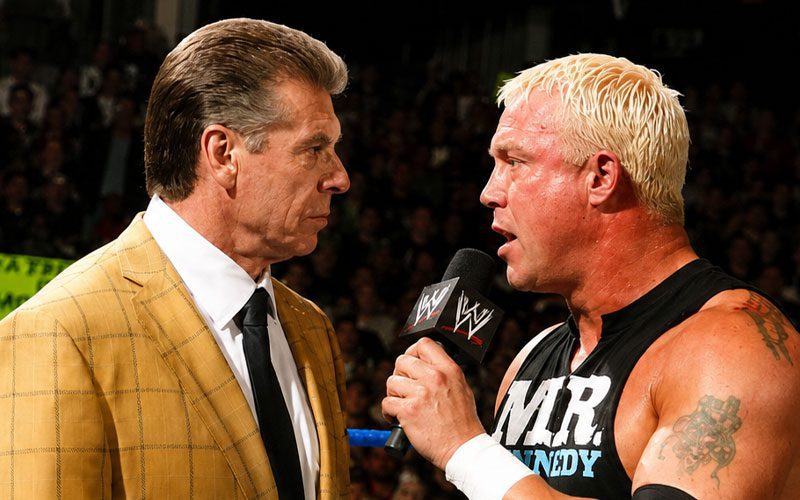
The Vince McMahon memo heard 'round the world
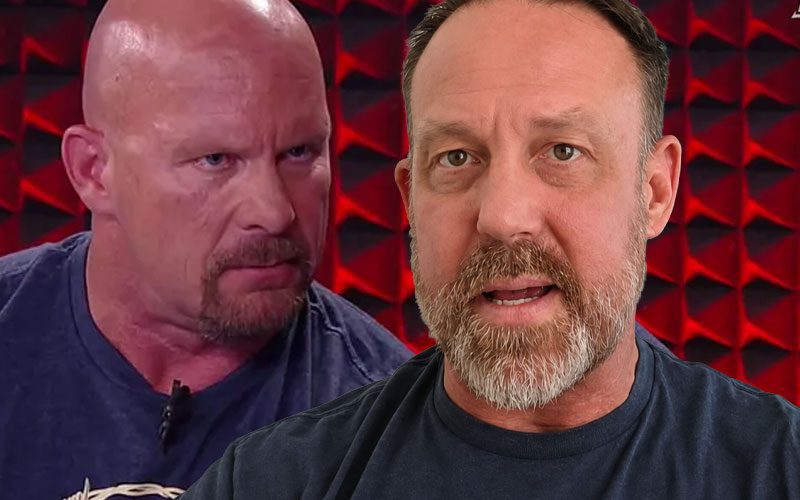
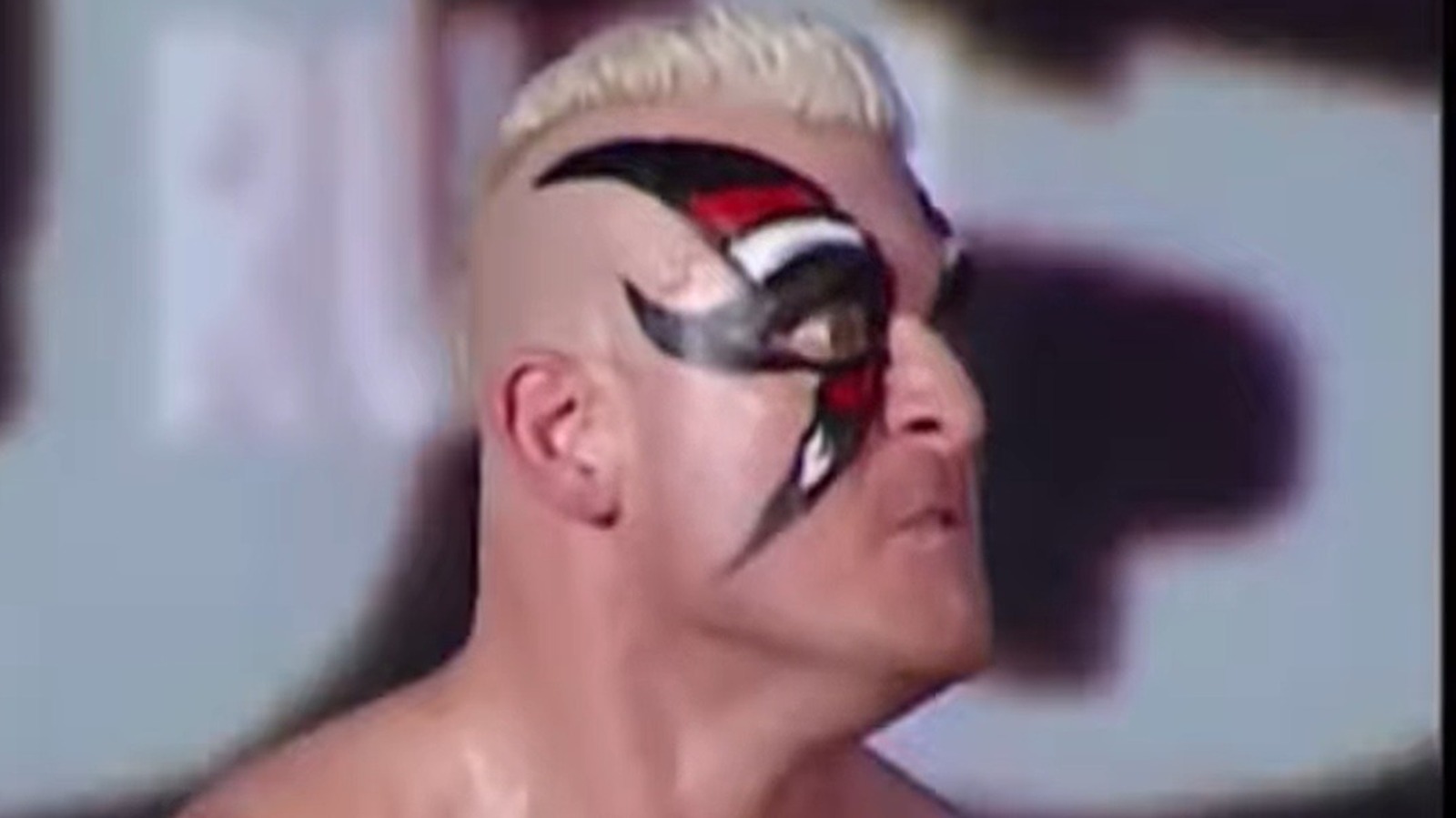
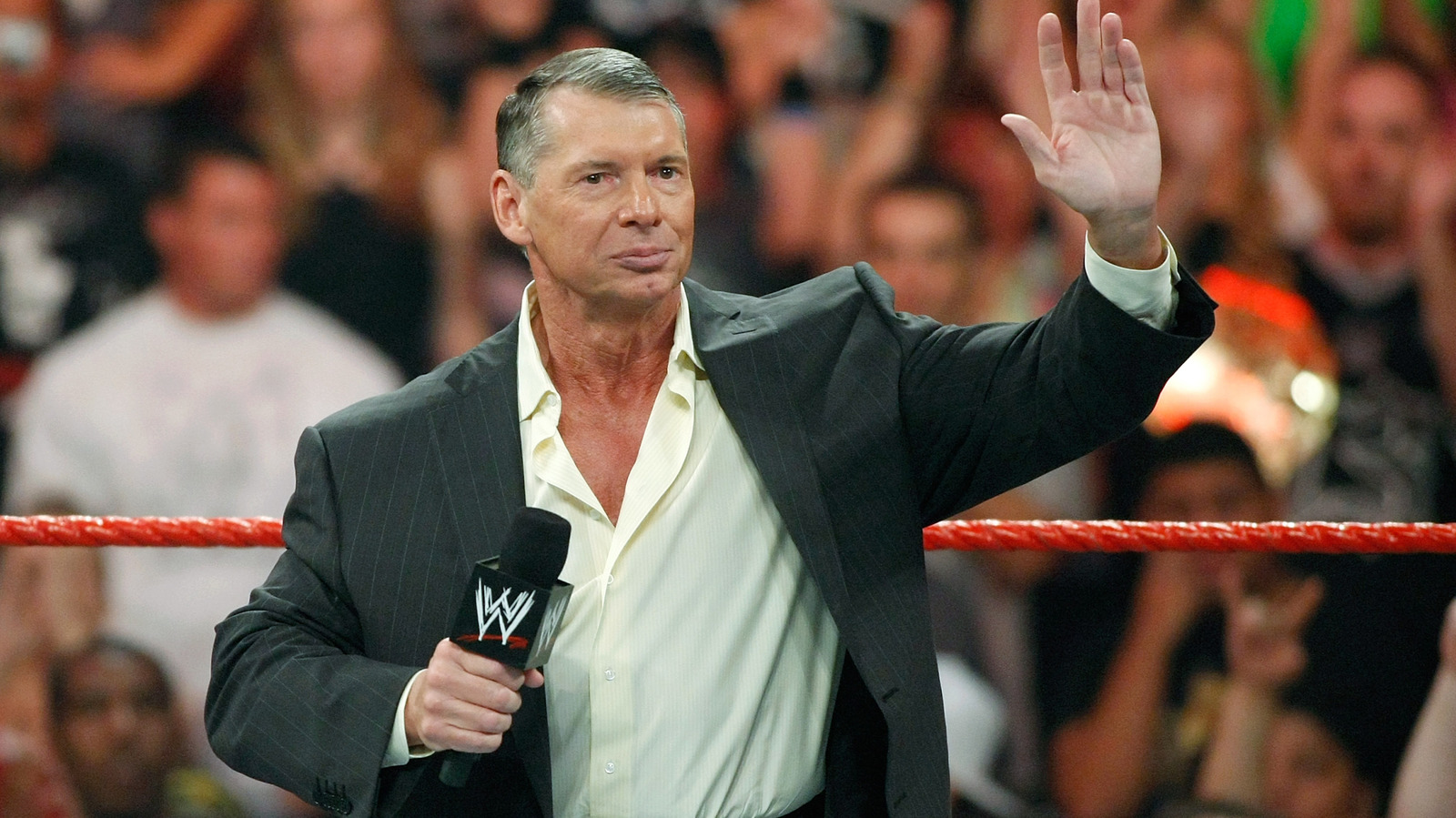
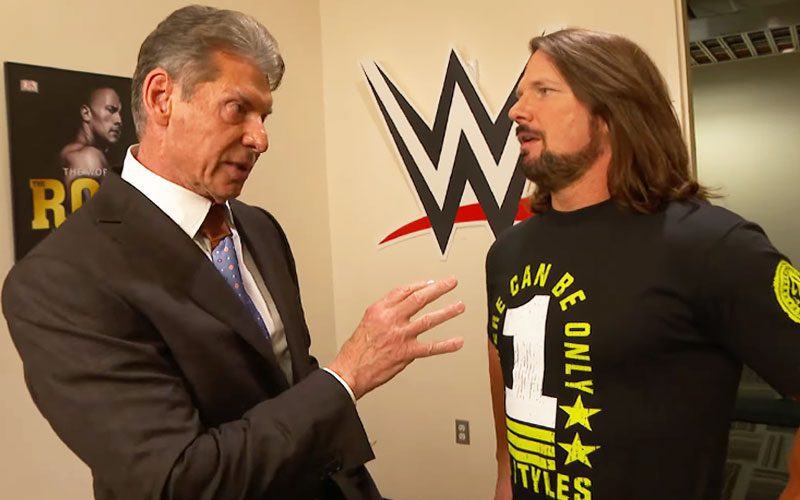
Ken Anderson—better known to the masses as Mr. Kennedy—recently spilled the beans on why his WWE run hit a wall. He claims the big man himself, Vince McMahon, actually pulled him aside to tell him to tone down the charisma. Apparently, being the most entertaining guy on the roster was an issue because he wasn't top-billing talent.
It sounds like creative insanity. In any other sport, you reward the guy who sells jerseys and gets the crowd chanting his name. In the WWE machine, if you outshine the scripted narrative, you’re suddenly the problem. This revelation has the forums buzzing, and it’s pulling back the curtain on how fragile the booking process really is.
The front-row reaction
The community is split right down the middle, as usual. You’ve got the old-school purists who think Anderson was blowing his spot by not following the script. Then, you’ve got the people who realize this is exactly why shows feel like a slog sometimes. These aren't just random gripes; fans are looking at the recent Mr. Anderson comments as a case study in failed management.
One user on a popular wrestling sub noted that having a guy who could work the mic like prime Rock or Austin but benching him for being too loud is the ultimate booking self-sabotage. Another fan argued that in 2026, we value authenticity way more than those mid-2000s locker room politics. It’s a recurring theme in wrestling history—talented guys get kneecapped because they didn't know how to play the corporate game.
Why the skepticism persists
Let’s be real for a second: some of these stories about Vince usually need a sanity check. While the Mr. Kennedy story feels on-brand for a guy who once famously told a wrestler to stop smiling, we have to remember the context of that era. WWE was a fortress of ego back then, and if your ego didn't shrink to accommodate the creative lead, you were toast.
My take? Anderson was right to be pissed, but it’s a classic misread of the room. He was trying to be a star in a company that preferred a roster of well-behaved employees over genuine showmen. It highlights the recurring issue where talent is suppressed to satisfy the vision of one man. It’s why we see so much turnover in the industry lately—nobody wants to be told their performance is too good for the show.
The fallout of bad management
Looking at the modern landscape, you can see how this attitude shaped the way current promotions handle mic time. There’s a constant tug-of-war between 'following orders' and 'getting over.' If a guy like Kennedy was told he’s too entertaining, imagine how many other potential icons have been stifled in the rehearsal room before they even stepped into the ring.
We talk a lot about ring psychology and technical ability, but the promo is what turns a match into a main event. When you prioritize a flat delivery to maintain continuity, you kill the excitement instantly. If the product sounds scripted, the fans check out. It’s the difference between a high-stakes title fight at the 15-minute mark and a boring, repetitive exchange.
The takeaway here isn't just about Anderson; it's about the inherent weakness in a system that fears its own stars. Wrestling is at its best when the personality is allowed to bleed into the character. Keeping your head down might get you a spot on the card, but it doesn't get you a permanent place in the canon of great performers. 5 stars or not, if the audience isn't hooked by your voice, you're just another body taking bumps.